

More news on this day
Travel enthusiasts are increasingly setting sail from US ports, with industry data showing demand for cruises climbing and Carnival Corporation highlighting higher prices and record bookings as it leans harder into premium and luxury experiences across its portfolio.
Get the latest news straight to your inbox!
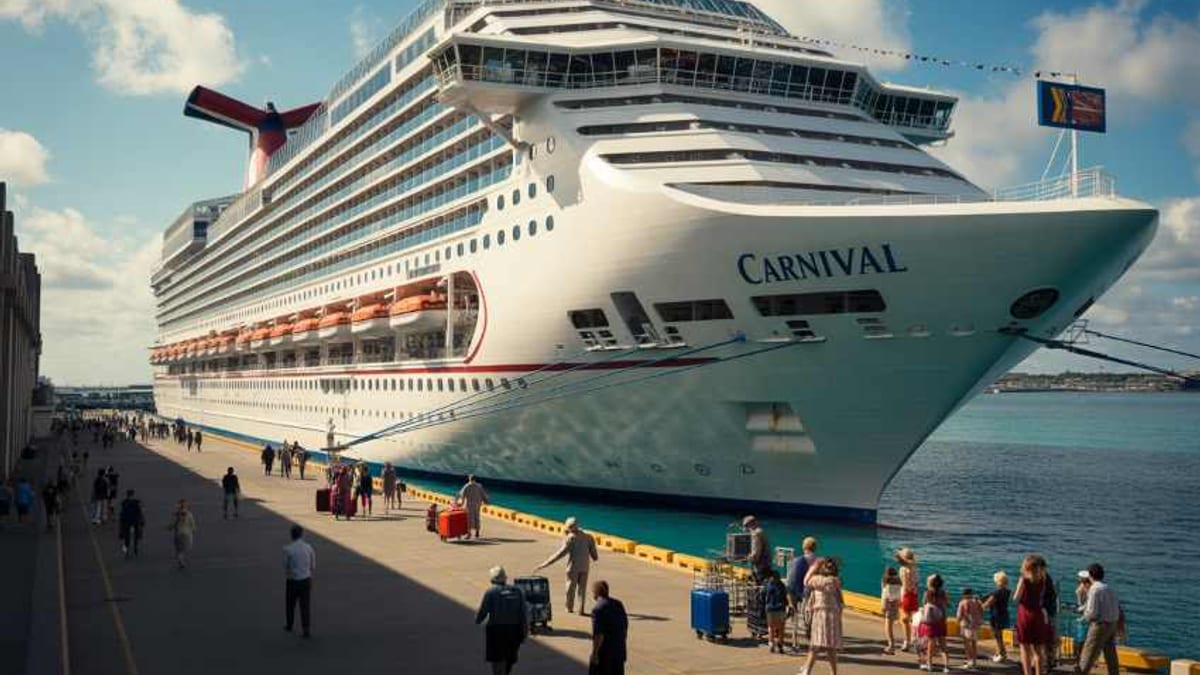
Image by International Cruise News: Latest Cruise Line & Cruise Ship News
US Cruise Demand Surges From Major Homeports
Publicly available financial filings and earnings materials from Carnival Corporation indicate that demand for cruise vacations tied to the US market has strengthened, with ticket revenue rising on the back of higher pricing and fuller ships. Recent disclosures point to continued momentum through the 2025 and 2026 seasons, as travelers prioritize experiences and resort-style breaks at sea over other discretionary spending.
Industry overviews tracking Carnival’s brands describe a broad presence in core US-driven itineraries, including short breaks to the Bahamas and Caribbean, weeklong sailings to Mexico and seasonal routes to Alaska and Canada. Analysts note that this network effect, combined with a wide spread of price points, has helped draw in a mix of first-time cruisers and repeat guests who might previously have opted for land-based resorts.
Commentary in market research and financial analysis platforms suggests that cruise prices have risen meaningfully from pre-pandemic levels, yet bookings remain robust. Reports describe consumers accepting higher fares in exchange for newer hardware, upgraded onboard amenities and more immersive itineraries, reinforcing the perception of cruises as a bundled, good-value way to access multiple destinations in a single trip.
Social media discussion and user forums focused on US cruise deals also point to strong forward booking patterns, with travelers reporting fuller ships farther in advance and fewer last-minute discounts than in previous years. These observations align with corporate guidance highlighting stronger so-called wave season performance and solid demand across North American brands.
Carnival’s Multi-Brand Push Into Premium And Luxury
While the Carnival Cruise Line brand is widely associated with fun-focused, mass-market voyages from US ports, corporate materials underscore that Carnival Corporation’s broader portfolio spans the full spectrum from mainstream to ultra-luxury. According to company reports and independent explainers, Princess Cruises and Holland America Line sit in the premium segment, while Cunard Line and Seabourn anchor the luxury and ultra-luxury tiers.
Analyses of Carnival’s marketing mix describe a clear tiered strategy. Carnival Cruise Line continues to attract price-sensitive guests with shorter, competitively priced itineraries, while premium and luxury brands command higher fares in return for smaller ships, elevated dining, refined design and more personalized service. Typical voyages on Cunard and Seabourn are cited in travel and business coverage as commanding multiples of mainstream pricing, underscoring the group’s focus on higher-yield segments.
Recent cruise industry reporting highlights Seabourn’s role as Carnival’s ultra-luxury resort at sea concept, featuring all-suite accommodations, inclusive gourmet dining and itineraries that reach smaller, less-trafficked ports. Coverage of Seabourn’s expedition vessels emphasizes enhanced onboard facilities, including advanced medical capabilities designed to support remote itineraries such as Antarctica, positioning the brand at the top end of the market.
Cunard continues to be profiled by travel media as a symbol of classic ocean-going luxury, with transatlantic crossings, black-tie events and longer world and grand voyages. The line has also been adding more contemporary touches to appeal to a broader demographic, while retaining the heritage that differentiates it from mainstream offerings sailing from US ports.
New Ships, Upgraded Experiences And US Appeal
Beyond its luxury-focused brands, Carnival Corporation has invested in newer, larger and more amenity-rich ships that sail regularly from US homeports. Industry coverage notes that recent additions for Carnival Cruise Line, including vessels in its Excel class, introduced features such as expansive waterparks, themed bars and specialty dining created in partnership with celebrity chefs, aiming to deliver a more premium feel even on mainstream itineraries.
Princess Cruises is also in the spotlight with the upcoming Star Princess, a new-generation ship under the Carnival umbrella described in public information as bringing enhanced entertainment venues, more balcony cabins and updated suite accommodations. Travel press reports suggest the vessel is intended to strengthen Princess’s identity as a premium brand that blends resort-style comfort with destination-focused itineraries, including those appealing strongly to US travelers.
Corporate fleet lists show Carnival Corporation maintaining one of the largest global cruise fleets, with a steady cadence of ship introductions and retirements to keep capacity aligned with demand. Analysts point out that adding newer ships with energy-efficient designs and high-yield features, such as additional suites and specialty venues, is central to the group’s strategy of lifting onboard spending and attracting guests willing to pay extra for upgraded experiences.
At the luxury end, fleet developments include transitions within the Seabourn portfolio and Cunard’s expansion with newer tonnage. These moves are framed in industry commentary as part of a broader effort to refresh older hardware while sustaining the high service levels and curated itineraries that affluent US and international travelers increasingly expect.
Wave Season Data Shows Travelers Trading Up
Reports summarizing recent wave seasons, the key booking window that typically runs from early January through March, indicate that Carnival Corporation has seen strong volumes at higher prices, with bookings for future years outpacing capacity growth. Company earnings releases describe record or near-record net income in recent quarters, attributing performance in part to robust advance reservations for sailings well into 2026 and beyond.
Independent financial commentary on those results notes that both North American and European brands within the group have reached historically high pricing levels, yet still achieved high occupancy. Observers say this combination suggests that travelers are willing to trade up to better cabins and more inclusive packages, effectively pushing more guests into premium and luxury products while still filling mainstream ships.
Cruise community discussions tracking deal volume support the picture of a market that has tightened compared with earlier in the decade. Enthusiasts report that sale events tend to focus on value-added perks, such as onboard credit or bundled drinks and Wi-Fi, rather than aggressive fare cuts, especially on peak US departures and newer ships.
For travelers, the implication is a shift in perception. Instead of chasing the absolute lowest price, many cruise fans appear to be seeking the highest overall experience level they can afford. That trend works in favor of Carnival’s ongoing investment in differentiated luxury and premium brands that can command higher yields while still sailing from convenient US gateways.
Competition Heats Up As Luxury At Sea Evolves
The intensifying focus on luxury and premium cruising by Carnival comes amid broader competition across the global cruise sector. Publicly available information on rival operators shows a pipeline of new ships arriving through the middle of the decade, many aimed squarely at affluent travelers with features such as expanded suite enclaves, members-only lounges and enhanced wellness facilities.
Cruise news outlets have reported that Carnival Corporation showcased all eight of its active brands at major trade fairs, positioning itself as a one-stop portfolio for everything from entry-level fun ships to world cruises and ultra-luxury expeditions. Exhibitions built around themes of global cruising and innovation seek to reinforce the idea that the company can serve a wide range of travel styles while elevating service and design standards.
Market analysis suggests that this positioning matters especially in the United States, where cruise homeports in Florida, Texas and along the West Coast compete fiercely for vacationers who might otherwise choose international city breaks or all-inclusive resorts. By emphasizing elevated dining, curated shore excursions and enhanced suite products, Carnival and its rivals are effectively reframing cruises as floating luxury hotels that deliver multiple destinations in one trip.
As more ships arrive and consumers continue to favor experiences over goods, industry observers expect the battle for the high end of the cruise market to intensify. For now, evidence from bookings, pricing and new-ship investments suggests that travel enthusiasts are responding, increasingly viewing US-based cruises not just as a budget-friendly getaway, but as a path into a more luxurious style of voyage at sea.