

Pennsylvania stretches from ocean-bound cities in the east to rugged Appalachian ridges and river valleys in the west, and experiencing it by both car and rail gives travelers a rare mix of convenience, scenery and history. Whether you are driving the length of the Pennsylvania Turnpike, riding Amtrak’s Keystone trains through farm country, or combining both modes for a flexible itinerary, knowing what to expect will help you make the most of the journey.
Understanding Pennsylvania’s Main Travel Corridors
Most long-distance trips across Pennsylvania follow one of a few major east west corridors. For drivers, the backbone is the Pennsylvania Turnpike, which carries traffic between the Ohio border and the greater Philadelphia region, with spurs north and south. Parallel free interstates such as I 80 and I 84 provide alternatives further north, while U.S. routes like 22 and 30 knit together smaller towns and scenic valleys. On the rails, Amtrak’s Pennsylvanian and Keystone Service form the primary passenger routes, connecting Pittsburgh, Harrisburg, Philadelphia and New York on a corridor often referred to as the Keystone Corridor.
Travel times are shaped as much by terrain as by distance. The Appalachian ridges that cross the state require long climbs, tunnels and winding sections on both highway and railroad, and weather can compound delays, especially in winter. That said, for visitors used to dense urban congestion, much of interior Pennsylvania can feel surprisingly open. As you plan, assume that cross state trips from Pittsburgh to Philadelphia will take most of the day whether you drive or ride, and build in extra time for weather, construction and connections.
Where you start and end matters. Trips focused on Philadelphia, the Lehigh Valley and New York lean naturally toward rail and urban transit, while journeys centered on Pittsburgh, Erie or the Laurel Highlands are often easier by car. Many travelers settle on a hybrid approach, arriving by train, renting a car for a few days of exploring, then returning to rail for the longer leg home.
Driving Across Pennsylvania: Roads, Tolls and Terrain
Driving across Pennsylvania is straightforward, but it is not free. The Pennsylvania Turnpike uses all electronic tolling, with higher rates for drivers billed by license plate and significant discounts for those using E ZPass. As of early 2026, a passenger vehicle traveling the mainline between the western and eastern barriers pays a substantial toll, and costs continue to increase gradually over time. Shorter segments cost less, but for budget conscious travelers, it can be worth comparing the turnpike to toll free options such as I 80, which crosses the state further north with no tolls but fewer services and more truck traffic.
The experience behind the wheel changes as you move across the state. In the east, around Philadelphia and its suburbs, expect multi lane traffic, dense interchanges and commuter congestion, especially at rush hour on I 76, I 95 and U.S. 1. Central Pennsylvania transitions to rolling farm fields and river valleys, with long grades and the occasional steep descent. Western Pennsylvania closes with complex interchanges and bridges around Pittsburgh. The turnpike in particular includes long stretches between exits, several tunnels through the mountains, and areas where speeds are reduced for curves or construction.
The Breezewood area, long infamous among road trippers for requiring traffic on I 70 to leave the freeway and pass through a commercial strip before rejoining the Turnpike, is expected to be reconfigured in coming years, with plans advancing for a direct connection. For now, though, drivers should still be prepared for sudden congestion, traffic lights and a cluster of service businesses there. Elsewhere along the route, services can be spaced out, so it is wise to refuel before your tank gets truly low, particularly at night or in winter.
Navigation tools work well across most of the state, but mobile data can become spotty in deep valleys and lightly populated areas. Carrying an offline map or written directions for key segments is prudent. Speed limits are generally 70 miles per hour on rural interstates and the Turnpike, dropping near cities and in construction zones, where enforcement can be strict.
Rail Options: Keystone Service and the Pennsylvanian
For travelers who prefer to avoid long drives, Pennsylvania’s Amtrak services offer a comfortable alternative. The Keystone Service operates frequent daily trains between Harrisburg and Philadelphia, with many departures continuing to New York. The route runs along an upgraded electrified corridor with top speeds above typical U.S. passenger lines, keeping journey times between Philadelphia and Harrisburg to roughly an hour and three quarters under normal conditions. Trains serve intermediate communities such as Lancaster and Paoli, making the line especially useful for visitors headed to Amish country or Philadelphia’s western suburbs.
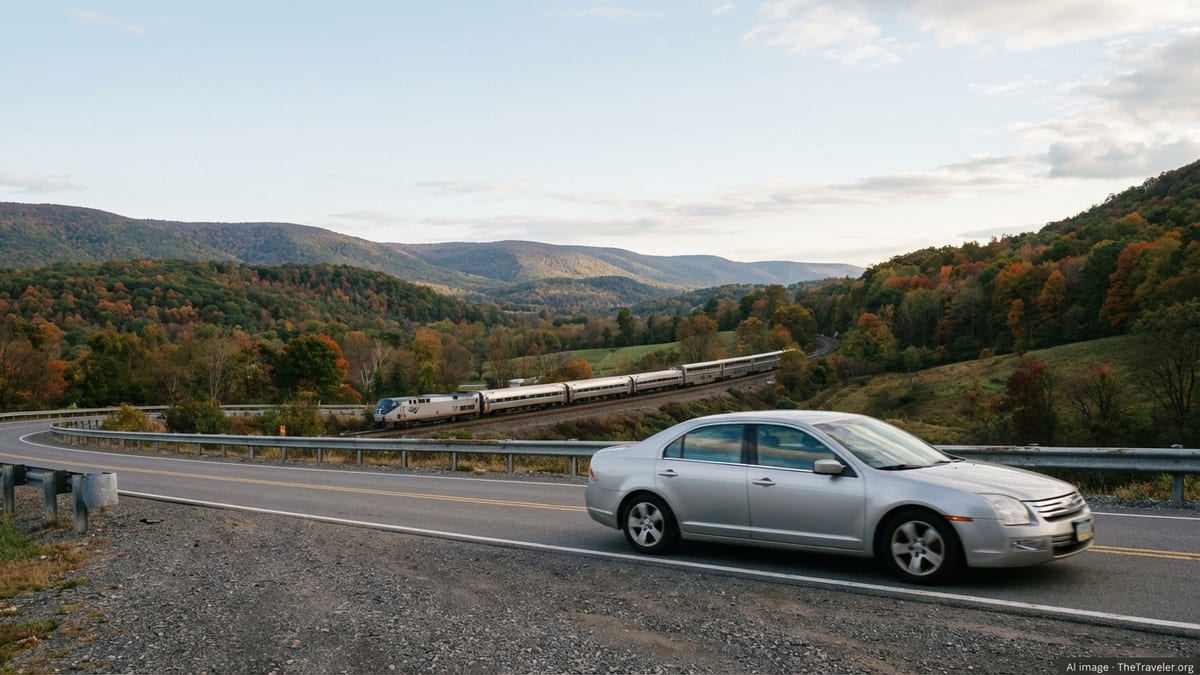
Further west, the Pennsylvanian provides a daily daytime connection between Pittsburgh and New York via Harrisburg and Philadelphia. The full journey between Pittsburgh and Philadelphia typically takes in the range of seven to nine hours depending on schedules and conditions, including a dramatic crossing of the Allegheny Mountains and a famous curve above Altoona that rail enthusiasts prize for its sweeping views. While the frequency is limited to one train in each direction per day, the timing works well for a relaxed daytime crossing of the state, with Wi Fi, power outlets and café service available on board.
Both services use reserved seating models, and fares fluctuate based on demand and how early you book. PennDOT’s partnership with Amtrak has gradually restored and expanded Keystone frequencies after several years of construction and schedule adjustments, and recent improvements on the Harrisburg Line have aimed to smooth out delays. Even so, travelers should build in some buffer when making tight connections to long distance trains or flights, since freight traffic, weather and maintenance can still cause slow orders and occasional lateness.
Compared with driving, rail fares are often competitive for solo travelers and couples, especially when you consider tolls, fuel and urban parking. Families may find that the cost of several rail tickets equals or exceeds driving costs, but they benefit from the ability to move around, entertain children and avoid driver fatigue. For environmentally minded visitors, rail travel is generally among the lowest impact options available for crossing the state.
Seasonal Conditions, Weather and Safety
Pennsylvania’s climate plays a major role in what your trip by car or rail will feel like. Winters can be harsh, especially across the higher elevations of central and northern Pennsylvania. Lake effect snow occasionally sweeps across the I 80 corridor and the Laurel Highlands, while ice storms and heavy wet snow have prompted state agencies in recent seasons to issue frequent advisories and, at times, temporary vehicle restrictions on major highways and the Turnpike. Drivers should be ready for quickly changing conditions, including slick bridges, reduced visibility in snow squalls and black ice on shaded curves.
In response, PennDOT and the Turnpike Commission regularly lower speed limits, restrict certain vehicle types and urge drivers to postpone non essential travel during significant winter events. It is common to see tiered restriction notices that limit empty tractor trailers, buses and other vulnerable vehicles during storms. Even outside of extreme events, winter travel calls for carrying warm clothing, extra food and water, a phone charger and, ideally, a basic emergency kit with a flashlight and scraper. Rest areas and service plazas can fill up quickly during storms, so topping off fuel before entering less populated stretches is wise.
Rail travelers are not immune to weather issues, but the experience is different. Heavy snow or ice can lead to slower running times or even service suspensions if conditions are severe, particularly where power lines or track switches are affected. However, passengers remain indoors and can continue working or relaxing while crews manage the weather impacts. Summer brings its own considerations, including thunderstorms and localized flooding, which can affect both highways and rail lines, especially in river valleys.
In urban centers, safety considerations are similar to those in other large U.S. cities. Parking garages around major stations such as Philadelphia’s 30th Street or Pittsburgh’s downtown terminals are generally well used and monitored, but you should avoid leaving valuables in view. At stations and on trains, normal precautions apply: keep bags close, be aware of your surroundings and follow staff instructions when boarding or finding seats.
Navigating Major Cities: Philadelphia, Pittsburgh and Beyond
Most cross state travelers touch one or both of Pennsylvania’s largest cities. In Philadelphia, the primary rail gateway is 30th Street Station, a historic hub a short walk or transit ride from Center City. Drivers entering the region from the Turnpike typically continue on I 76, often encountering congestion where the highway threads between the Schuylkill River and dense neighborhoods. Once in the city, narrow streets and limited parking can challenge visitors. Choosing a garage or hotel parking package and then relying on local transit, walking or rideshare for intra city movement can save stress.
Philadelphia’s transit agency, SEPTA, operates extensive regional rail, subway, trolley and bus networks. Recent years have seen ridership climbing back toward pre pandemic levels, but also financial strain that has driven fare adjustments and service changes. Before you rely on a specific late night train or outlying regional rail line, check the latest schedules, since some routes have reduced frequencies, earlier shutdowns or planned cuts as agencies adjust to funding realities. Daytime service on core lines remains robust, making it practical to arrive by intercity rail and transfer to local trains or buses for suburbs like Ardmore, Media or Doylestown.
At the western end of the state, Pittsburgh has transformed itself from a steel town to a greener, more visitor friendly city, but its topography creates a very different driving and transit experience. Interstates converge over rivers and through tunnels, with quick transitions between bright daylight and low visibility tunnel interiors. First time visitors often find exits come up quickly after bridges or tunnel mouths, so slowing slightly and staying in the appropriate lane well ahead of your turn is important. Downtown parking is more plentiful than in Philadelphia but can still be expensive during events.
Pittsburgh Regional Transit operates busways, light rail and buses across the metropolitan area, providing useful options for travelers who prefer to leave the car parked once they arrive. However, like many agencies nationwide, it faces budget pressures that may lead to incremental fare increases or service adjustments. In practice, that means you should confirm hours and frequencies for the specific route or light rail line you intend to use, particularly late at night or on weekends, and be ready with a backup option such as rideshare or walking if headways lengthen.
Scenic Highlights and Cultural Stops Along the Way
One of the advantages of traveling across Pennsylvania by car or rail is the variety of landscapes you encounter in a single day. Drivers on the Turnpike and parallel routes weave through forested ridges, cross wide river valleys and skim the edges of small towns anchored by Victorian courthouses and brick main streets. Rail travelers enjoy long, elevated viewpoints as trains climb toward the Alleghenies, pass through farmland in Lancaster County and follow the Susquehanna River past old canal traces and rusting industrial relics.
If you are behind the wheel, it is worth planning one or two longer stops along your route rather than a series of short, rushed breaks. Near Harrisburg, the state capitol complex and riverfront parks offer an easy leg stretch close to the highway. Around Lancaster, detours on smaller roads reveal covered bridges, produce stands and Amish farms, though visitors should always respect local residents’ privacy and avoid photographing people without permission. Further west, towns like Altoona and Johnstown highlight the state’s industrial and rail heritage, with museums and lookouts that interpret how the region’s geography shaped its economic history.
For rail passengers, flexibility is more limited, but you can still craft a scenic itinerary. The Keystone Service allows you to disembark in Lancaster for an overnight in the historic downtown before continuing to or from Philadelphia or New York. On the Pennsylvanian, daylight hours mean you are awake for mountain views and river crossings that many overnight long distance trains traverse in the dark. Carrying a simple paper timetable or route guide helps you anticipate upcoming highlights so you are not caught off guard when a famous curve or viaduct appears outside your window.
Culturally, Pennsylvania’s regions feel distinct. Eastern cities lean toward dense, walkable historic cores, from Philadelphia’s colonial streets to Bethlehem’s former steelworks, now repurposed as arts venues. Central Pennsylvania mixes college towns, state offices and rural communities with strong agricultural roots. Western Pennsylvania layers ethnic neighborhoods, revitalized riverfronts and a growing arts scene over the remnants of coal and steel. Experiencing these contrasts is easier when you combine modes, using rail for the long haul and a car or local transit for short explorations.
Costs, Tickets and Practical Planning Tips
Budgeting a cross Pennsylvania journey starts with understanding the main cost drivers for both driving and rail. For motorists, the largest line items are fuel, tolls and parking. Fuel prices fluctuate, but you can roughly estimate costs based on your vehicle’s mileage and the approximately 300 plus miles between Pittsburgh and Philadelphia. The Turnpike’s all electronic toll system means you will not encounter traditional booths, but you will receive a bill by mail if you do not use E ZPass. Travelers making only a single trip may balk at signing up for a dedicated toll transponder, but in practice the discounts can be significant enough to pay off even during a short visit, especially if you expect to cross multiple tolled facilities near state borders.
On the rail side, flexibility and early planning are your best tools for holding down fares. Amtrak typically uses a tiered pricing structure in which lower buckets sell out first, so booking weeks in advance often yields better prices than waiting until just before departure, particularly on peak days such as Fridays and Sundays. Keystone Service tickets between Philadelphia and Harrisburg tend to be relatively affordable by U.S. intercity rail standards, while Pennsylvanian tickets for the full Pittsburgh to New York run can be higher but still compare favorably with the combined cost of fuel, tolls and big city parking over several days.
Seat reservations and ticketing are handled electronically, and you can board with a barcode on your phone or a printed ticket. If you are combining trains, look for through itineraries that keep all legs on a single reservation so you have better protection in the event of delays. Travelers connecting to regional rail or local buses should budget additional time for learning fare systems, which can involve reloadable smart cards, mobile tickets or exact change depending on the agency.
Regardless of mode, packing with Pennsylvania’s variability in mind pays dividends. Layers are essential for transitions between air conditioned trains, windy station platforms and humid summer streets. In winter, waterproof footwear and a warm outer layer can turn a challenging transfer into a manageable one. Power banks, snacks and water are valuable even on relatively short segments, since service disruptions or traffic backups can quickly add an extra hour or two to your journey.
The Takeaway
Traveling across Pennsylvania by car and rail is less about racing from point A to point B and more about moving through a layered landscape at a human scale. Highways such as the Turnpike and interstates provide speed and flexibility, but they intersect with weather, tolls and mountain topography that reward patient, attentive driving. Rail services offer a calmer alternative, particularly along the Keystone Corridor, where frequent trains and comfortable cars make it easy to work, read or simply watch the scenery slide by.
The best experiences often come from blending the two. Arrive by train to avoid the stress of long highway stretches, pick up a car or lean on local transit to explore historic towns and parks, then return to rail when you are ready to cross the state again. With realistic expectations about costs, schedules and seasonal conditions, and a willingness to build in some slack for surprises, you can turn what might otherwise be a long slog on the map into a memorable journey through one of the most varied states in the Northeast.
FAQ
Q1. How long does it take to travel between Pittsburgh and Philadelphia by car?
Under normal conditions, driving between Pittsburgh and Philadelphia typically takes about five to six hours, though traffic, construction and weather can lengthen the trip.
Q2. How long is the train ride between Pittsburgh and Philadelphia?
Amtrak’s Pennsylvanian usually covers the distance between Pittsburgh and Philadelphia in roughly seven to nine hours, depending on the timetable and operating conditions.
Q3. Is it cheaper to drive or take the train across Pennsylvania?
For solo travelers and couples, rail can be cost competitive once you factor in fuel, tolls and city parking, while families often find driving more economical overall.
Q4. Do I need E ZPass to drive the Pennsylvania Turnpike?
You do not need E ZPass to use the Turnpike, but drivers without it pay higher tolls via mailed bills, so frequent or long distance users often benefit from getting a transponder.
Q5. How reliable are trains in Pennsylvania during winter?
Keystone and Pennsylvanian trains generally run through winter, but heavy snow and ice can cause delays or occasional cancellations, so it is wise to monitor alerts before travel.
Q6. Is it safe to drive across Pennsylvania at night?
Night driving is common and generally safe on major highways, but you should watch for wildlife, reduced visibility in rural areas and fatigue on long stretches between towns.
Q7. Can I easily connect from Amtrak to local transit in Philadelphia and Pittsburgh?
Yes. In Philadelphia, 30th Street Station links to subways, trolleys and buses, while in Pittsburgh downtown stations are within walking distance of buses and light rail lines.
Q8. Are there scenic views from the train across Pennsylvania?
Yes. The Pennsylvanian offers notable views of the Allegheny Mountains and river valleys, while the Keystone Service passes through Lancaster’s farmland and along the Susquehanna.
Q9. What is the best time of year to travel across Pennsylvania by car?
Late spring and early fall often offer the most pleasant driving, with moderate temperatures and, in autumn, colorful foliage, though weather can be changeable at any time.
Q10. Do I need to reserve train tickets in advance?
Advance reservations are strongly recommended, especially for weekends and holidays, both to secure a seat and to access lower fare levels before cheaper buckets sell out.