

Zambia is often described as one of Africa’s most underrated destinations. Home to Victoria Falls, legendary walking safaris and a friendly, laid back culture, it attracts everyone from overlanders and backpackers to high-end safari guests.
Yet planning a trip here still raises practical questions about visas, safety, health and how to move around a vast, mostly rural country. With major changes to Zambia’s visa regime taking effect in 2025 and shifting global travel conditions, it is worth looking carefully at the latest rules and realities before you book.
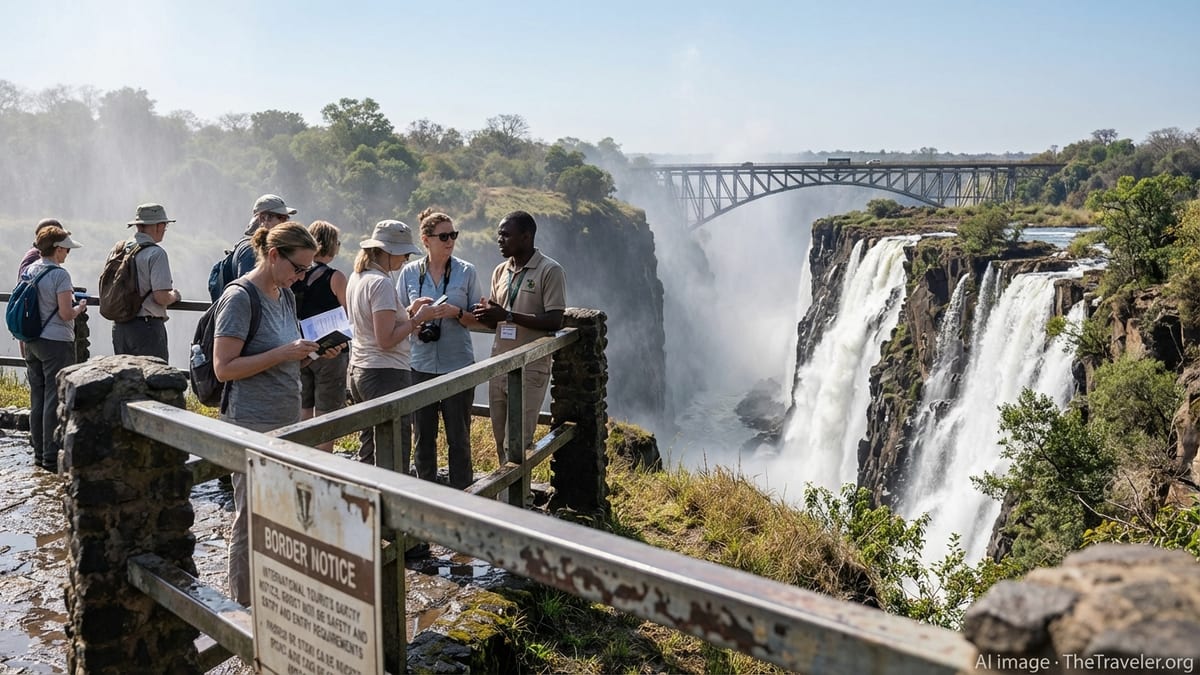
Understanding Zambia’s Evolving Visa Policy
Visa policy is where Zambia has changed fastest. The government has spent the last few years using immigration reform as a tool to boost tourism and investment. A key milestone was the waiver of visa requirements for citizens of the United States, United Kingdom, Canada, the European Union, Australia, New Zealand, China, Japan, South Korea and the Gulf states, which took effect in late 2022. Citizens of these countries can currently enter Zambia visa free for tourism and business, subject to the usual passport and entry conditions.
On top of that, a major expansion of visa-free travel took effect on 1 January 2025. A reform announced by the Minister of Home Affairs and Internal Security added 53 more countries and territories to the visa-exempt list, bringing the total number of nationalities that can enter Zambia without a visa to 167. The newly added states include a mix of European microstates, Latin American countries, Middle Eastern and North African countries such as Morocco, and various territories in the Pacific and Caribbean. For citizens of those states, short tourist or business trips to Zambia are now significantly easier to arrange.
If you do still need a visa, Zambia offers three main options: visa on arrival, advance visas issued by Zambian embassies and an electronic visa (e-visa) system. According to the Department of Immigration, visitors who are not visa-exempt can generally obtain a visa on arrival at ports of entry, apply in person at a mission abroad or use the online portal. The visa categories most relevant to travelers are single entry, double entry and multiple entry. As of early 2026, the official fees for most nationalities remain 25 US dollars for a single entry visa, 40 US dollars for a double entry visa and 75 US dollars for a multiple entry visa, although fees can differ by nationality so you should verify the exact amount that applies to your passport before you travel.
A subtle but important detail is that visa validity is not the same as the length of stay. Zambian authorities define validity as the timeframe within which you must enter the country. Your actual period of stay, typically up to 30 or 90 days, is determined by the immigration officer and is stamped in your passport on arrival. If you plan an extended itinerary, multiple safaris or side trips to Botswana, Namibia or Zimbabwe, allow margin within the permitted stay or seek an extension through immigration offices inside Zambia.
Who Needs a Visa, Who Does Not and How to Apply
Because the list of visa-exempt nationalities is now lengthy and has recently been expanded, it is crucial to check the Government of Zambia’s own immigration website or a current advisory from your foreign ministry before finalizing flights. At the time of writing, citizens from a broad range of European, North American, Asia-Pacific and Gulf states enjoy visa-free access for tourism and business trips of limited duration. Citizens of another group of countries can obtain visas on arrival or at Zambian missions, while a smaller set must apply in advance and secure approval before boarding a plane.
The e-visa platform has become the preferred option for many nationalities that still require visas. Applicants fill in a form online, upload a passport scan and supporting documents and then pay with a card. The system issues an approval letter if your application is successful, which you print and show at the border to have the visa placed in your passport. Children under 16 cannot apply separately and are normally added to a parent or guardian’s application. Processing times vary from a few days to longer at busy periods, so apply well in advance if you are traveling in peak season, typically July to October.
For those eligible for visas on arrival, the process at Lusaka’s Kenneth Kaunda International Airport, Livingstone’s Harry Mwanga Nkumbula International Airport and other major entry points is usually straightforward but can be slow during busy times. You fill out an arrival form, queue at the immigration desk, pay the visa fee in cash (US dollars are standard) or by card if facilities are functioning, then receive your passport stamp and receipt. Immigration officers will expect to see a passport with at least six months validity beyond your entry date and at least three blank pages, along with proof of onward or return travel and, in some cases, evidence of accommodation and sufficient funds.
If you plan to cross borders around Victoria Falls, consider the KAZA UNIVISA, a special joint visa for Zambia and Zimbabwe that also allows limited day trips into Botswana. When available, this visa can be issued at selected border posts and airports and typically permits multiple crossings between Zambia and Zimbabwe within 30 days. However, availability has sometimes fluctuated and not all entry points issue it consistently, so check the latest situation before relying on the KAZA UNIVISA as the backbone of a multi-country itinerary.
Entry Requirements, Border Formalities and Local Laws
Regardless of nationality, all travelers entering Zambia must comply with a few baseline rules. The Department of Immigration stipulates that foreign passports must be valid for at least six months from the date of entry and contain at least three blank pages. Officers may ask you to show a return or onward ticket, proof of accommodation or tour arrangements and evidence of funds adequate for your stay. While not always scrutinized in detail, these requirements may be enforced more strictly when security is heightened or if your travel plans are unusual.
Overstaying a visa or the permitted period of stay is taken seriously. Travelers who remain in Zambia without valid immigration status can face fines, detention or deportation. If you realize you need more time, visit a regional immigration office in Lusaka, Livingstone or other major towns before your permission expires and ask about extending your stay. Extensions are discretionary and may require evidence of ongoing tourism plans or other justifications, so do not leave the request to the final days of your visit.
As in many countries, customs regulations restrict the import of certain goods. Possession or trafficking of illegal drugs carries severe penalties, and even smaller quantities of cannabis can lead to prosecution. Pornographic materials are prohibited. There are also specific rules around some medications. For example, some travel advisories note that over-the-counter medicines containing diphenhydramine, an ingredient common in allergy and sleep aids such as some formulations of Benadryl, are considered illegal in Zambia. If you rely on prescription medications, carry them in original packaging along with a doctor’s letter and check in advance that none of the ingredients are controlled substances under Zambian law.
Culturally, Zambia is conservative but welcoming. Public displays of affection are usually modest and visitors are expected to dress respectfully, particularly in rural areas and markets. Taking photos of military installations, airports or government buildings is discouraged and may be prohibited. As elsewhere, it is polite to ask before photographing individuals, especially in villages. LGBT visitors should be aware that same-sex sexual activity is criminalized under Zambian law. While prosecutions of foreign tourists are rare and many visitors report trouble-free stays, discretion is strongly advised.
Is Zambia Safe for Travelers Today
Zambia has a reputation as one of southern Africa’s more stable, peaceful countries and this still holds true in 2026. The political climate is generally calm, violent conflict is absent and most visits pass without incident. However, crime, road accidents and health risks mean safety needs to be taken seriously. Official advisories from governments such as the United Kingdom and Australia describe overall safety as manageable with common sense precautions, particularly in cities and at night.
Petty theft, pickpocketing and bag snatching are the most frequent issues for tourists, particularly in crowded markets, bus stations and around transport hubs. In larger cities like Lusaka and Ndola, and in tourist centers such as Livingstone, opportunistic theft is not uncommon. Travel advisories recommend keeping valuables out of sight, avoiding walking alone after dark, using registered taxis or transfers arranged by hotels and keeping vehicle doors locked and windows closed when driving.
More serious crimes, including robberies and carjackings, do occur, though tourists are not the primary targets. Some incidents have taken place on roads in the Copperbelt and in certain neighborhoods of Lusaka. The advice is to avoid driving at night between cities, not to stop for strangers waving you down, to be cautious when slowed by obstacles placed on roads and to steer clear of informal shortcuts through unlit areas. Pre-arranged transfers with reputable operators are standard for airport pickups, safari transfers and travel to lodges, particularly after dark.
Another aspect of safety is the political environment. Demonstrations, rallies and student protests occasionally take place in Lusaka and other towns, especially around election periods or during contentious policy debates. Even if gatherings start peacefully, they can escalate quickly, so travelers are advised to avoid large crowds, political rallies and any situation where security forces are present in numbers. News outlets such as Reuters, AP and local media are good barometers of the national mood; if you see reports of protests, adjust your movements accordingly.
Health, Vaccinations and Malaria Prevention
Health considerations should be central to planning a trip to Zambia. While the country has capable private clinics in Lusaka and key tourism hubs, public health facilities in rural areas can be basic and distances are long. Comprehensive travel insurance that covers medical evacuation is strongly recommended, particularly if you will be on safari or visiting remote national parks like South Luangwa and Kafue.
Zambia lies in a malaria zone and the disease is present year round in many parts of the country, with risk increasing during the rainy season. Health authorities and travel medicine specialists generally advise visitors to use a combination of mosquito avoidance and chemoprophylaxis. That means wearing long sleeves and trousers in the evenings, sleeping under bed nets where provided, using an effective insect repellent and, for most travelers, taking a prescription antimalarial such as atovaquone-proguanil, doxycycline or mefloquine as advised by a doctor. Self-diagnosis or self-treatment is risky; if you experience fever or flu-like symptoms during or after your trip, seek medical care immediately.
Yellow fever vaccination requirements have shifted over time and depend more on your travel history than your nationality. Zambia itself is not considered a high-risk yellow fever country, and for many direct arrivals no vaccination certificate is required. However, if you are traveling from, or transiting for longer periods through, a country where yellow fever is endemic, you may be asked for proof of vaccination at the border. Because rules can change and may be enforced inconsistently, check with the airline and your nearest Zambian mission before departure, especially if your itinerary involves regional hubs such as Addis Ababa, Nairobi or Johannesburg.
Routine vaccinations should be up to date, including tetanus, measles, mumps and rubella. Depending on your route and activities, a health professional may also recommend hepatitis A and B, typhoid and rabies vaccines. Outbreaks of cholera and other waterborne diseases sometimes occur, particularly during the rainy season or in informal settlements. Drinking treated or bottled water, avoiding raw or undercooked food and practicing good hand hygiene go a long way toward staying well. Some travelers choose to carry a basic medical kit and a course of antibiotics prescribed for severe traveler’s diarrhea, but these should be used judiciously and under medical guidance if possible.
Money, Costs and Day to Day Practicalities
The Zambian kwacha is the local currency used for almost all everyday transactions. In major cities and tourist areas, international credit and debit cards are widely accepted at hotels, lodges, large supermarkets and restaurants, but cash is still essential in rural areas, at roadside markets and for tipping. ATMs are common in Lusaka, Livingstone and larger towns, though occasional outages and withdrawal limits mean you should avoid leaving cash needs until the last minute. Withdraw money in daylight hours and stay alert around ATMs, as some thefts have been reported after visitors leave banks.
Zambia is not a budget destination in the same way as some Asian or Latin American countries. Park fees, internal flights and quality safari lodges can be expensive, often priced in US dollars. However, there is a wide range of accommodation, from basic guesthouses and backpacker hostels through mid-range hotels to luxury camps. For many visitors, the single largest cost is time in national parks, where guided game drives and park entry fees quickly add up but deliver some of the continent’s most rewarding wildlife experiences. Build a realistic budget that includes these fixed costs as well as transport between regions and you will have fewer surprises on arrival.
Mobile coverage is good in and around cities, towns and main roads, but drops off in remote parks and rural villages. Buying a local SIM card on arrival is inexpensive, provided your phone is unlocked. Data packages are suitable for maps, messaging and basic calls home, although speeds can be inconsistent. Electricity is usually 230V with British-style three-pin plugs. Power cuts, known locally as load-shedding, do occur, most often in residential neighborhoods. High-end lodges tend to have generators or solar backup systems, but carrying a power bank for phones and cameras is worthwhile.
Everyday interactions are generally warm and polite. English is the official language and widely spoken, especially in urban and tourism settings, though Zambia is home to more than 70 local languages and dialects. Learning a few words of Bemba, Nyanja or Tonga is appreciated. Tipping is customary in restaurants and on tours when service is good; many safari operators build staff gratuities into package guidelines, so ask at the outset how tipping is handled.
Getting Around: Roads, Domestic Flights and Seasonal Challenges
Zambia is a large country with long distances between many of its highlights. While it is possible to self-drive and many overlanders do so, the combination of variable road quality, livestock on highways, occasional fuel shortages and the risks of night driving make it an undertaking best reserved for experienced drivers. For most visitors, internal flights combined with arranged transfers or guided road journeys offer the safest and most time-efficient way to explore.
Domestic airlines connect Lusaka with Livingstone, Mfuwe (gateway to South Luangwa), Ndola and other regional centers. In peak safari season, charter flights also operate between remote bush airstrips and key parks. Book internal flights early if you are traveling between July and October when both international arrivals and local holiday travel peak. Flight schedules and carriers can change, so leave buffer time between international and domestic connections and keep an eye on airline communications for any last-minute adjustments.
On the ground, reputable tour operators and lodges typically provide transfers in well maintained 4x4 vehicles with experienced drivers. This is particularly important in the rainy season, roughly November to April, when many unpaved roads can become muddy or impassable. Some parks and lodges even close temporarily during the height of the rains because access is so limited. If you are traveling independently, avoid driving at night, check road conditions locally before setting out, carry extra water and fuel on long stretches and let someone know your route and expected arrival time.
Public buses and shared minibuses run between major towns and are affordable, but they can be crowded, operate on flexible schedules and vary in safety standards. They are an authentic way to experience local life but less suited to tight itineraries or travelers with large amounts of luggage. If you choose this option, keep valuables on your person, avoid traveling after dark and be patient with delays.
Geopolitics, External Visa Issues and Perception Abroad
Zambia’s efforts to open its doors to the world by loosening entry requirements stand in contrast to some of the restrictions its own citizens now face when they travel abroad. In 2025, the United States government introduced a pilot program that requires tourists and business travelers from Zambia and Malawi to pay refundable visa bonds of between 5,000 and 15,000 US dollars when applying for certain US visas. Reports by outlets such as the Associated Press and the Washington Post have noted that these bonds are intended to address concerns about visa overstays, but critics argue that they effectively put American trips out of reach for most ordinary Zambians.
While this policy does not directly affect foreigners traveling to Zambia, it shapes how many Zambians view global mobility and fairness in the international travel system. For visitors, it is a reminder that what happens at one border often echoes elsewhere. Zambia’s own move to expand visa-free access to 167 countries is partly a response to such dynamics, signaling that the government wants to attract more international tourists and investors even as some of its citizens face higher barriers abroad.
For travelers, the practical takeaway is twofold. First, you benefit from a more welcoming regime when entering Zambia than in many comparable destinations, particularly if you hold a passport from one of the visa-exempt states. Second, you should be aware that immigration and security officials worldwide are working in an environment shaped by these debates, which can lead to changes at short notice. Keeping an eye on current affairs and checking both Zambian and your own government’s travel advisories before departure is a sensible part of pre-trip planning.
Within Zambia, day to day attitudes toward foreign visitors remain positive. Tourism is a valued part of the economy, and travelers are usually met with curiosity and hospitality. As long as you move respectfully, obey local laws and take reasonable precautions, politics and global visa disputes are unlikely to touch your experience on the ground.
The Takeaway
Traveling in Zambia in 2026 is both easier and more complex than it was a decade ago. It is easier because the government has made a deliberate effort to open its borders, expand visa-free access and streamline options like the e-visa. For citizens of many countries, trips that once involved embassy visits and paperwork now require nothing more than a valid passport and a flight. It is more complex because health risks, evolving security advice and shifting global politics all demand that travelers pay attention to details and keep their plans flexible.
If you understand Zambia’s visa categories and confirm your status before flying, carry the right documents, respect local laws and customs, protect yourself against malaria and other health risks, and move with situational awareness in cities and on the roads, you will be well positioned to enjoy what the country does best. That includes some of Africa’s finest wildlife viewing, from walking safaris in South Luangwa to boat trips on the Zambezi, and the raw power of Victoria Falls in both high and low water seasons.
Ultimately, Zambia rewards those who prepare. Visas, safety and practical planning may not be as glamorous as waterfall photographs or lion sightings, but they underpin every successful journey. Take the time to get them right and you will find a country that is generous with its landscapes, its wildlife and its people, and one that is increasingly determined to welcome the world on its own terms.
FAQ
Q1. Do I need a visa to visit Zambia in 2026
Whether you need a visa depends on your nationality. Citizens of many countries, including the United States, United Kingdom, Canada, the European Union, Australia, New Zealand, several Asian states and an expanded list of 53 additional countries, can currently visit Zambia visa free for short stays. Others can obtain a visa on arrival or must apply in advance or via the e-visa system. Always check the latest information from the Zambian Department of Immigration and your own government’s travel advice before booking.
Q2. How much does a Zambian tourist visa cost
For nationalities that still require visas and are eligible for standard tourist visas, the common fees are around 25 US dollars for a single entry visa, 40 US dollars for a double entry visa and 75 US dollars for a multiple entry visa. These figures can vary by nationality and are subject to change, so confirm the exact fee for your passport when you apply online, at a Zambian mission or on arrival.
Q3. Is it safe to travel in Zambia as an independent traveler
Most visits to Zambia are trouble free and the country is considered relatively safe compared with some regional neighbors. However, crime such as pickpocketing, bag snatching and occasional robberies does occur, especially in larger cities and at night. Independent travelers should avoid walking after dark, use reputable taxis or arranged transfers, keep valuables secure and stay updated on local conditions. With these precautions, solo and independent trips can be both safe and rewarding.
Q4. Do I need yellow fever or other vaccinations to enter Zambia
Zambia itself is not classified as a high risk yellow fever country, so travelers arriving directly from low risk countries are generally not required to show a yellow fever certificate. However, if you are coming from or transiting through countries where yellow fever is present, you may be asked for proof of vaccination. In addition, health authorities often recommend routine immunizations and vaccines for hepatitis A, typhoid and possibly rabies, depending on your activities. Consult a travel clinic several weeks before departure.
Q5. How serious is the malaria risk in Zambia
Malaria is present in much of Zambia throughout the year, with higher risk during the rainy season. Travelers are usually advised to combine mosquito avoidance measures with prescription antimalarial tablets. That means using repellent, sleeping under bed nets where provided, wearing long sleeves and long trousers in the evening and taking a prophylactic medication recommended by a doctor. If you develop fever or flu like symptoms during or after your trip, seek medical care immediately and mention that you have been in a malaria area.
Q6. What are the key entry requirements at the border
At immigration, officials will typically expect a passport with at least six months validity beyond your date of entry and at least three blank pages. They may ask for evidence of a return or onward ticket, proof of accommodation and sufficient funds for your stay. If you require a visa, you must have obtained an e-visa approval, a visa from a Zambian mission or pay for a visa on arrival, depending on your nationality. Always ensure that your entry stamp and permitted stay are correct before leaving the desk.
Q7. Is self-driving a good idea in Zambia
Self-driving is possible and many overlanders do it, but it is not for everyone. Road conditions vary, distances are long, livestock and pedestrians share the roads and night driving is strongly discouraged because of accident risk and security concerns. For most visitors, especially those with limited time, combining domestic flights with transfers and guided drives organized by reputable operators is safer and more efficient. If you do self-drive, prepare thoroughly, carry spares and supplies and seek up to date local advice on road conditions.
Q8. Can I use my bank cards and will I find ATMs easily
In cities like Lusaka and Livingstone and in major tourist hubs, ATMs are common and many hotels, lodges and larger restaurants accept international credit and debit cards. However, connectivity issues and occasional outages mean it is unwise to rely on cards alone. In rural areas, smaller towns and markets, cash in Zambian kwacha is essential. Withdraw cash during the day, keep it secure and avoid using ATMs late at night or in isolated locations.
Q9. Are there any medicines or items that are illegal to bring into Zambia
Yes. Zambia has strict laws against illegal drugs and pornography, and both can lead to serious penalties. Some medicines that are over the counter in other countries are controlled in Zambia. In particular, products containing diphenhydramine have been flagged as illegal in some official advisories. If you take prescription medication, carry it in original packaging with a doctor’s letter and check in advance that none of the ingredients are banned or require special permission.
Q10. What is the best time of year to visit Zambia
The dry season, roughly from May to October, is generally considered the best time to visit for wildlife viewing because vegetation is thinner, animals concentrate around water sources and roads are more passable. Within that, July to October is peak safari season. The rainy season, November to April, brings lush landscapes and fewer visitors, but some parks and lodges close and certain roads can become difficult or impossible to use. The choice ultimately depends on your priorities, budget and tolerance for heat and rain.