

More news on this day
A sharp rise in dengue, chikungunya and other mosquito borne infections across popular sun destinations is prompting renewed health warnings for travelers, as data from global health agencies show record recent transmission and a widening geographic footprint for tropical diseases.
Get the latest news straight to your inbox!
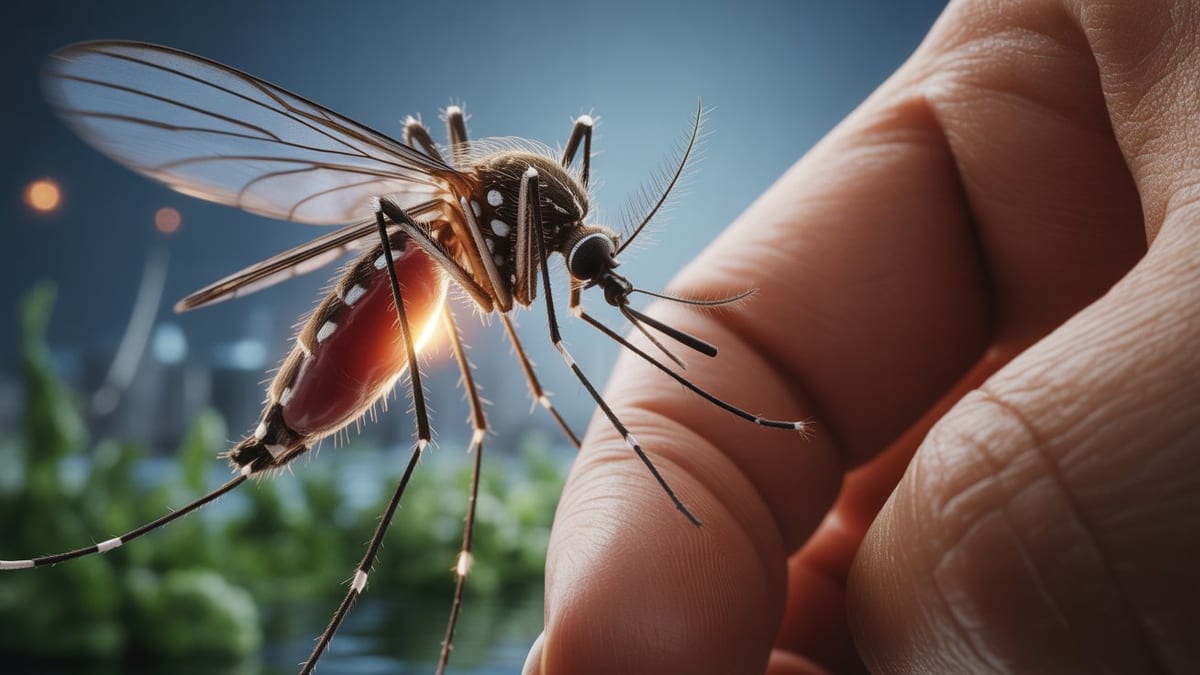
Image by Global Travel Alerts, Advisories, International Travel Alerts
Record Dengue Burden Keeps Popular Destinations on Alert
Publicly available figures from international health bodies indicate that dengue remains the dominant mosquito borne threat for holidaymakers, particularly in the Americas and parts of Asia and the Pacific. The World Health Organization has described 2024 as the highest global dengue burden ever recorded, with cases reported from more than 100 countries and a clear expansion into new climatic zones.
Regional reporting from the Pan American Health Organization shows that the Americas alone logged more than 13 million suspected dengue cases in 2024, an unprecedented tally that strained health systems in Latin America and the Caribbean. Although provisional data suggest a fall in overall case numbers in 2025, recent PAHO updates for 2026 emphasize that dengue continues to circulate at high levels and that countries are being urged to keep surveillance and hospital preparedness on a heightened footing.
European monitoring from the European Centre for Disease Prevention and Control points to continued international spread. Recent monthly overviews cite more than 100,000 dengue cases globally in a single month of the current season, with locally acquired infections now appearing in regions that once saw the virus only in returning travelers. These trends are reinforcing calls for travelers to treat dengue prevention as a central part of trip planning wherever Aedes mosquitoes are established.
For tourists, this means that destinations long associated with beach escapes, eco‑tourism and city breaks, from Brazil and the wider Caribbean to parts of Southeast Asia and certain European coastal areas, may carry a seasonal risk of dengue. Travel medicine specialists note that severe forms of the disease can develop rapidly, underscoring the value of early recognition of fever, headache and muscle pain during or soon after a trip.
Chikungunya and Zika Re‑emerge as Serious Holiday Risks
Alongside dengue, chikungunya and Zika are once again moving into focus for international travelers. A February 2026 epidemiological alert from PAHO describes sustained increases in chikungunya cases in several countries in the Americas since late 2025, with the organization calling for strengthened preparedness and public information campaigns. The virus, known for triggering intense and sometimes long lasting joint pain, is carried by the same Aedes mosquitoes that spread dengue and Zika.
Travel health notices highlighted in recent media coverage show that the United States Centers for Disease Control and Prevention has been issuing elevated advisories for destinations experiencing chikungunya outbreaks. Earlier analysis cited hundreds of travel associated infections in U.S. residents in recent years, illustrating how quickly outbreaks in one region can translate into imported cases elsewhere when tourism flows are strong.
Zika, which drew global attention in the mid 2010s for its link to serious birth defects, has not disappeared either. Updated information on Zika travel risk compiled by public health agencies lists a wide band of countries in the Americas, Africa, Asia and the Pacific with current or past transmission. While large explosive outbreaks have subsided, experts caution that pregnancy related risks remain significant where the virus continues to circulate, prompting ongoing advice for pregnant travelers or those planning a pregnancy to consult health professionals before visiting affected areas.
Doctors writing in clinical and primary care publications have also drawn attention to other tropical viruses, such as Oropouche virus in parts of South America and the Caribbean, which are beginning to appear more frequently in travel related illness reports. Though far less well known than dengue or Zika, these emerging infections add to the overall burden of mosquito and biting insect disease that travelers may encounter.
Climate Change and Expanding Mosquito Ranges Reshape Risk Maps
Scientific assessments released over the past year link the changing geography of tropical mosquito diseases closely to climate trends and rapid urbanization. WHO summaries and climate security reports describe how warmer temperatures, altered rainfall patterns and milder winters are extending the transmission season for Aedes mosquitoes and allowing them to establish in regions previously considered low risk, including parts of southern and central Europe.
In France, public health bulletins reported record local clusters of chikungunya and other mosquito borne infections in 2025, including in areas that had never previously documented such outbreaks. National surveillance updates cited by European media indicate that the so‑called tiger mosquito is now responsible for a growing number of homegrown cases each summer, a shift that mirrors warnings from European disease control agencies about the likelihood of more frequent autochthonous dengue and chikungunya transmission in the coming years.
Climate focused research groups have projected that, under mid range warming scenarios, the number of months each year that conditions are suitable for dengue transmission will increase in many regions by the 2030s. Combined with dense urban growth, inadequate water and waste infrastructure in some rapidly expanding cities, and the rebound in international travel since the pandemic, this creates what analysts describe as a “perfect storm” for the spread of arboviruses that thrive in human made environments.
For travelers, these shifts mean that mosquito disease risk is no longer confined to stereotypical “tropical” destinations. Summer city breaks in parts of the Mediterranean, countryside stays in areas where invasive mosquitoes have become established, and even some temperate coastal regions may present seasonal exposure, particularly during hot, wet periods when mosquito populations surge.
Vaccine Setbacks and Gaps Keep Prevention Focused on Bite Avoidance
While vaccines are beginning to play a role for some diseases, recent developments highlight that they are not yet a simple solution for most travelers. In the case of chikungunya, coverage in medical journals reports that a live attenuated vaccine, Ixchiq, received a recommendation for certain U.S. adults traveling to high risk areas, but its use was subsequently suspended by the U.S. Food and Drug Administration in August 2025 following safety concerns, including reports of chikungunya like illness and hospitalizations among recipients. This pause has renewed attention on the importance of non pharmaceutical measures.
For dengue, WHO has endorsed use of the TAK 003 (Qdenga) vaccine for children in settings with high transmission intensity, but the product is not widely available in all markets and is not currently offered in the United States. Travel medicine experts stress that, even where vaccination is available, it does not replace the need for mosquito avoidance, particularly for short term tourists whose eligibility or timing for vaccination may be constrained.
WHO’s 2025 guidelines on the clinical management of arboviral diseases underline that prevention still relies heavily on vector control and personal protection. Health authorities and travel clinics typically advise using insect repellents containing DEET, picaridin or other approved active ingredients, wearing long sleeves and long trousers in mosquito active periods, using bed nets where needed and choosing accommodation with effective screening or air conditioning in at risk regions.
These recommendations are increasingly being extended beyond classic tropical zones. With invasive Aedes mosquitoes now documented across parts of Europe, North America and East Asia, public health messaging is shifting toward a more universal approach that encourages travelers to consider mosquito protection a standard part of packing and daily routine when visiting warm regions, particularly during rainy or humid seasons.
What Holidaymakers Should Do Before and During Travel
Travel and tropical medicine specialists encourage would be holidaymakers to approach mosquito disease risk in the same structured way they might consider food safety or sun exposure. Guidance from national health agencies typically recommends checking destination specific advisories several weeks before departure, allowing time for any recommended vaccines, anti malarial medication for other mosquito species and the purchase of suitable repellents, clothing and bed netting.
Travelers with underlying conditions, older adults, pregnant people and families with young children are urged in public advisories to seek individualized advice, as these groups may face higher risk of severe outcomes from infections such as dengue or Zika. Clinical letters in family medicine and infectious disease journals emphasize the value of tailored pre travel counseling, particularly for those planning extended stays, visiting friends and relatives, or undertaking remote or adventure tourism.
During a trip, experts recommend that visitors pay close attention to local health information, especially during known peak mosquito seasons or where outbreaks have been reported in recent months. Simple steps such as applying repellent during the day as well as at dusk, using fans or air conditioning to reduce mosquito activity indoors, and promptly seeking medical care if fever or flu like symptoms develop can substantially reduce the risk of severe illness.
As climate change, urbanization and resurgent global mobility reshape the global map of mosquito borne diseases, the latest data suggest that travelers will need to treat bite prevention and health planning as a non negotiable part of their holiday checklist. With dengue, chikungunya and related infections now entrenched across many of the world’s favorite warm weather destinations, awareness and preparation are becoming as central to a successful trip as passports and plane tickets.