

More news on this day
Airline passengers in the United States will not receive automatic cash payments when they are stranded by lengthy, airline-caused delays after the Trump administration formally ended a Biden-era proposal that sought to make carriers compensate travelers for severe disruptions.
Get the latest news straight to your inbox!
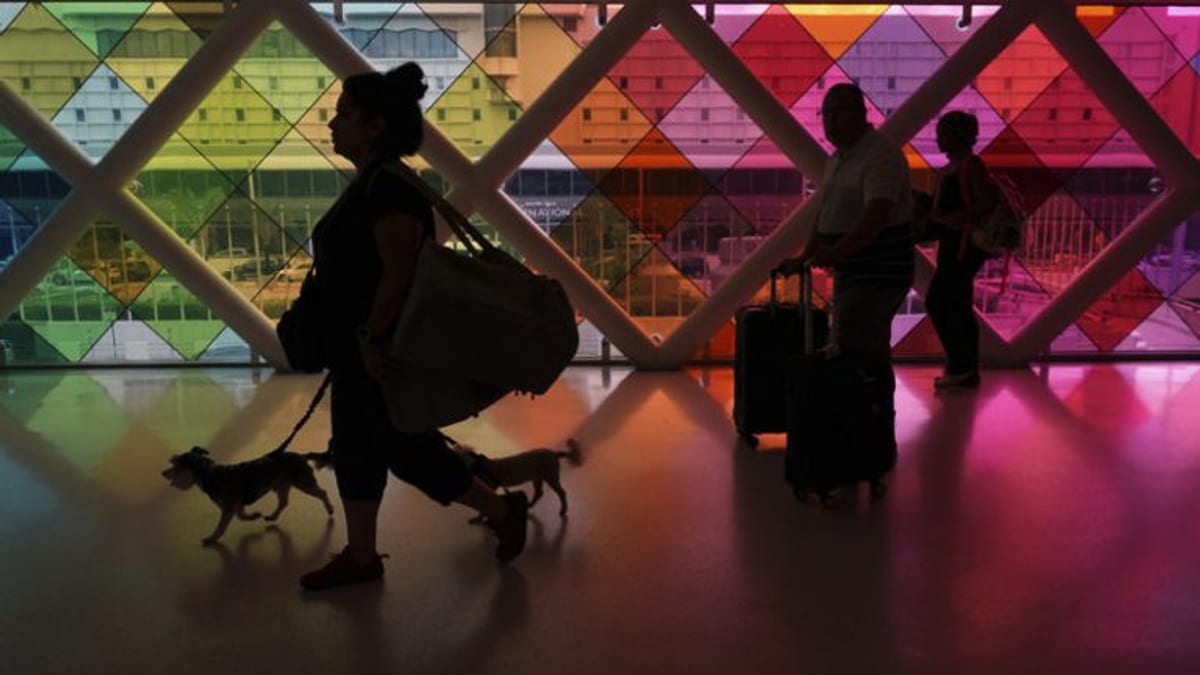
Image by msn.com
What the Biden-Era Proposal Would Have Offered Travelers
The abandoned initiative grew out of a push by the Biden administration to strengthen air-travel consumer protections following several high-profile airline meltdowns and a surge in complaints during the post-pandemic travel boom. Publicly available documents show that the Department of Transportation had been exploring rules that would require airlines to pay stranded passengers when delays or cancellations were within a carrier’s control.
Under the draft framework, passengers on domestic routes facing delays of at least three hours could have received cash payments in the range of about 200 to 300 dollars, with compensation scaling up for longer disruptions. For international flights or very long waits, compensation could have risen to as much as roughly 775 dollars. The plan also contemplated requiring airlines to provide meals, hotel stays and ground transportation when travelers were stuck overnight because of airline-caused issues such as maintenance problems.
The proposed approach would have moved the United States closer to regimes in places like Canada, the United Kingdom and the European Union, where rules already require airlines to pay standardized compensation when flights are severely delayed or canceled for reasons within the carrier’s control. Advocates argued that bringing similar standards to the United States would have given passengers more predictable rights and created financial incentives for airlines to invest in reliability.
Although the rule had not yet taken effect, reports indicate it was popular with consumer groups and many travelers, who saw it as a way to rebalance a system in which carriers often hold most of the leverage when trips unravel. Industry groups, however, warned that mandatory payments could raise operating costs and eventually ticket prices.
Trump Administration Pullback and Regulatory Rationale
The Trump administration’s Department of Transportation has now formally withdrawn the compensation proposal, halting the rulemaking process before any new obligations took effect. Public notices on the decision describe the move as part of a shift toward focusing on protections explicitly mandated by Congress, such as ensuring refunds when flights are canceled or significantly changed and passengers choose not to travel.
According to summaries of the decision, transportation officials under the current administration argued that imposing blanket cash compensation requirements for delays could reduce airlines’ flexibility in responding to operational challenges and potentially create unintended consequences, such as more preemptive cancellations. The administration also framed the rollback as consistent with a broader effort to limit what it views as unnecessary regulatory burdens on industry.
The withdrawal effectively means airlines will not face a new federal obligation to issue per-passenger cash payments solely because a delay crosses a specific time threshold, even when the disruption stems from causes within their control. Existing rules on refunds and disclosure of fees remain in place, but the more expansive vision of routine cash payouts for stranded travelers has been shelved.
The move fits into a wider pattern in which Biden-era consumer and environmental rules have been revisited or reversed across several sectors. In aviation, this has included reviews of regulations involving fee transparency and enforcement actions against carriers, alongside decisions such as waiving part of a fine imposed over a large-scale airline service meltdown.
Impact on Passengers Already Frustrated by Disruptions
The decision lands at a time when many U.S. travelers remain frustrated with frequent delays, cancellations and crowded airports. Analyses by oversight agencies and transportation officials in recent years have indicated that a significant share of lengthy domestic flight delays are attributable to factors within airlines’ control, including crew scheduling, maintenance and operational planning.
Without the Biden-era compensation rule, passengers affected by such disruptions will continue to rely on a patchwork of protections. Federal law guarantees refunds when flights are canceled or significantly changed and travelers opt not to fly, and airlines typically offer rebooking at no additional cost during major irregular operations. However, cash compensation for time lost, as well as guarantees of meals or hotel rooms during overnight delays, remain largely a matter of individual airline policy rather than a universal right.
Consumer advocates argue that this leaves many travelers bearing the financial burden of disruptions, especially when trips involve nonrefundable hotels, tours or events at the destination. They also note that airline policies can vary widely and may change with little notice, making it difficult for passengers to know what support they can reasonably expect when things go wrong.
In contrast, travelers flying in regions with stronger passenger-rights frameworks can often count on standardized payments when lengthy, carrier-caused disruptions occur. The absence of similar rules in the United States has led some policy makers to describe the American system as relatively permissive toward airlines and comparatively weak on direct compensation.
Airlines, Lawmakers and the Ongoing Policy Fight
Airlines had expressed reservations about the Biden-era plan during the public comment phase, warning that mandatory payouts could add hundreds of millions of dollars in annual costs and potentially force carriers to raise fares or reduce service on marginal routes. Industry representatives also contended that many delays stem from factors beyond their control, such as air traffic control bottlenecks or severe weather, and argued that a rigid compensation structure might unfairly penalize them for those events.
Following the Trump administration’s withdrawal of the proposal, several members of Congress signaled they would seek to reestablish stronger protections through legislation. Recent congressional materials describe new bills that would direct the Department of Transportation to restore Biden-era concepts, including mandatory compensation for significant carrier-caused delays and requirements that airlines cover passenger care costs such as meals and lodging regardless of the disruption’s cause.
Letters from lawmakers to the administration in late 2025 criticized the rollback, contending that it undermines the intent of recent aviation legislation aimed at improving the passenger experience. These documents argue that, at a time when flying is already expensive for many families, eliminating prospective compensation rules will shift even more costs onto travelers.
The clash reflects a broader divide over how aggressively the federal government should police the airline industry. Supporters of strict rules say robust penalties tied directly to passenger harm are necessary to change behavior, while opponents caution that heavy-handed mandates could ultimately reduce competition and choice in the market.
What Travelers Can Do Now When Flights Go Wrong
For now, the end of the Biden-era proposal means U.S. travelers must continue to navigate a landscape where protections depend heavily on each airline’s policies and on existing refund rules, rather than on automatic cash payments for being stranded. Passenger advocates recommend that travelers review airline contracts of carriage, which outline what carriers commit to provide in the event of delays and cancellations, and keep documentation of expenses such as meals or hotels when disruptions occur.
Travelers are also encouraged by consumer groups to submit complaints to the Department of Transportation when they believe an airline has failed to honor refund obligations or misrepresented its policies. While these complaints will not trigger automatic compensation for delays, they can contribute to enforcement actions or policy reviews if patterns of noncompliance emerge.
Some experts suggest that credit card travel protections, trip insurance and loyalty program benefits may play a more important role in filling the gap left by the shelved compensation rule. Certain premium cards and insurance policies reimburse travelers for reasonable expenses when trips are severely delayed, though these benefits often come with strict conditions and documentation requirements.
As debates continue in Washington over whether to revive or replace the scrapped proposal, passengers heading into busy travel periods remain largely on their own when flights fall far behind schedule. The Trump administration’s decision ensures that, at least for now, the cost of long hours spent in airport terminals because of airline-caused disruptions will continue to be borne primarily by travelers themselves.