

More news on this day
Americans heading into spring break and early summer trips are encountering a rapidly shifting risk map, with airport security turmoil in the United States, renewed strike threats in Spain and fresh cyclone warnings in key coastal destinations complicating international travel plans.
Get the latest news straight to your inbox!
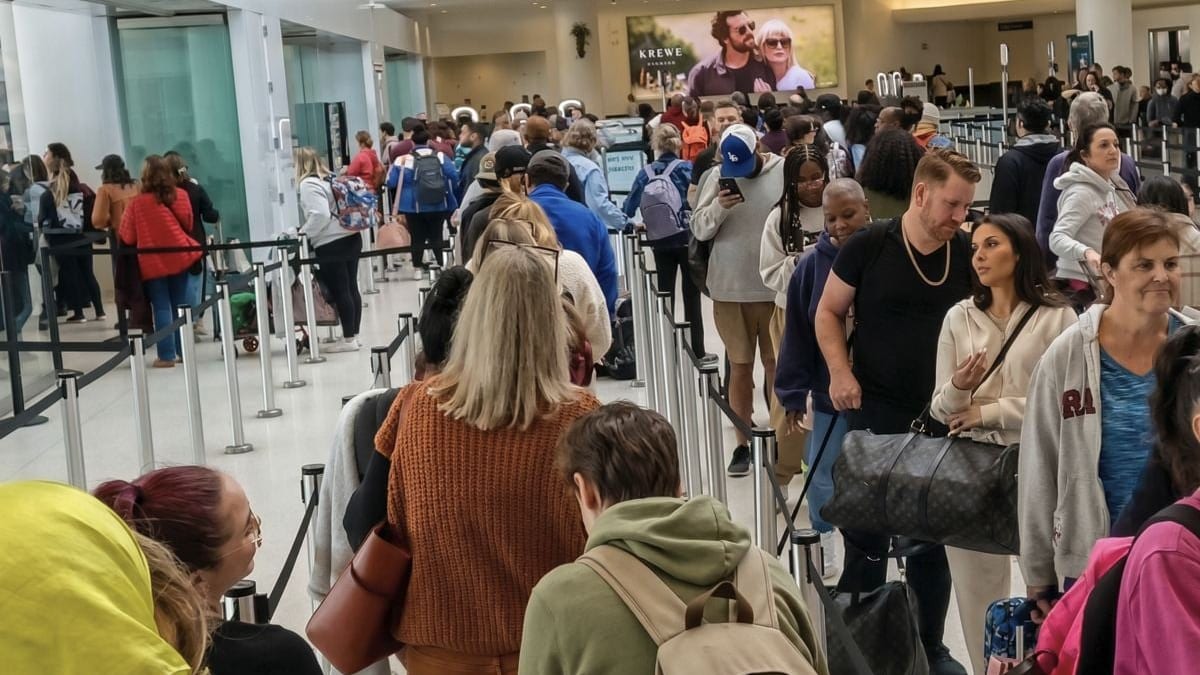
Image by traveloffpath.com
TSA Staffing Turmoil Fuels Airport Uncertainty
Security screening in the United States remains under intense pressure as the partial federal government shutdown drags into late March 2026, leaving Transportation Security Administration officers dealing with missed paychecks and mounting attrition. Publicly available information from national and local outlets indicates that hundreds of screeners have resigned or called out in recent weeks, concentrating the strain at some of the country’s busiest hubs.
Reports from airports in Atlanta, Houston and New Orleans describe security lines stretching to three or four hours at peak times, while other major airports are experiencing more typical waits. The patchwork nature of delays has created uncertainty for travelers, who are receiving conflicting signals from airlines, airport websites and crowd-sourced wait-time trackers about how early they should arrive.
Recent coverage shows that the situation may not ease immediately even as an executive order clears the way for TSA workers to receive pay as early as March 30. Travel analysts note that it takes time for staff levels, overtime patterns and scheduling to normalize, meaning irregular wait times could persist into April. Passengers are being urged by airlines and airport operators to monitor departure airports individually and build in extra time where recent reports show repeated multi-hour queues.
Some airports that have not experienced severe backups are now asking passengers not to arrive excessively early, arguing that extremely cautious behavior is actually contributing to bottlenecks during the busiest windows. For American travelers, the net effect is a more complex planning environment in which local conditions matter more than national averages, and last-minute changes to security operations can ripple through daily schedules.
Spain Strikes Threaten Easter and Early Summer Getaways
In Europe, Spain is emerging as a fresh flashpoint for travel disruption, with a series of strikes and strike warnings in the transport sector coinciding with peak holiday demand. Recent Spanish and international coverage points to labor disputes involving airport ground staff, regional rail services and urban transport networks in major cities such as Madrid and Barcelona.
Published strike calendars for late March and April show targeted walkouts at selected airports and on certain rail routes, rather than a nationwide shutdown. However, even limited actions can cause significant knock-on effects when they occur during busy Easter and spring break travel windows. Flight handling delays, baggage backlogs and reduced train frequencies have already been reported on several announced strike days.
For Americans planning trips to Spain, the main challenge is timing. Many of the announced or proposed strike actions fall on Fridays, Mondays and public holidays, amplifying their impact on long weekend breaks and cruise connections. Travel industry briefings suggest that airlines are preemptively consolidating some flights, rebooking passengers and relaxing change fees when industrial action is confirmed far enough in advance.
Tourism groups in Spain are emphasizing that the country remains fully open, noting that many services continue to operate even on strike days. Nonetheless, travelers are being advised in recent guidance to allow additional transfer time between rail stations and airports, avoid tight same-day connections, and closely review any notifications from airlines and rail operators in the week before departure.
Cyclone Warnings From Queensland to the Indian Ocean
In the Southern Hemisphere, a volatile cyclone season is adding another layer of complexity for Americans heading to beach and adventure destinations. In Australia, regional authorities in Queensland have issued watch-and-act messages and detailed preparedness advice as Tropical Cyclone Narelle tracks in the Coral Sea toward the state’s northern and central coast.
Local council bulletins and state emergency guidance stress that tourists, campers and caravanners in exposed coastal areas should have evacuation plans ready and consider leaving zones under active warnings if their presence is not essential. Accommodation providers in affected regions have begun circulating contingency plans to guests, including potential early checkouts, shelter-in-place protocols and transportation changes if conditions deteriorate.
Across the Indian Ocean basin, recent storm activity has also focused attention on the vulnerability of island and coastal destinations popular with European and American travelers. Systems such as Cyclone Gezani and Cyclone Jude earlier in the season brought damaging winds, heavy rainfall and localized flooding to parts of Madagascar and Mozambique, prompting temporary port closures and flight disruptions. While these particular storms have weakened, forecasters highlight that the regional cyclone window remains open into April, and that further developments could affect itineraries at short notice.
Travel insurers and risk consultants are reminding travelers to check whether their policies include named-storm coverage and to confirm how late they can make changes without penalties when an official cyclone warning is in place. In many cases, once a storm is publicly identified, new policies may exclude related disruptions, making early planning critical.
Global Security Advisories Reshape Route Choices
Compounding operational disruptions, Americans are also navigating a shifting security landscape. The United States government recently updated a worldwide caution advisory, citing elevated risks tied to ongoing conflict in the Middle East and related regional tensions. Public advisories note the possibility of periodic airspace closures and sudden changes to flight routing, particularly on long-haul services transiting or serving certain Middle Eastern hubs.
Separate guidance focused on the United Arab Emirates and nearby states highlights the threat of drone and missile activity, as well as cyber and physical risks to aviation infrastructure. According to published coverage, some carriers have already adjusted schedules, rerouted flights or introduced additional security checks in response to evolving risk assessments, leading to longer journey times or unexpected aircraft changes for passengers.
Independent travel security bulletins for the broader region, including the Gulf, Levant and Red Sea corridors, point to intermittent disruptions at specific airports and restrictions on movements around sensitive facilities. While most commercial operations continue, the combination of conflict-related advisories and operational constraints has led some American leisure travelers to defer or reroute trips, favoring alternative hubs in Europe or Asia where possible.
Travel planners note that such advisories can also affect travel insurance coverage and corporate travel approvals. Some policies exclude destinations with top-level “do not travel” warnings, while companies may require additional internal sign-off for routes that pass through designated high-risk airspace, even when stopovers are not planned.
How U.S. Travelers Can Navigate the Next Few Weeks
With TSA staffing strains, European labor unrest and cyclone risks all unfolding at once, the coming weeks will demand more active monitoring from American travelers than in a typical spring season. Industry briefings and recent news coverage converge on several core themes: check conditions close to departure, stay flexible on routing and timing, and understand the limits of insurance and rebooking policies before disruptions occur.
For domestic U.S. trips, the practical impact of TSA turmoil will vary widely by airport and even by time of day. Travelers are being encouraged to review recent wait-time trends, consider enrolling in expedited screening programs where feasible, and avoid scheduling tightly timed connections through airports that have repeatedly reported multi-hour queues.
For Spain and other European destinations affected by strikes, the key step is to map travel days against published strike calendars and adjust itineraries where necessary. Building in an extra night at the start or end of a trip, shifting from rail to coach on specific days, or choosing flights earlier in the day when possible can reduce exposure to cascading delays.
For trips to cyclone-prone regions, the most important decisions often come before departure. Booking flexible rates where possible, registering contact details with accommodation providers and cruise lines, and preparing a backup plan for alternative inland stays can help reduce stress if a warning escalates. As this unusually complex travel period unfolds, Americans planning to travel abroad are being urged by multiple public sources to treat risk information as a core part of their trip planning, alongside fares, hotel reviews and loyalty points.