

More news on this day
Spring break travelers flying through Jackson-Medgar Wiley Evers International Airport are encountering longer security lines and mounting uncertainty as a partial federal government shutdown squeezes Transportation Security Administration staffing just as peak leisure travel ramps up.
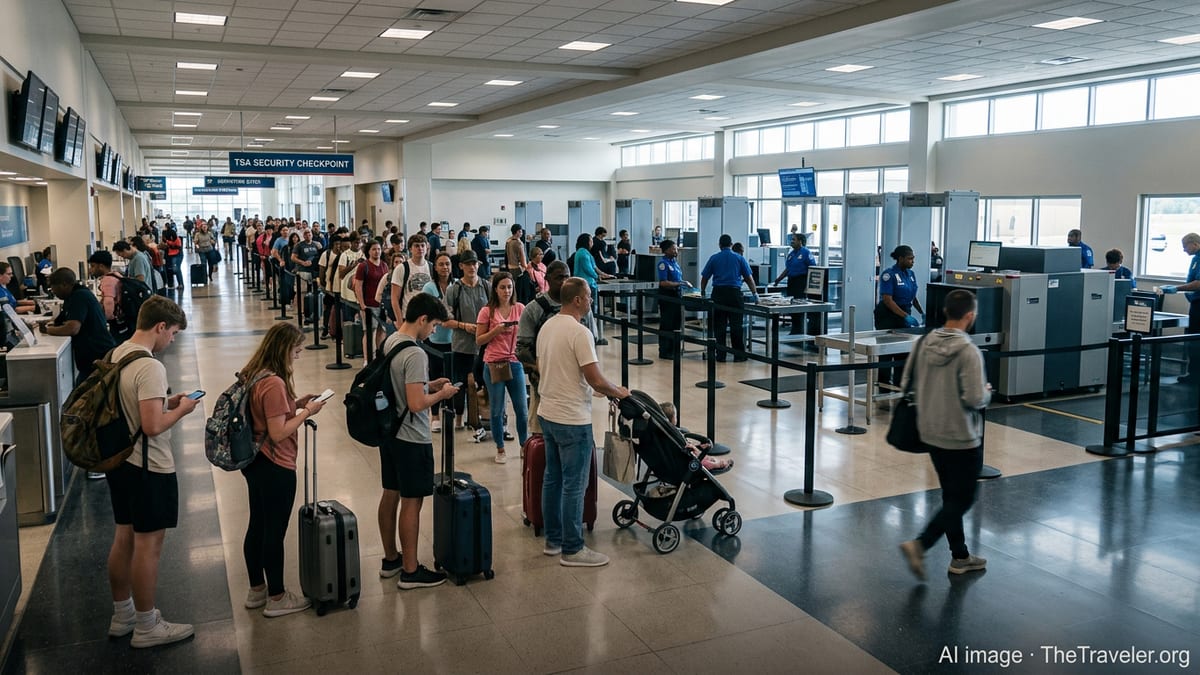
Spring Break Crowds Collide With Federal Funding Standoff
At Jackson-Medgar Wiley Evers International Airport, the annual spring break rush is arriving at the same moment a Department of Homeland Security funding lapse is rippling through airport security operations nationwide. The partial shutdown, which has left many TSA officers working without pay, is beginning to slow screening lanes at a time when family and student travel is intensifying.
Airport officials in Jackson say they remain operational but are warning of “longer-than-normal” waits at security as the week progresses. Passenger volumes are climbing with school breaks across Mississippi and neighboring states, and the combination of heavier crowds and thinner staffing is stretching checkpoint capacity during morning and early afternoon peaks.
Nationally, security lines at some larger hubs have already stretched well beyond two hours as TSA grapples with higher callouts and attrition. That pressure is expected to fan out to smaller and mid-sized airports like Jackson, where a missed departure can mean hours-long gaps before the next available flight.
While flight operations and air traffic control continue, the stress at security is becoming the most visible symptom of the funding fight in Washington for travelers starting their vacations in Jackson.
TSA Staffing Strains Begin to Show at Jackson
TSA officers are considered essential staff and are required to report to work during a shutdown, but many are now doing so without a full paycheck. Travel industry groups and federal officials have warned that financial strain and burnout can quickly translate into more sick calls, schedule changes and resignations, thinning the ranks at already tight checkpoints.
In Jackson, airport managers report that all screening lanes remain open during core hours, but they acknowledge that staffing is “day-to-day” as the shutdown drags on. Even a small reduction in the number of officers assigned to a lane can slow the flow of passengers through ID checks and X-ray machines, especially when flights depart in quick succession.
Recent federal data show that Jackson’s checkpoint throughput climbs sharply on peak travel days, with hundreds of passengers passing through security in concentrated morning and midday windows. In a normal season, TSA leans on overtime, temporary reassignments and part-time officers to handle these spikes. During a shutdown, those tools are harder to deploy at scale, increasing the odds that lines back up toward the ticketing area.
Travelers at Jackson in recent days have reported noticeably slower screening, particularly when a lane temporarily closes or when additional bag checks stack up. For now, wait times have generally remained under the multihour backups seen at some major hubs, but airport leaders caution that conditions can change quickly as spring break traffic builds.
What Travelers Through Jackson Need to Know Right Now
For passengers departing Jackson-Medgar Wiley Evers International Airport in the coming days, the most important adjustment is time. Airlines and airport officials are urging travelers to arrive at least two hours before scheduled domestic departures, and some carriers are quietly recommending even earlier arrivals at traditionally busy morning banks of flights.
Arriving early offers a crucial buffer if a surge of passengers coincides with a thinner-than-normal TSA shift. Families traveling with young children, larger groups, and anyone checking bags should factor in additional time to park, reach the terminal and complete check-in before even joining the security line.
Travelers should also be prepared for fewer shortcuts through security. While TSA PreCheck lanes remain in operation in many locations, federal officials have warned that trusted traveler programs and expedited screening lines could see intermittent reductions or closures if staffing tightens further. Jackson passengers who typically rely on expedited lanes should not assume they will be available or significantly faster.
Inside the checkpoint, being ready when it is your turn can help keep lines moving. Officials continue to emphasize packing liquids and electronics in an easily accessible way, removing items from pockets before reaching the conveyor belt, and following officer instructions closely to avoid repeated screenings of the same bag.
How the Shutdown Is Reshaping the Travel Experience
The partial government shutdown, rooted in a standoff over funding for the Department of Homeland Security, has turned airport security lines into a visible barometer of political gridlock. TSA has warned that its workforce is under mounting pressure, and industry leaders note that the agency was already struggling to recruit and retain officers before the latest funding lapse.
During the protracted 2025 shutdown, resignations among front-line TSA officers spiked, forcing some airports to consolidate lanes, close checkpoints earlier in the evening or reassign staff from lower-traffic facilities. Aviation groups fear a similar pattern could unfold this spring if the current stalemate continues, with smaller airports like Jackson particularly vulnerable to sudden staffing shortfalls.
For travelers, that reality means planning around unpredictability. Even on days when lines appear manageable, any uptick in callouts or an equipment issue at a single checkpoint can quickly push waits higher. Airlines operating from Jackson may respond by adjusting boarding times, encouraging earlier check-in or proactively rebooking passengers with tight connections through larger hubs already feeling strain.
Local tourism and business groups are also watching closely. Spring break is a lucrative period for hotels, rental car agencies and attractions across Mississippi, many of which rely on smooth airport operations in Jackson to welcome out-of-state visitors. Extended security lines, missed departures and cascading delays at connecting airports could have a tangible impact on visitor spending if the shutdown drags on.
Practical Strategies for Beating the Lines at Jackson
While no traveler can fully control the impact of a government shutdown, there are practical steps passengers flying from Jackson can take to reduce their risk of getting caught in the longest lines. Booking flights that depart earlier in the day can help, as morning departures often face fewer knock-on delays from other parts of the air network, even if security lines are busy.
Checking in online before arriving at the airport, paying close attention to carry-on size limits and avoiding last-minute baggage repacking at the ticket counter can all shave precious minutes before reaching security. Travelers should build a generous cushion between flights if they are connecting through major hubs such as Atlanta or Houston, where shutdown-related TSA delays have been among the most severe.
Passengers who have flexibility may also consider traveling on traditionally lighter days within the spring break window, or working with airlines to shift to flights outside of the highest-traffic hours. For those who must travel at peak times, monitoring airline alerts and airport social media channels on the morning of departure can provide early clues about evolving wait times.
Despite the frustrations, both Jackson airport officials and TSA stress that aviation security standards have not been relaxed. Officers continue to screen every passenger and bag, even as they work longer hours with uncertain pay. Until lawmakers in Washington reach a funding agreement that restores normal operations, travelers through Jackson should brace for delays, pack extra patience and give themselves more time than usual to clear security and start their journeys.