

More news on this day
Security conditions at Fort Lauderdale–Hollywood International Airport are gradually improving as the peak of spring break travel passes, with recent reports pointing to shorter Transportation Security Administration screening lines and more predictable wait times for departing passengers.
Get the latest news straight to your inbox!
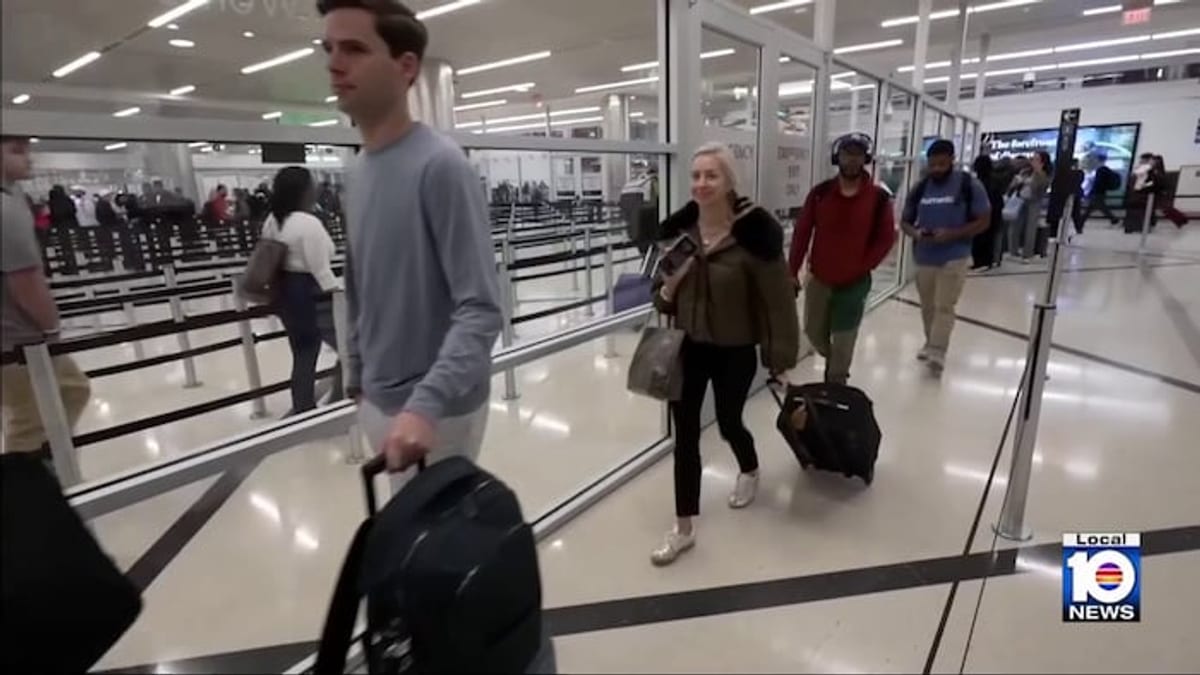
Image by WPLG Local 10
From Peak Crowds to More Manageable Flows
In mid‑March, Fort Lauderdale–Hollywood International Airport, a major gateway for South Florida’s beaches and cruise traffic, experienced the kind of congestion that has come to define spring break travel across the United States. Travelers described packed departure halls and stretched security checkpoints as colleges and school districts funneled vacationers into South Florida over a compressed window.
By the final weekend of March, publicly available wait‑time dashboards and traveler accounts indicated that checkpoint queues at Fort Lauderdale had eased compared with the most intense days of the spring break surge. While traffic remained steady, especially in the early morning and late afternoon banks of departures, lines were moving more consistently and typical waits were trending closer to posted estimates.
Travelers comparing conditions to neighboring South Florida airports have also noted that Fort Lauderdale’s lines, which previously drew frustration in online forums, have become more in line with regional norms. Reports referencing wait times in the range of 20 to 40 minutes for standard screening at busy periods suggest a return to what many passengers consider manageable, as opposed to the multi‑hour bottlenecks seen at some large hubs during the same national travel period.
The shift reflects the natural tapering of spring break schedules, with many universities and school systems already back in session by late March. As those high‑volume cohorts clear out of the system, remaining demand increasingly comes from families on staggered breaks and leisure travelers taking advantage of shoulder‑season fares, resulting in heavy but less overwhelming traffic at the checkpoints.
National Pressures Shape Local Security Experience
The improved experience at Fort Lauderdale is unfolding against a backdrop of nationwide strain on airport security operations. In recent days, coverage of major hubs highlighted extended security waits tied to staffing pressures and a broader federal funding impasse that has left Transportation Security Administration officers working under prolonged uncertainty. Some airports responded by bringing in additional federal personnel in support roles to help manage security lines and crowd control so screeners could focus on inspections.
Within that environment, Fort Lauderdale’s gradual return to more typical wait times underscores how local conditions can diverge from the most dramatic national examples. While federal data and broadcast reports have emphasized the risk of significant delays at the busiest gateways, information available to travelers about Fort Lauderdale has more often pointed to fluctuations within a moderate range, especially outside of peak holiday weekends.
Industry statements from airline and travel associations in recent weeks have warned that prolonged staffing challenges at security checkpoints could translate into longer lines during peak travel seasons such as spring break and summer. Yet the pattern at Fort Lauderdale in late March suggests that once the highest‑volume vacation weeks pass, even a stressed system can see noticeable relief, provided that scheduled staffing and passenger loads are relatively aligned.
For travelers passing through Fort Lauderdale now, that distinction matters. While headlines about long waits at other airports can prompt anxiety and very early arrivals, local experience at Fort Lauderdale in the final stretch of March has tended to be less severe than worst‑case national scenarios, particularly for those traveling outside of the heaviest departure banks.
What Travelers Are Reporting at FLL Checkpoints
Recent traveler anecdotes shared through public forums and social media offer a granular view of the evolving conditions inside Fort Lauderdale’s terminals. Earlier in March, some passengers referenced concerns about potential waits stretching well past an hour and questions about how early they needed to arrive, with automated parking and alert services at times suggesting extremely conservative arrival windows.
As the month progressed, however, many of those same channels began reflecting more moderate experiences. Several travelers departing Fort Lauderdale during the last full week of March described clearing standard security in roughly half an hour or less during daytime periods, with shorter times reported for those using expedited programs when dedicated lanes were fully staffed.
These firsthand accounts are consistent with the broader trend seen across a number of U.S. airports as the initial spring break crush gives way to a steady but more predictable flow. While outlier days and early‑morning surges still occur, the pattern at Fort Lauderdale appears to have shifted from fears of extreme delays toward a scenario in which recommended arrival times of two to three hours before departure provide a comfortable buffer for most domestic flights.
Travel commentary also suggests that passengers who plan ahead by checking terminal assignments and considering less congested screening checkpoints within the airport can further cut down on unpredictability. With four terminals and multiple security entry points, Fort Lauderdale offers some flexibility for airlines and travelers to spread demand when conditions allow.
Local Factors Helping to Ease Bottlenecks
Several local characteristics are contributing to the relative easing of security bottlenecks at Fort Lauderdale as the spring break period winds down. The airport’s role as a hub for low‑cost carriers and cruise traffic concentrates large numbers of travelers on specific days of the week and time bands, which initially intensifies surges but can also make them more predictable to manage once patterns are established.
Publicly available operations data indicates that Fort Lauderdale’s flight schedules in late March remain robust but slightly less concentrated than during the peak departure weekends earlier in the month. That marginal smoothing of schedules, combined with the natural decline in student group travel, reduces the likelihood of security queues spilling far beyond the roped‑off areas in the ticketing halls.
Infrastructure improvements and ongoing terminal projects in the Fort Lauderdale area, including transportation links connecting the airport to nearby cruise ports and downtown, also shape how and when passengers arrive at the airport. Although some of these projects remain in planning or construction phases, even incremental gains in ground access and curbside management can help prevent last‑minute surges from overwhelming security checkpoints.
Local transportation options, from ride‑hailing to regional rail and shuttle services, provide additional ways for passengers to time their airport arrival more precisely. When combined with more accurate wait‑time estimates from digital tools, this can translate into a steadier flow of travelers arriving at security rather than large waves converging all at once.
How Late‑March Passengers Can Navigate Fort Lauderdale
For travelers heading through Fort Lauderdale in the coming days, the latest conditions suggest that, while the airport remains busy, the most intense spring break congestion has likely passed. Arriving within the generally recommended window for domestic and international flights continues to be prudent, but many passengers are now finding that they can clear security with time to spare rather than facing the gridlock seen earlier in the month.
Passengers are encouraged, based on available guidance from travel industry groups and airport information tools, to build in extra time during traditionally busy hours such as early mornings and late afternoons, when banks of departures create natural peaks. Checking real‑time wait‑time estimates where available, monitoring airline app notifications and allowing flexibility for traffic or parking delays remain sensible strategies.
Families traveling with children or groups connecting to cruises from Port Everglades may benefit from planning for the higher end of recommended arrival windows, particularly on weekends when vacation travel remains brisk. Those enrolled in expedited security programs can continue to expect shorter waits when lanes are open, but should still allow enough time in case of temporary lane closures or unexpected surges.
As Fort Lauderdale transitions from spring break to the broader spring and early summer travel season, the easing of Transportation Security Administration lines offers a measure of reassurance to travelers who watched reports of long waits at airports around the country. Conditions remain subject to change, but for now, the trajectory at this South Florida gateway is moving toward smoother, more predictable screening experiences.