

More news on this day
Security screening at New York City’s three major airports is showing signs of improvement after days of gridlock tied to the Department of Homeland Security funding standoff, but travelers flying today should still expect longer than usual waits at Transportation Security Administration checkpoints.
Get the latest news straight to your inbox!
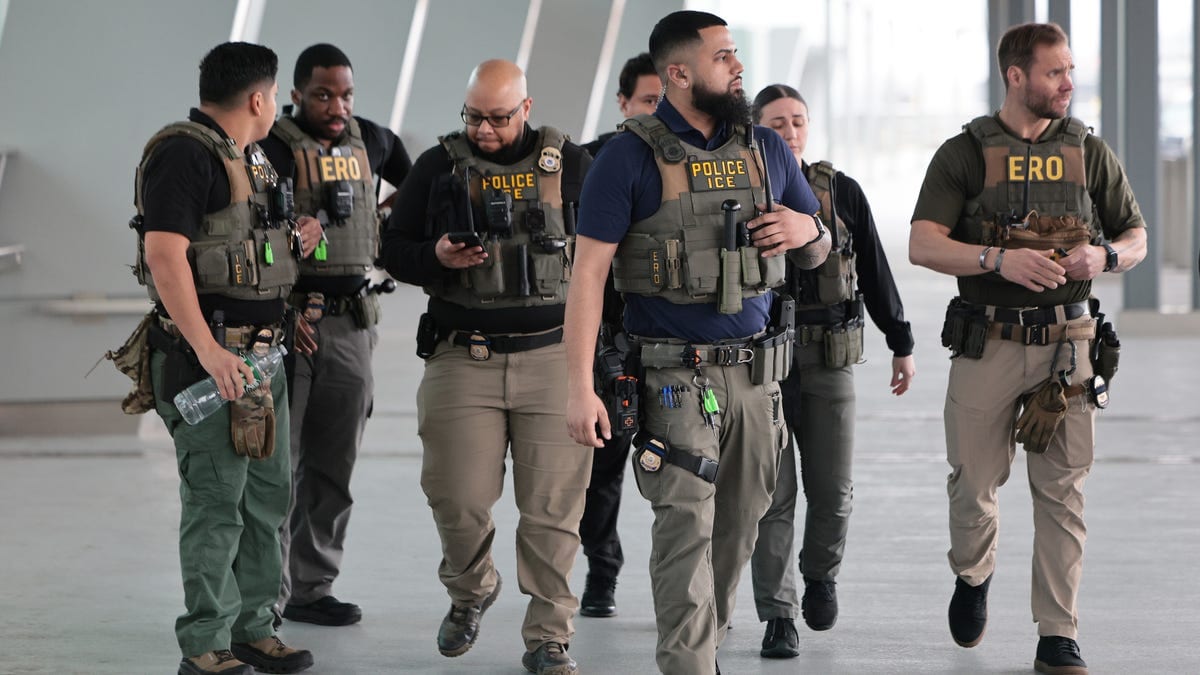
Image by Bergen Record
Shutdown Shock Is Fading, But Backlogs Remain
In the wake of March’s partial shutdown of the Department of Homeland Security, staffing gaps at the Transportation Security Administration triggered hours long queues at major hubs across the United States. New York’s LaGuardia, John F. Kennedy International and Newark Liberty International were among the airports where passengers reported missing flights as security lines stretched well beyond typical peak-period waits.
Recent coverage in national outlets describes the situation as a rolling crisis, with hundreds of officers quitting or calling out during the pay disruption and screening lanes occasionally consolidated to cope with shortages. Data compiled by independent aviation analysts indicates that security-related delays spiked to some of the highest levels seen since the pandemic, particularly around March 24 to March 27.
Federal action late last week to restore pay for TSA workers has eased some pressure. Reports indicate that many officers are now returning to scheduled shifts, reducing the risk of sudden lane closures. However, staffing numbers are still below pre-shutdown levels, and analysts suggest it will take several weeks for training pipelines and rosters to normalize.
For travelers, that means the worst of the crisis may be passing, but checkpoints are not yet operating as smoothly as they did earlier this year. Wait times today are generally shorter than last week’s extreme peaks, yet remain elevated compared with typical early spring averages.
Today’s Snapshot: LGA, JFK and EWR Wait Times
Aggregated trackers that pull from airport, airline and crowd-sourced data show a mixed picture for New York–area airports this morning. According to one dashboard focused specifically on JFK, LaGuardia and Newark, mid-morning standard security waits are hovering in the 30 to 45 minute range at LaGuardia, roughly 45 to 60 minutes at JFK and closer to 20 to 30 minutes at Newark.
These estimates line up with on-the-ground reports posted by recent flyers. Over the past several days, travelers at LaGuardia’s Terminal B have described waits anywhere from 30 minutes during quieter periods to close to two hours at the height of the disruption. At JFK, contributors have reported typical waits of around an hour at busy terminals, while others noted almost no line during very early morning departures. Newark has generally fared better, with many travelers citing standard screening times under half an hour and significantly shorter lines for those in PreCheck.
The variability reflects how quickly conditions can change across terminals and times of day. Morning and late afternoon banked departure periods are still prone to crowding, especially when airlines consolidate flights or when weather delays create surges of passengers funneling through security in compressed windows.
Travelers departing today from any of the three airports are being advised by local travel forums and planning tools to arrive earlier than usual. Many third-party wait-time calculators currently suggest a two-hour airport arrival window for domestic flights from New York, and up to three hours for international departures, to provide a buffer for potential bottlenecks.
New Tools Aim to Take Guesswork Out of Security Lines
The sustained disruption has accelerated the rollout of new technology intended to give passengers better visibility into real-time TSA conditions. A new feature launched today within a major U.S. airline’s mobile app adds estimated checkpoint wait times for dozens of airports, including New York’s primary hubs, using data collected by the carrier itself.
According to the company’s announcement and subsequent technology coverage, the tool displays separate estimates for standard security lanes and TSA PreCheck, updating throughout the day as conditions change. Aviation analysts note that while these readings are not official TSA figures, they can help travelers compare terminals and decide whether to head straight to a checkpoint or take advantage of quieter periods.
Other apps and websites, including some created by independent developers, have seen a surge in traffic during the shutdown period as travelers search for any edge in predicting lines. Publicly available information from the TSA’s own digital tools, such as its mobile application, continues to provide broad guidance on typical waits and peak periods, though recent events highlight the limits of historical averages when staffing is in flux.
Industry observers say the growing ecosystem of trackers may become a permanent part of the air travel landscape. Even as operations stabilize, granular visibility into screening times is increasingly viewed as a basic expectation for passengers in major markets like New York.
Is TSA “Back to Normal” Yet?
Determining whether TSA operations are back to normal at New York airports depends on which benchmark is used. By the measure of last week’s worst days, with four-hour lines reported at some hubs nationwide, current waits at LaGuardia, JFK and Newark represent clear progress. Checkpoints are largely open, systemwide shutdowns have not materialized, and average waits are now measured in tens of minutes rather than multiple hours.
However, comparisons with pre-shutdown norms tell a different story. Before the latest funding standoff, typical midweek waits at New York area airports often ranged from about 15 to 30 minutes at standard screening, with PreCheck usually moving more quickly. Today’s 30 to 60 minute estimates at busy times suggest the system remains under strain, particularly at JFK and LaGuardia, where passenger volumes and staffing constraints intersect most acutely.
Travel industry analysts caution that some of the impact may linger even after paychecks resume. The shutdown period prompted a wave of resignations among TSA officers, compounding preexisting hiring and retention challenges. Recruitment and training for new staff can take several months, which means that current teams will likely be stretched through at least part of the upcoming summer travel season.
For the moment, observers describe the TSA situation in New York as stabilized but fragile. A return to full normalcy at LGA, JFK and EWR will likely depend not just on restored pay, but also on sustained staffing gains and the absence of new policy shocks that could once again disrupt the system.
What Today’s Travelers Should Expect
For passengers flying out of New York today, the practical takeaway is to plan for unpredictability. Reports from the past several days show that security conditions can swing quickly from manageable to challenging, sometimes within the span of an hour, as waves of flights and staffing patterns intersect.
Early morning departures still offer the best odds of shorter waits, especially at JFK and LaGuardia, though even those windows have occasionally seen longer queues than usual during the shutdown fallout. Midday periods have been uneven, with some travelers passing through in under 20 minutes and others facing close to an hour, depending on the terminal and whether additional lanes are open.
At Newark, publicly available accounts point to relatively smoother operations, but experts still recommend leaving extra time, particularly around weekend and evening peaks when traffic to and from the airport can add another layer of delay. Across all three airports, passengers enrolled in TSA PreCheck are continuing to report significantly faster processing, though those lanes, too, have slowed when overall staffing has been tight.
Until staffing levels more closely match demand and passenger volumes settle into predictable patterns, the safest strategy for anyone asking whether TSA is back to normal in New York is to assume the answer is not yet. Building in extra time, checking multiple wait-time tools on the day of departure and remaining flexible at the airport remain the most effective ways to navigate today’s still-recovering security landscape.