

More news on this day
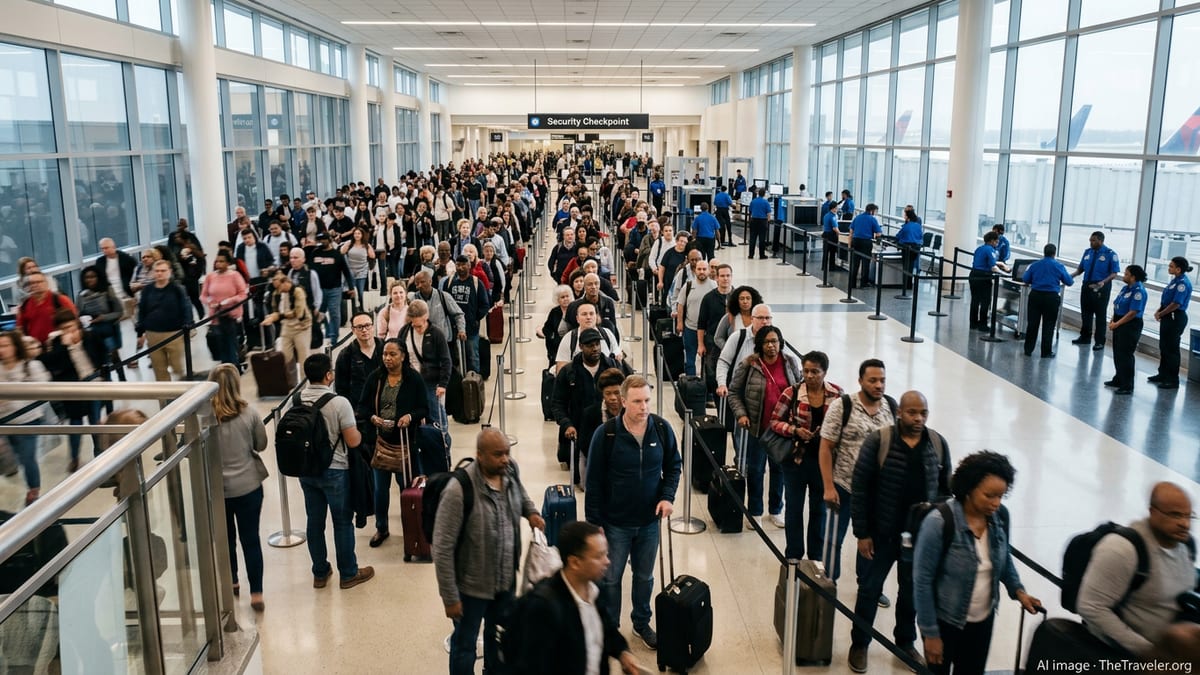
Travelers passing through Hartsfield-Jackson Atlanta International Airport are facing some of the longest security lines in recent years, as an ongoing U.S. government shutdown squeezes Transportation Security Administration staffing just as spring break crowds flood the world’s busiest airport.
Atlanta’s Security Bottleneck Puts Pressure on Spring Break Travel
On Monday, March 9, airport officials in Atlanta again urged passengers to arrive hours earlier than usual, warning that security wait times at multiple checkpoints had stretched well beyond typical weekday peaks. Social media updates and local broadcast reports described lines snaking through the terminal, with some travelers queueing for more than two hours before reaching a screening lane.
The timing is especially difficult for Atlanta, which routinely tops global rankings as the world’s busiest airport by passenger volume. March already brings a seasonal surge as college students and families head to beaches, ski resorts and overseas destinations. This year that rush is colliding with a partial shutdown of the Department of Homeland Security, which oversees TSA, creating a perfect storm of volume and reduced staffing flexibility.
Some Delta and other domestic passengers reported sprinting through the concourses to catch flights after clearing security, while others said they missed departures altogether and were forced to rebook for later in the day. Airlines have begun waiving some same-day change fees for affected travelers, according to industry statements, but the knock-on effect of backed-up checkpoints is rippling across already tight flight schedules.
Though Monday morning is often one of the busiest windows of the week for business travelers, airport officials noted that the current pattern of delays is more widespread and less predictable than the usual rush-hour spikes. That unpredictability is a hallmark of staffing strains tied to a prolonged funding lapse, they said.
Shutdown Fallout: Unpaid TSA Staff and Strained Operations
The current partial government shutdown, which has left key Homeland Security agencies without full-year funding, is at the heart of the disruption. While TSA officers are classified as essential and are required to report to work, many have now gone pay periods without receiving a full paycheck. Union representatives and current officers posting on social media say the financial pressure is pushing some screeners to call out or seek other jobs.
At Atlanta and other high-volume hubs, even a modest uptick in unscheduled absences can have an outsized impact. Fewer officers on duty limits the number of screening lanes that can open and reduces the ability to surge staff toward bottlenecks. That dynamic has been visible in recent days, with some checkpoints operating below normal capacity even as passenger counts climb.
The Department of Homeland Security has acknowledged that the shutdown is affecting TSA operations nationwide, pointing to longer lines in Houston, New Orleans, Charlotte and other airports over the weekend. Industry groups say Atlanta is particularly vulnerable because it funnels such a large share of U.S. domestic connections through a single airport, leaving little margin for error when security throughput slows.
Beyond routine security checks, separate DHS decisions tied to the budget impasse have already disrupted trusted traveler programs such as Global Entry at Atlanta, pushing more international arrivals into standard processing lines. That shift has compounded congestion in the customs hall and added pressure on TSA checkpoints that screen connecting passengers.
Nationwide Ripple Effects as Other Airports See Hours-Long Lines
While Atlanta has become a focal point due to its sheer size, it is not alone in grappling with gridlocked checkpoints. Over the weekend, travelers at Houston’s airports, Louis Armstrong New Orleans International Airport and Charlotte Douglas International Airport reported waits stretching from 90 minutes to more than three hours during peak periods, according to local airport statements and traveler accounts.
Some airports have responded by issuing increasingly urgent guidance. Houston’s William P. Hobby Airport, for example, escalated its recommendations from asking travelers to arrive early, to three to four hours ahead, and then to four to five hours prior to departure as lines lengthened and TSA staffing remained tight. At Phoenix Sky Harbor International Airport, officials cautioned that what are typically ten-minute waits could swell far beyond that as the shutdown persists.
The effects are uneven. Smaller regional airports and some major hubs have so far reported relatively normal screening times, underscoring how localized staffing levels and schedule design can influence the impact of a single federal policy shock. Even so, aviation analysts warn that conditions can change quickly if the shutdown drags on, as fatigue, morale and retention issues build among unpaid federal workers.
Across the system, longer security lines are beginning to cascade into delayed departures, missed connections and tighter turnaround times for aircraft. Airlines and airport managers say they are monitoring TSA throughput by the hour, reallocating staff to help manage queues, and adjusting flight operations where possible to cushion passengers from the worst of the disruptions.
Advice for Travelers Navigating Atlanta and Other Busy Hubs
For travelers with upcoming flights through Atlanta, the message from airport officials is blunt: build in far more time than usual. Many are now suggesting that domestic passengers plan to arrive at least three hours before scheduled departure and international travelers four hours ahead, particularly during early morning and late afternoon peaks when business and leisure traffic overlap.
Frequent flyers and travel advisors recommend checking both airline alerts and airport social media feeds on the day of travel, since these channels are often updated more quickly than federal websites during a shutdown. Some airports have also added prominent banner notices to security wait-time boards onsite, reminding passengers that posted estimates may lag real conditions when staffing is volatile.
Travelers who are able to be flexible are being urged to consider mid-day departures, when possible, or flights from secondary airports in regions where security lines have remained manageable. While there is no guarantee that an alternative route will avoid delays, recent days have shown that congestion can vary dramatically from one airport to another depending on local staffing and traffic patterns.
For those already en route, experts advise packing extra patience and essentials such as snacks, medications and chargers in carry-on bags, given the increased likelihood of extended time in security queues and on the tarmac. Keeping boarding passes, identification and electronics easily accessible can also help speed the individual screening process at a moment when every minute saved contributes to easing the broader gridlock.
Political Stalemate Leaves Travel Industry Seeking Certainty
Behind the scenes, the travel and hospitality industry is intensifying its push for a swift resolution to the budget standoff. Trade associations representing airlines, airports, hotels and tourism operators have warned that prolonged disruption at major gateways like Atlanta could jeopardize billions of dollars in anticipated spring and summer travel spending.
Industry leaders are reviving calls for Congress to adopt mechanisms that would guarantee pay for essential aviation and security workers during any future shutdowns, arguing that the current situation once again highlights the vulnerability of critical transportation infrastructure to political gridlock. Several groups have launched public campaigns and outreach efforts aimed at pressuring lawmakers to protect federal aviation staff from the financial whiplash of funding lapses.
Economists note that the indirect effects of eroded traveler confidence can linger long after security lines shorten and operations normalize. Families and business travelers who endure missed flights or stressful airport experiences during a shutdown may decide to postpone or cancel future trips, particularly discretionary leisure travel.
For now, as negotiations in Washington remain unresolved, passengers moving through Atlanta and other high-traffic U.S. airports are left bearing the brunt of the stalemate, confronting unpredictable security waits at the very moment they are most eager to get away.