

More news on this day
Travelers facing long security lines at United States airports are getting mixed signals this week, as new steps to restore pay for Transportation Security Administration officers collide with persistent staffing gaps and a growing likelihood that Immigration and Customs Enforcement agents will remain on duty at major hubs for the foreseeable future.
Get the latest news straight to your inbox!
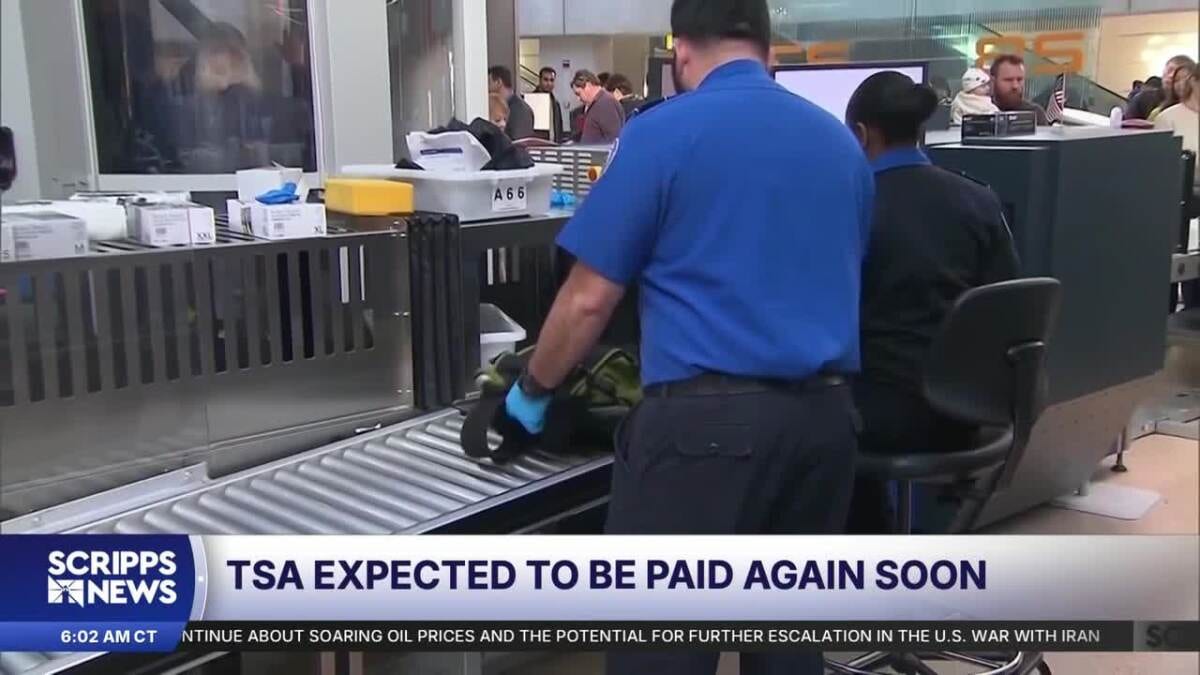
Image by abc15.com
TSA pay relief collides with a prolonged shutdown fight
Recent executive action to compensate Transportation Security Administration employees during the Department of Homeland Security funding lapse is beginning to filter through pay systems, according to published coverage, easing some of the most immediate financial pressure on front-line screeners. Reports indicate that many officers began receiving back pay at the start of the week, following weeks of working without compensation during the shutdown that began in mid-February.
The move has been framed as a targeted effort to stabilize airport security operations while Congress remains deadlocked over a broader Homeland Security spending bill. News analyses point out that the underlying shutdown remains in place, with lawmakers in the House and Senate divided over whether Immigration and Customs Enforcement and parts of Customs and Border Protection should be funded under the same package that covers the TSA.
Despite the infusion of pay, data shared in public briefings and union statements show that hundreds of TSA officers have already quit or taken extended leave since the standoff began, underscoring how quickly the shutdown’s effects rippled through airport security lines. For travelers, that means that pay relief, while significant for existing staff, may not immediately restore the staffing levels needed to eliminate lengthy queues.
Policy specialists note that the current situation is unusual because it attempts to decouple worker pay from the normal congressional appropriations process, using existing pots of money tied to security operations. That workaround has drawn attention from budget analysts, who say it may offer only temporary relief if the underlying political dispute over immigration enforcement and DHS funding remains unresolved.
Airport delays likely to outlast the first paychecks
Security wait times at major airports surged in recent weeks as callouts among TSA officers increased and attrition accelerated. Media accounts from large hubs such as Atlanta, Houston and Chicago describe multi-hour lines at peak periods, with some passengers missing flights despite arriving well in advance of departure.
Even with paychecks resuming, transportation experts caution that those delays may not disappear overnight. Airport staffing models depend on experienced screeners who can be shifted between checkpoints as demand fluctuates. Once those workers resign or transfer out, it can take months to recruit, clear, and train replacements capable of handling complex screening equipment and procedures.
Publicly available figures on attrition suggest that the agency was already grappling with high turnover and low morale before the shutdown, making the current losses more difficult to absorb. A series of government reviews in recent years has highlighted chronic challenges in retaining officers, particularly in high-cost metropolitan areas where private-sector jobs can offer higher wages or more predictable hours.
For travelers, the result is a patchwork of conditions that can change day by day and airport by airport. While some checkpoints have reported improving wait times as more officers return to duty now that pay is flowing, other locations continue to struggle, especially during early-morning and evening rushes when flight schedules are heaviest. Travel industry groups are advising passengers to continue arriving earlier than usual, reflecting a consensus that operational disruptions are likely to persist at least in the short term.
ICE agents become an entrenched presence at airports
The federal government’s decision to deploy Immigration and Customs Enforcement personnel to several large airports last week has emerged as one of the most visible signs of the shutdown’s impact on security arrangements. According to several national news outlets, ICE officers have been assisting with non-screening tasks such as monitoring exit lanes, helping manage queues, and providing general security support in terminals.
Initially described as a stopgap response to rising TSA absences, the ICE deployment now appears poised to continue even as TSA workers begin to receive pay. Interviews and televised appearances by senior administration figures indicate that ICE agents will remain in place until airports are deemed to be operating at or near full strength, with some officials linking the extended presence to what they describe as a heightened national security environment.
This gradual normalization of ICE at airport checkpoints is drawing renewed attention to longstanding debates over the role of immigration enforcement agencies in civilian travel spaces. Civil liberties advocates and some lawmakers have argued in recent years that expanding ICE’s footprint in airports risks blurring the line between transportation security and immigration control, potentially chilling travel for immigrant communities and naturalized citizens alike.
Airport operators, meanwhile, are attempting to integrate the additional federal personnel into daily operations without adding confusion for passengers. Public statements from local officials emphasize that TSA remains responsible for aviation security screening, while ICE and other agencies are intended to supplement crowd management and overall security. Nonetheless, the sight of immigration officers patrolling concourses and gate areas represents a notable shift from pre-shutdown norms.
Political dispute over ICE funding shapes travel experience
Behind the scenes at security lines and departure gates, the broader dispute over how to fund Homeland Security is heavily influencing what travelers see and experience. Congressional coverage in recent days describes a stark divide between lawmakers who want to separate TSA pay and aviation security funding from contentious debates over ICE operations, and those insisting that the agencies remain linked in a single spending package.
Opponents of the current funding approach argue that tying airport security to immigration enforcement has created avoidable chaos for passengers and workers alike. They contend that TSA officers should not bear the brunt of political disagreements over deportation policy and detention practices that fall under ICE’s mandate. Editorial commentary and advocacy statements have echoed calls to insulate critical transportation functions from future shutdown brinkmanship.
Supporters of keeping the agencies bundled together counter that Homeland Security’s missions are intertwined and should be funded as a whole. They maintain that ICE’s continued operations, including its presence at airports, are necessary in light of security concerns at the border and in major cities. This argument has gained prominence in television appearances and opinion pieces that frame the current dispute as a test of the administration’s broader immigration agenda.
For now, the impasse means that travelers are effectively caught in the middle of a high-stakes fiscal and policy fight. Until Congress reaches a compromise that addresses both TSA pay structures and the scope of ICE activities, airport conditions are likely to serve as a visible barometer of Washington’s inability to fully resolve the Homeland Security shutdown.
What travelers can expect in the weeks ahead
Industry analysts and former transportation officials reviewing current trends suggest that the coming weeks will be marked by gradual, uneven improvement rather than a sudden return to normal. As back pay reaches more TSA workers and some who stayed home decide to return, certain choke points may ease, particularly at airports that were already relatively well staffed before the shutdown.
However, the continued reliance on ICE to bolster security, combined with the lingering effects of attrition, may leave a lasting imprint on how airport security functions. Training pipelines for new TSA officers can span several months, meaning that vacancies created during the shutdown could still be affecting checkpoint capacity into the busy summer travel season.
Travel groups and consumer advocates are urging passengers to build in extra time for security, remain alert to changing procedures, and pay close attention to guidance from airlines and airport authorities. They also note that staffing constraints can have ripple effects beyond checkpoint lines, contributing to missed connections, baggage delays, and last-minute gate changes.
As the political negotiations continue in Washington, the experience of clearing security at a U.S. airport may remain an evolving story. The combination of restored pay for TSA officers, an entrenched ICE presence, and unresolved questions about long-term funding and staffing suggests that, for now, air travel will continue to reflect the broader tensions shaping national security policy.