

More news on this day
Emergency pay for Transportation Security Administration officers is beginning to ease the most dramatic airport security bottlenecks, yet travelers are being warned that long lines, unpredictable delays and the unusual presence of immigration agents at checkpoints could remain a feature of U.S. air travel for weeks to come.
Get the latest news straight to your inbox!
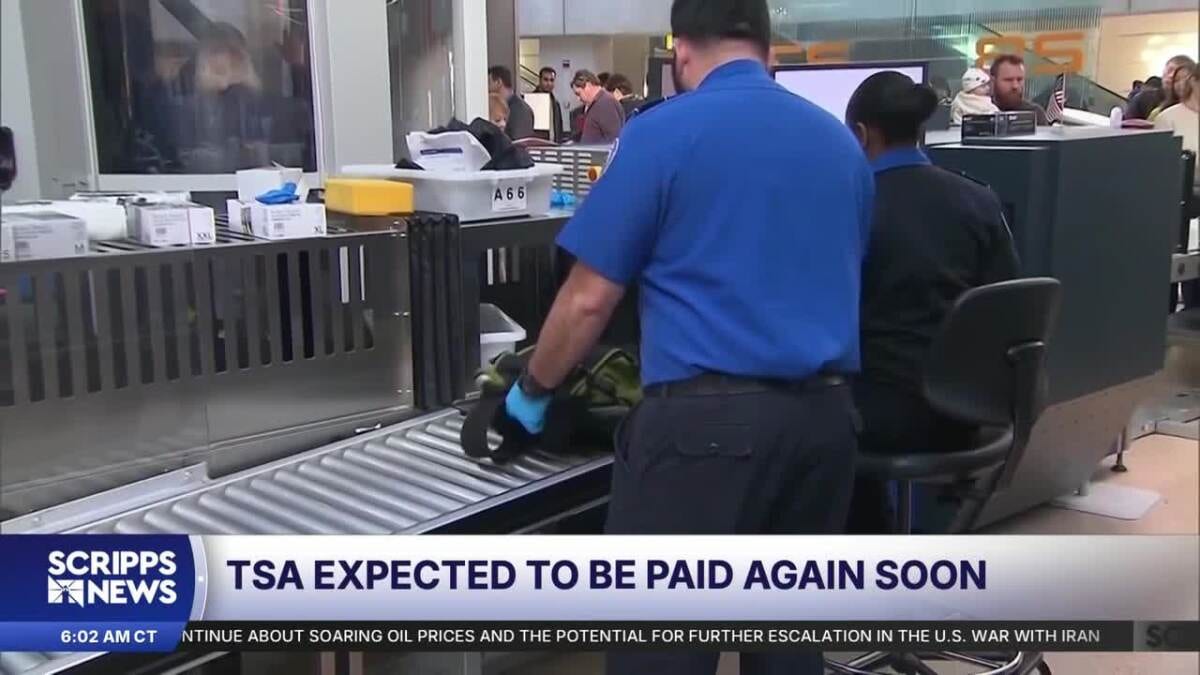
Image by katc.com
Pay Order Brings Relief, But Fallout From Shutdown Lingers
President Donald Trump’s recent order authorizing pay for TSA employees working through the partial Department of Homeland Security shutdown has begun to reduce some of the most severe backlogs at major hubs, according to multiple news reports. In the days leading up to the decision, absenteeism spiked among officers who had been on the job without pay since mid-February, triggering hourslong waits at airports from Houston to Newark as checkpoints were closed or consolidated.
Published coverage indicates that as back pay has started to flow, some airports are reopening additional lanes and reporting more stable staffing. However, the shutdown itself remains unresolved, leaving TSA’s longer term staffing picture uncertain. Aviation analysts note that even with pay restored, the agency is still contending with years of low morale, high turnover and the loss of hundreds of experienced screeners who quit outright during the funding standoff.
Industry groups have warned that the combination of a fragile workforce and near-record passenger volumes heading into spring travel could keep wait times highly variable. Airport websites and social media feeds continue to advise passengers to arrive far earlier than usual, with some hubs recommending at least three hours for domestic flights during peak periods.
Staffing Shortages Keep Pressure On Security Checkpoints
Recent reporting from large gateways such as Atlanta, Boston and Houston points to an uneven recovery in checkpoint performance. Some terminals are seeing near-normal flows during off-peak hours, while others experience sudden surges that push waits well beyond an hour when callouts spike or a lane must be shut because there are not enough officers to staff it safely.
Passenger volumes are complicating efforts to stabilize operations. Travel organizations have highlighted that U.S. airports are processing close to or above pre-pandemic highs, with certain days approaching record screening totals. Under those conditions, even a modest shortfall of officers can ripple quickly through an airport’s tightly choreographed schedule, backing up security lines, delaying aircraft boarding and increasing the risk of missed departures.
Airport operators are responding with a mix of tactical fixes: reallocating officers among terminals in real time, expanding use of overtime, and encouraging more travelers to enroll in expedited-screening programs that can help segregate flows. Yet those measures depend on having enough trained personnel in the first place, something TSA has struggled to guarantee during and even before the current funding crisis.
ICE Deployment Adds New Layer To Airport Security Landscape
To blunt the impact of TSA staffing gaps, the administration deployed teams of Immigration and Customs Enforcement officers to a number of airports, assigning them to assist around checkpoints and in related security roles. Published accounts describe ICE personnel helping with crowd control, managing lines and performing ancillary tasks that free up TSA officers to remain at screening machines and image readers.
The move reflects how stretched the aviation security system has become. ICE officers are not trained as frontline passenger screeners, and reports emphasize that they are not replacing TSA’s core vetting functions. However, their presence in terminals typically reserved for transportation security has raised questions from civil liberties advocates and some lawmakers, who worry that immigration enforcement could become intertwined with routine air travel.
According to recent coverage, there is little clarity on how long ICE personnel will remain deployed at airports. With TSA staffing still unstable and the shutdown ongoing, analysts suggest that the temporary measure could evolve into a semi-regular backstop during future periods of strain, particularly at large coastal hubs and international gateways.
Traveler Experience Shaped By Policy Uncertainty
For passengers moving through this shifting environment, the on-the-ground experience can vary dramatically from one airport, or even one hour, to the next. Some travelers report near-empty lines and fully staffed checkpoints, while others describe queues stretching into parking garages and concourses, with announcements urging patience as officers juggle surging crowds.
Publicly available information from several airports indicates that local authorities are adjusting staffing plans daily based on expected peaks, real-time callout rates and any federal reinforcements that arrive. Airlines are advising customers to monitor security wait-time tools when available, but those resources have at times been unreliable during the shutdown because data feeds depend on federal systems that are not being regularly updated.
Policy analysts note that the uncertainty itself has become a notable feature of U.S. air travel. Even with pay restored to TSA officers, the political stalemate over DHS funding leaves open the possibility of renewed disruptions if future pay periods are threatened or if attrition accelerates again. That ongoing risk is driving calls from aviation and travel groups for more durable protections for critical security staff during government funding battles.
Longer-Term Questions For Airport Security And Immigration
The current episode is also sharpening debate over how the United States structures and funds airport security and immigration enforcement. Studies of past shutdowns show that security-related staffing shortfalls can quickly translate into systemic flight delays, as congestion at a few major hubs ripples through the national network. Researchers have suggested that making certain aviation security roles effectively shutdown-proof, or insulating them from immediate funding lapses, could reduce the risk of cascading disruptions.
At the same time, the extended ICE presence at passenger terminals is drawing renewed scrutiny of the agency’s broader role in the travel system. Advocacy groups argue that airport deployments risk normalizing immigration enforcement in spaces where travelers have little choice but to pass, potentially chilling lawful movement by noncitizens and mixed-status families. Supporters of the deployment counter that leveraging available federal personnel during an emergency is preferable to shuttering checkpoints or allowing lines to grow dangerously long.
For now, publicly available information suggests that both TSA and ICE are operating in a holding pattern: one agency awaiting stable funding and the ability to rebuild its workforce, the other filling gaps on a mission it was not originally designed to perform. Until those structural questions are resolved, travelers may continue to encounter a more heavily policed, less predictable airport experience, even as long-awaited paychecks begin to hit TSA employees’ bank accounts.