

More news on this day
Travelers are beginning to see signs of relief after weeks of grinding airport queues, as new directives to pay Transportation Security Administration officers move forward, even while long waits and the expanded deployment of Immigration and Customs Enforcement personnel show little sign of ending quickly.
Get the latest news straight to your inbox!
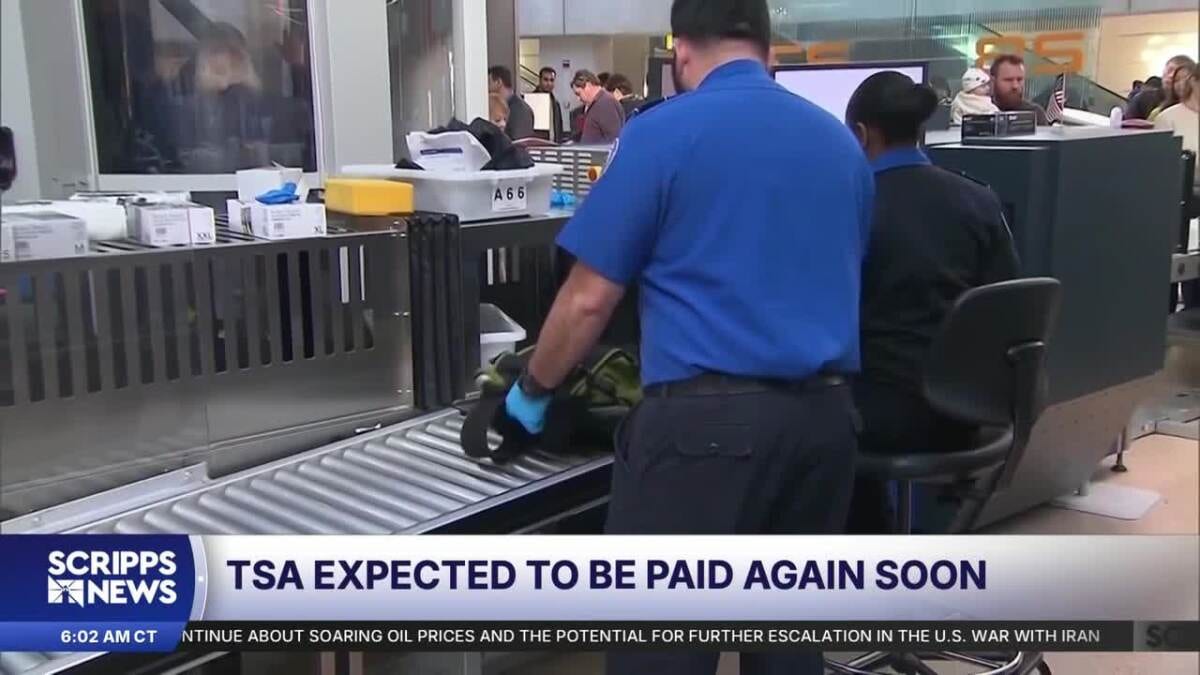
Image by Scripps News
New Pay Directives Aim to Stabilize TSA Workforce
After weeks of missed paychecks during a prolonged Department of Homeland Security funding standoff, the White House has directed that Transportation Security Administration workers begin receiving long delayed wages. Recent coverage indicates that an executive action signed on March 27 is intended to tap other Homeland Security funds so that screeners can be paid as early as this week, even though a full spending deal for the department remains unresolved.
The step follows a period in which tens of thousands of TSA employees were required to keep working without pay, a situation that contributed to rising absenteeism and resignations at security checkpoints nationwide. Reports from airports across the United States described workers calling out sick or taking other jobs, as the shutdown dragged on from mid February into late March.
Budget documents and earlier legislation show that Congress had previously funded substantial pay upgrades at TSA, moving officers closer to the General Schedule scale that covers most federal employees. That shift was credited with lowering attrition and helping the agency recruit, but the most recent shutdown abruptly cut off pay, reviving concerns about morale and long term staffing stability.
Union leaders and workforce advocates have warned that even with back pay now expected, the damage from several unpaid pay periods may not be easily reversed. Workers who left for more stable positions in local law enforcement, private security or other sectors are unlikely to return quickly, leaving gaps that will take months of hiring and training to fill.
Security Lines Ease Only Gradually as Staffing Lags
In the days since the pay directive was announced, some of the most acute bottlenecks at major hubs have begun to ease, according to national news reports and airport statements. Wait times of three to four hours that were recorded at the height of the disruption have shortened in several cities as officers return to work and overtime shifts expand.
Yet delays remain common, particularly at airports that saw significant numbers of experienced screeners depart during the shutdown. TSA officers require months of training and must maintain certifications for different screening duties, from operating imaging machines to conducting secondary inspections. Publicly available information from the agency indicates that this training pipeline cannot accelerate quickly enough to erase shortfalls in a matter of days or weeks.
Some airports have closed or consolidated checkpoints to concentrate remaining staff, a tactic that can keep operations running but often shifts congestion into fewer lanes. Local media in cities such as Philadelphia and Houston have described partial terminal closures and rolling checkpoint shutdowns tied directly to staffing levels.
Airlines and travel industry analysts caution that spring and early summer are traditionally strong travel periods, which may further strain security checkpoints if staffing does not rebound. Data from previous shutdowns show that even when pay is restored, it can take several months before absenteeism returns to normal and new hires are ready for front line duty.
ICE Agents Shift From Border to Airport Checkpoints
Against this backdrop, the administration has turned to Immigration and Customs Enforcement to help plug gaps at airport security. In late March, immigration enforcement officers began appearing in TSA screening areas at a growing number of hubs, including sites in New York, Atlanta, Chicago, Houston and other large markets, according to coverage by national and local outlets.
Officials have described the deployments as a temporary response to the DHS shutdown, noting that ICE personnel already operate security equipment at land borders and some ports of entry. At checkpoints inside domestic terminals, they have been assigned to duties such as managing queues, directing passengers, staffing exit lanes and, in some locations, assisting with secondary inspections under TSA supervision.
Available reporting suggests that the presence of ICE has not produced a dramatic reduction in wait times. Travel industry analyses indicate that many of the worst delays are rooted in shortages of fully trained TSA officers who are certified to interpret scans, conduct pat downs and make on the spot judgment calls about potential threats. Those duties are more difficult to shift to personnel who have not completed TSA’s specific training regimen.
Civil liberties and immigrant rights groups have raised alarms about the new posture, arguing that the visible presence of immigration enforcement inside airport security lines could deter some travelers from flying, especially those from immigrant communities. Commentaries in national publications have also pointed to academic research suggesting that heavy enforcement visuals tend to heighten stress and alter behavior in public spaces, even when the stated mission is not immigration checks.
Concerns Grow Over How Long ICE Will Stay
While pay relief for TSA officers appears imminent, there are few clear timelines for when ICE agents might withdraw from airports. Recent interviews and policy statements cited in national coverage indicate that senior Homeland Security officials plan to keep ICE personnel in place as long as staffing shortages persist, framing the move as a flexible tool that can be scaled up or down by location.
One senior border and immigration adviser has publicly suggested that ICE deployments will remain at least through the current shutdown period and potentially beyond, as part of a broader effort to keep security lines moving heading into the busy summer travel season. Separate reporting from international news outlets notes that officials are assessing airport by airport needs, implying that some hubs could see a semi regular ICE footprint even after TSA pay stabilizes.
This prospect has generated friction with some local leaders. Mayors in major cities have publicly questioned whether immigration enforcement personnel are the right fit for front of house security roles that bring them into contact with large numbers of travelers who are U.S. citizens or lawful residents. Advocacy organizations are urging clearer rules on when and how ICE can question passengers in TSA lines, and whether information gathered in that setting could be used for immigration enforcement unrelated to aviation security.
For now, DHS has emphasized that TSA remains the lead agency for passenger screening and that airport specific memoranda govern how different components coordinate. Yet the lack of a firm end date for ICE’s presence leaves open the possibility that what began as an emergency measure during a funding crisis could evolve into a more permanent feature of the airport security landscape.
What Travelers Should Expect in the Coming Weeks
For passengers planning trips in the near term, the evolving situation means a degree of uncertainty will likely linger even as some indicators improve. With back pay beginning to reach TSA workers and more officers returning to duty, travelers may notice gradual improvements in wait times, particularly at airports that were able to retain most of their staff during the shutdown.
At the same time, persistent vacancies, the slow pace of training and uneven staffing across the system point to continued hotspots, where lines could still stretch for an hour or more during peak periods. Airline scheduling and flight volumes will also play a role, since banked departures in early morning and late afternoon often push checkpoints to their limits even in normal times.
The continued deployment of ICE adds an additional layer for travelers to navigate. While public guidance from legal experts emphasizes that routine security screening is still handled by TSA, the sight of immigration agents in or near checkpoints may shape how some passengers choose airports, routes or even whether to travel at all. Advisories from immigration attorneys and advocacy groups are already circulating on social media, encouraging affected travelers to understand their rights before heading to the airport.
As Congress debates a longer term DHS funding package and the administration weighs how long to sustain ICE’s airport role, the experience at U.S. checkpoints remains in flux. For now, the immediate crisis over unpaid TSA workers appears to be easing, but the mix of lingering delays and expanded enforcement presence suggests that the travel environment will remain more complicated than usual well into the spring.