

More news on this day
After weeks of airport disruptions and unpaid shifts, Transportation Security Administration officers are finally in line for restored pay, yet a fierce dispute over immigration enforcement is keeping long-term travel stability in question.
Get the latest news straight to your inbox!
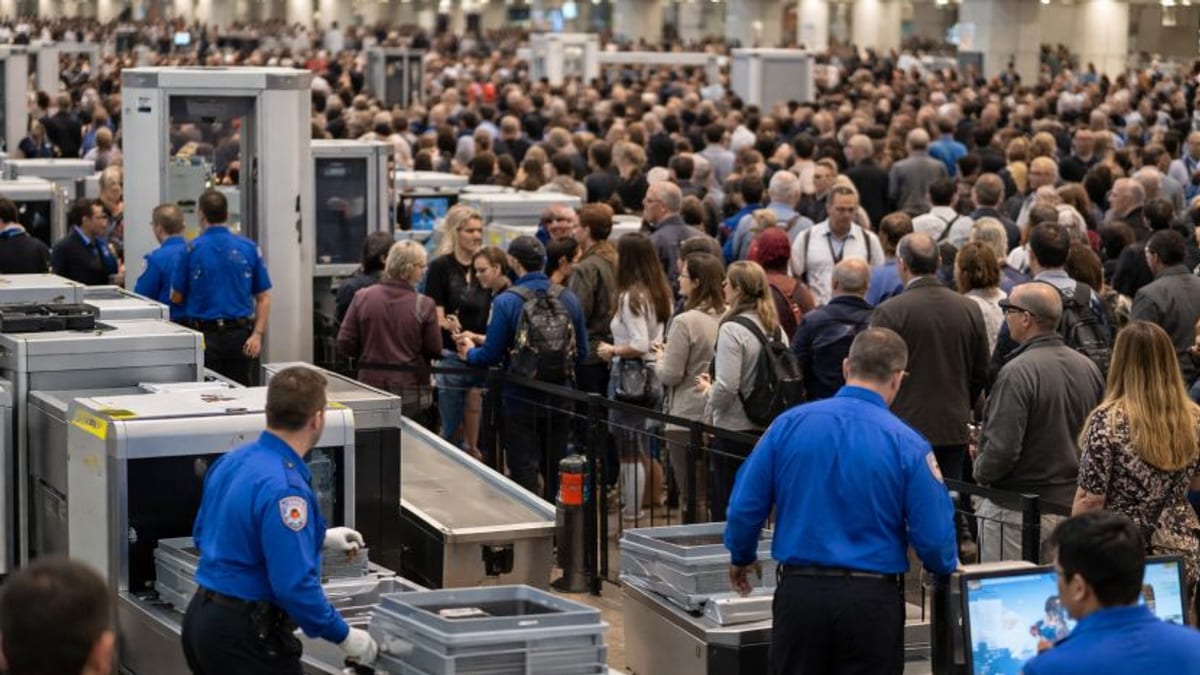
Image by Latest International / Global Travel News, Breaking World Travel News
Partial Breakthrough Ends Immediate Pay Crisis for TSA
Recent legislative maneuvers in Washington have produced a narrow agreement to fund most of the Department of Homeland Security, including the Transportation Security Administration, following a shutdown that began in mid-February. Published coverage indicates that the Senate advanced a measure in an overnight session on March 27 to reopen the bulk of DHS, while carving out contentious immigration enforcement agencies from the deal.
House lawmakers followed with a short term funding bill focused on easing the most visible impacts of the shutdown, particularly at airports where security lines lengthened and staffing grew thin. Publicly available information shows that TSA officers, who had been reporting for duty without pay for more than a month, are now expected to see paychecks resume as the new funding structure takes effect.
The White House has also taken emergency steps to direct available money toward TSA payroll in an effort to stabilize front line screening operations. According to reporting from national outlets, this move is intended to relieve some of the strain that had pushed hundreds of officers to resign or seek other work during the shutdown period.
For travelers, the immediate effect is a measure of relief. With TSA on firmer financial ground in the short term, federal officials and industry observers anticipate gradual improvements in checkpoint staffing and wait times, even as traffic builds into the spring and early summer travel seasons.
Immigration Standoff Leaves DHS Funding on Uncertain Ground
Despite the breakthrough on TSA pay, the broader conflict that triggered the shutdown remains unresolved. The core dispute centers on the future of Immigration and Customs Enforcement and certain Customs and Border Protection operations, which have drawn intense scrutiny and calls for reform following high profile incidents earlier this year.
Democratic lawmakers in the Senate have pressed for tighter limits on immigration enforcement tactics, while Republican leaders and the Trump administration have resisted changes they argue would weaken border security. As a result, several attempts to pass a comprehensive DHS appropriations bill collapsed, giving way instead to piecemeal efforts that isolate immigration functions from the rest of the department.
According to analysis from policy groups and think tanks, this split approach leaves DHS operating under an unusual patchwork of authorities and timelines. Many essential functions, such as aviation security and disaster response, are moving forward with renewed funding, but immigration enforcement remains at the heart of an impasse that could resurface as another deadline approaches.
Budget experts note that the reliance on short term fixes complicates long range planning at DHS, including for TSA, which must forecast hiring, equipment purchases, and training months or years in advance. The possibility that immigration disagreements could again unsettle the department’s finances looms over those efforts.
Airport Experience Improves, but Travelers Remain Wary
For travelers passing through the nation’s largest airports, the most tangible impact of the funding reprieve is expected to be at security checkpoints. Local and national reports in recent days described lines stretching for hours in some hubs as staffing levels sagged under the strain of missed paychecks and rising sick calls.
With TSA pay restored and additional personnel support from other federal agencies, aviation analysts expect a gradual return to more typical wait times. Airports and airlines are urging passengers to continue arriving early, however, as the system works through backlogs and adapts to altered staffing patterns that developed during the shutdown.
Travel industry groups have welcomed the new funding but are warning that confidence can erode quickly if the political situation remains unstable. Trade associations representing airlines, airports, and tourism businesses have pointed to 2026’s high stakes travel calendar, including major international events, as a reason to prioritize lasting security funding agreements over repeated short term deals.
Some passenger advocacy organizations argue that weeks of disruption have already highlighted structural vulnerabilities in the aviation security system, where a single appropriations standoff can ripple through flight schedules, connections, and customer service across the country.
ICE Deployment to Airports Fuels Civil Liberties Concerns
Complicating the landscape further is the decision to send Immigration and Customs Enforcement officers to assist at airports during the shutdown. According to publicly reported accounts, ICE personnel have been assigned to guard exit lanes and check identification at some checkpoints as TSA staffing fluctuated, a move the administration framed as a way to plug security gaps.
The overlapping presence of immigration agents in traditionally TSA controlled spaces has drawn scrutiny from civil liberties groups and some lawmakers. Commentators note that immigration officers typically operate under different authorities and priorities than standard aviation screeners, raising questions about how their roles are defined when they work side by side.
Published coverage suggests that travelers have expressed confusion and unease in some locations where immigration agents appeared more visible in public screening areas. Advocacy groups are tracking whether the temporary assignment of ICE officers could lead to more frequent immigration questioning in settings that most passengers associate primarily with routine security checks.
Legal analysts indicate that the blurred lines between aviation security and immigration enforcement could become a flashpoint in future debates over DHS authorities, particularly if reports emerge of passengers being detained or questioned about immigration status while moving through standard TSA screening lanes.
Travel Industry Pushes for Longer Term Stability
As the immediate risk of a shutdown related TSA collapse recedes, airlines, airports, and business travel organizations are turning their attention to the next round of budget negotiations. Statements and letters released in recent days emphasize the economic stakes of a stable security workforce, especially in a year when major events are expected to draw millions of domestic and international visitors.
Industry leaders are urging Congress and the administration to decouple core travel security functions from the most polarizing elements of immigration policy. Their argument, reflected in position papers and public commentary, is that TSA and related aviation operations should not be subjected to recurring brinkmanship that undermines traveler confidence and complicates long term planning.
Policy analysts point out that repeated shutdown threats can deter international visitors, who may opt for alternative destinations if they perceive U.S. entry to be unpredictable. That risk is of particular concern to cities preparing to host high profile tournaments and commemorations that rely on robust air connectivity.
For now, the restored TSA funding has eased the most urgent pain points for airports and passengers. Yet the unresolved immigration dispute at the center of the DHS battle means the stability of the U.S. travel system still hinges on fragile political compromises that could be tested again before the year is out.