

More news on this day
Transportation Security Administration officers are starting to see paychecks again after weeks of working without pay during a partial government shutdown, but many travelers are still facing long lines and a conspicuous Immigration and Customs Enforcement presence in U.S. airport terminals.
Get the latest news straight to your inbox!
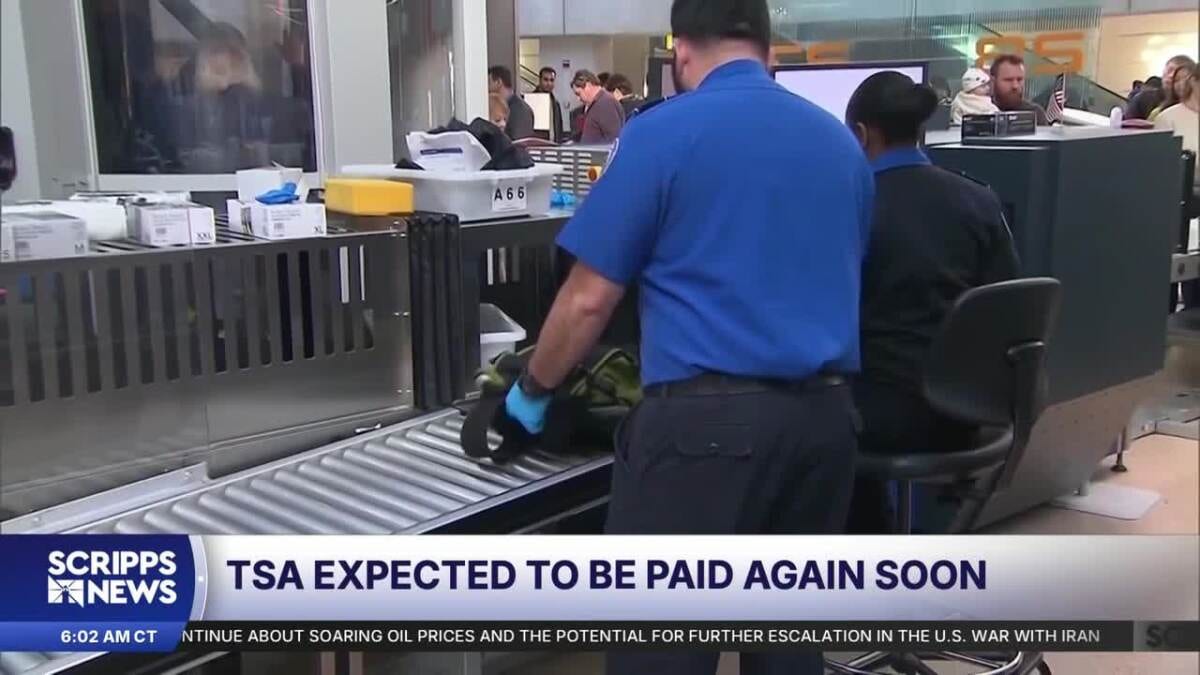
Image by krtv.com
Pay restored, but staffing gaps remain
Publicly available information indicates that President Donald Trump signed an executive order late last week to resume pay for TSA employees even as a broader funding standoff over the Department of Homeland Security continues. Officers began receiving back pay this week, easing some of the immediate financial strain that had prompted rising sick calls and resignations.
Despite the renewed paychecks, TSA staffing has not bounced back overnight. Reports from Houston, Atlanta and other major hubs describe a system still absorbing the shock of missed pay periods and weeks of uncertainty. At the height of the disruption, some airports recorded security waits of more than four hours, and while those extremes have eased, callout rates remain elevated compared with normal operations.
Security analysts note that TSA already faced chronic recruitment and retention challenges before the shutdown, even after earlier moves toward pay parity with the broader federal General Schedule. The recent turmoil has intensified those pressures, with some officers leaving for more predictable pay and hours in local law enforcement or private security.
Union statements and local coverage suggest it could take weeks, and in some locations longer, to rebuild full staffing and stabilize schedules, particularly at airports that lost experienced screeners during the standoff. That lag is contributing to continued uneven wait times around the country.
Travelers see patchwork delays across the network
Recent coverage from national and local outlets portrays a fragmented picture for passengers. In Houston, where lines earlier in March snaked for hours through George Bush Intercontinental Airport, wait times have shortened but remain unpredictable at peak periods. In Atlanta, early morning and late afternoon departures continue to draw the longest lines, especially at the busiest terminals.
At the same time, other hubs such as Dallas Fort Worth and Denver have reported relatively smooth throughput, with some checkpoints operating close to pre-shutdown norms. Airport managers attribute the disparity to differences in local staffing levels, the ability to reassign officers among checkpoints and how aggressively each airport cut or consolidated lanes during the height of the staffing crunch.
Analysts point out that TSA can partially offset shortages at large airports by closing PreCheck or secondary checkpoints and concentrating officers at primary lanes. Smaller regional airports have far less flexibility, relying on a single checkpoint that can quickly become a bottleneck if even a few officers call out. That structural imbalance is likely to keep delays concentrated at certain origin points, even as national averages improve.
For travelers, the patchwork means that advice to arrive early remains in effect, particularly during spring break and upcoming holiday periods. Passenger volumes are close to or above pre-pandemic levels, magnifying the impact of any staffing gap at screening lanes.
ICE agents step in, raising questions about their future role
While TSA struggles to rebuild staffing, another federal presence has grown more visible in many terminals. Following an order from the White House, Immigration and Customs Enforcement personnel have been deployed to more than a dozen airports, including large hubs in Atlanta, Chicago, Houston and New York, to provide what officials describe in public statements as nonspecialized security support.
According to published coverage, these ICE agents are not operating X-ray machines or conducting physical pat-downs, tasks that require months of specialized TSA training. Instead, they have been assigned to duties such as guarding exit lanes, monitoring choke points near checkpoints, managing queues and making public announcements intended to keep passengers informed and lines moving.
Their presence has prompted debate over effectiveness and optics. Some security experts cited in news reports argue that additional uniformed personnel can deter opportunistic crime and free TSA officers to focus on screening. Civil liberties advocates and some travelers, however, view the deployment as a repurposing of immigration enforcement resources into the heart of the commercial aviation system, potentially increasing anxiety for certain communities.
The Department of Homeland Security has released few specifics about how long ICE personnel will remain in terminals. News analyses note that ICE funding is not directly tied to the current Homeland Security appropriations impasse, giving the agency greater budget stability than TSA. That fiscal reality is fueling expectations that ICE agents could stay in airports even after TSA staffing steadies, depending on political calculations in Washington.
Why airport delays could outlast the shutdown
Even with TSA pay restored, several structural factors point to continued friction at airport checkpoints. Training pipelines for new screeners can run four to six months from hiring to full certification, creating a lag between increased recruitment and visible improvements at security lanes. Any officers who resigned over the past six weeks effectively widen that gap, since replacements must start the process from scratch.
In addition, the shutdown period coincided with the spring travel surge, when passenger volumes are already elevated. Historical data from TSA shows that even small dips in staffing during peak travel weeks can translate into disproportionate increases in wait times, as checkpoints have little slack to absorb sudden waves of passengers.
Airport operations specialists also highlight downstream effects. When lines spill outside designated queuing areas, digital wait-time systems can underestimate true delays, complicating staffing adjustments and passenger planning. Airlines, meanwhile, face schedule disruption when groups of passengers arrive late to gates, lengthening boarding times and occasionally delaying departures.
Those intertwined pressures suggest that, while the immediate crisis of unpaid federal security staff is easing, the ripple effects on day-to-day travel may persist well into April and potentially beyond at the busiest hubs. Travelers may see steady improvement, but not an instant return to the shorter waits experienced before the funding standoff.
What it means for travelers heading into peak season
For leisure and business travelers alike, the convergence of resumed TSA pay, uneven staffing recovery and a sustained ICE footprint at airports is reshaping the experience of flying in the United States this spring. Security professionals quoted in recent analyses recommend planning for longer lead times at the airport, especially for early morning departures and high-demand holiday periods.
Passengers departing from major hubs that were hit hardest by the shutdown-related shortages may want to monitor local news and airport advisories, which often provide updates on typical checkpoint waits and terminal-specific conditions. Secondary airports in the same metro area may offer shorter lines, though often with fewer nonstop options.
At a policy level, the episode is renewing scrutiny of how TSA pay and staffing are structured, and whether aviation security should be insulated from future funding standoffs. It is also raising questions about the threshold for deploying ICE agents into civilian transportation spaces and how long such deployments should remain once the immediate trigger for their presence has passed.
For now, publicly available information points to a transition period rather than a clean break from the recent turmoil. Pay may be flowing again for TSA officers, but the combination of lingering vacancies, training backlogs and an evolving security mix at checkpoints suggests that airport delays and an expanded federal enforcement footprint are likely to remain part of the travel landscape for some time.