

More news on this day
Airports across the United States are bracing for another jam-packed spring travel weekend as a weeks-long standoff over Homeland Security funding keeps Transportation Security Administration officers in limbo over when their next paychecks will arrive.
Get the latest news straight to your inbox!
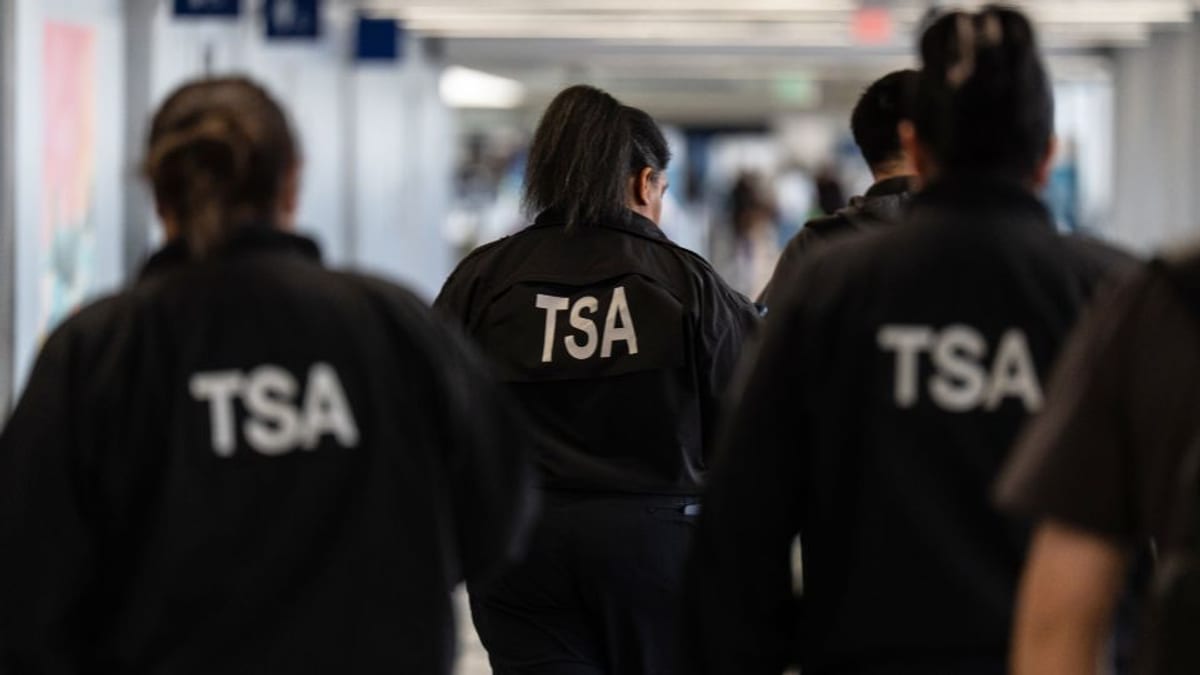
Image by yahoo.com
Busy spring travel collides with funding stalemate
The latest wave of spring break and Easter holiday travel is converging with an unresolved dispute in Washington over how to fund the Department of Homeland Security, including the TSA. Publicly available information shows that TSA officers have been required to remain on the job even as their pay has been delayed during the partial shutdown, heightening concerns about staffing and morale as crowds swell.
Traffic through many major hubs is expected to rival or exceed 2025 volumes for the same period, according to airline capacity schedules and airport advisories. At airports in Atlanta, Houston, Chicago and the New York region, social media posts and local coverage throughout the week have highlighted security lines stretching for hours at peak times, with some passengers missing flights despite arriving well ahead of departure.
Travel industry groups have warned in open letters that sustained disruptions at security checkpoints could ripple far beyond this weekend, particularly with large-scale events such as the 2026 World Cup and the United States’ 250th anniversary celebrations on the horizon. Their messages argue that a stable, reliably paid TSA workforce is essential to keeping air travel moving during these high-demand periods.
For now, travelers heading out this weekend are being urged by airports and airlines to arrive significantly earlier than usual and to be prepared for uneven conditions from one terminal or city to the next, depending on how local staffing levels are holding up.
Executive order offers relief, but pay timeline remains murky
In an effort to ease pressure on the system, President Donald Trump signed an executive order on Friday directing the Department of Homeland Security to resume pay for TSA officers using previously authorized funds, according to coverage from national news outlets. The move followed days of visible strain at security checkpoints and intense public scrutiny of the shutdown’s impact on aviation.
Homeland Security’s leadership has indicated through public statements that officers could begin seeing pay as soon as Monday, March 30, with back pay for the missed checks to follow. However, reports also note that agencies are still working through the mechanics of how and when the money will reach individual employees, leaving many officers uncertain about their immediate finances as they report for duty this weekend.
Labor advocates and travel analysts cited in recent reporting have welcomed the prospect of restored pay but cautioned that the effects will not be instantaneous. Many officers are still catching up on rent, utilities and other bills after weeks without a paycheck, and some have already taken on second jobs or left the agency altogether, steps that cannot be reversed overnight even if funding resumes.
The ambiguity around the timing of payments has become a central source of tension. Online forums for federal employees and TSA staff reflect a mix of relief that an order has been signed and anxiety that any delay or political reversal could once again interrupt their income just as the busy summer travel season approaches.
Staffing strains drive long lines and creative stopgaps
As air travelers funnel into airports this weekend, they are encountering security operations that look different from the usual routine. National and local coverage shows that Immigration and Customs Enforcement officers have been redeployed to several large hubs to handle tasks such as monitoring exit lanes and assisting with crowd control, allowing trained TSA screeners to concentrate on front-line security checks.
Despite these measures, many airports remain stretched. A number of TSA officers have reportedly called out or quit since paychecks first lapsed in mid March, and some smaller airports have publicly acknowledged that temporary service reductions or schedule adjustments may be necessary if staffing falls further. In Alaska and other smaller markets, officials have raised the possibility that certain checkpoints or, in extreme cases, entire terminals could close if adequate security coverage cannot be maintained.
Major gateways such as Hartsfield Jackson Atlanta International and Houston’s George Bush Intercontinental have issued advisories telling passengers to allow three to four hours for security screening at peak times. Local news in several cities has documented serpentine queues snaking through concourses, with airport volunteers passing out water and directing travelers to less congested checkpoints in an effort to keep tempers from flaring.
Even where wait times remain manageable, the sense of unpredictability is shaping traveler behavior. Some passengers are opting for earlier flights or off peak departure times, while others are connecting through alternative hubs in hopes of avoiding the longest lines, a pattern that can shift congestion from one airport to another with little warning.
TSA workforce faces deeper uncertainty beyond this weekend
Behind the scenes of this weekend’s travel crunch lies a broader debate over the long term treatment of the TSA workforce. Advocacy groups representing federal employees have circulated letters to Congress arguing that repeated funding lapses, combined with earlier changes to collective bargaining arrangements, have left tens of thousands of security officers unsure about their future pay, benefits and workplace protections.
Testimony submitted to congressional committees over the past year has described an environment in which TSA officers already grapple with relatively low pay compared with other federal law enforcement roles, high turnover and intense performance demands. The current shutdown related disruption is being framed in those documents as a stress test that could accelerate attrition if workers conclude that their jobs no longer provide basic financial stability.
Analysts who track aviation operations note that TSA has spent years trying to improve hiring and retention, particularly in high cost metropolitan areas where private sector employers can offer higher wages. If a significant share of experienced officers leaves because of the latest pay shock, training replacements and restoring staffing to pre shutdown levels could take months, prolonging the risk of delays and inconsistent security coverage even after funding is restored.
Travel industry coalitions have responded by pressing for legislation that would guarantee continued pay for critical aviation safety and security staff during any future government funding lapse. Policy briefs circulated this month argue that shielding these workers from political impasses would protect both national security and the broader economy that depends on reliable air travel.
Travelers adapt as the busy season rolls on
For travelers, the immediate concern is how to navigate airports while the policy fight plays out. Airlines and airport operators have been issuing frequent updates through their own channels, advising customers to check security wait times where available, factor in extra time for parking and check in, and be prepared for sudden changes if staffing levels shift during the day.
Travel experts quoted in recent coverage emphasize that conditions can vary significantly even within the same metropolitan area. One airport may be operating close to normal thanks to stable staffing or assistance from other agencies, while another a short drive away struggles with extended lines. The result is a patchwork experience in which some passengers clear security in minutes and others face hours long waits.
As spring break gradually gives way to the early summer planning window, there are signs that some travelers are building this uncertainty into their decision making. Online travel forums and booking data highlighted in recent analyses suggest that a subset of passengers is favoring nonstop flights from airports with historically shorter security waits, while others are exploring rail or road alternatives for shorter regional trips.
Yet despite the turbulence, the overall demand for air travel remains robust. Airlines have not reported a significant drop in bookings tied directly to the TSA pay turmoil, indicating that many travelers are choosing to endure the inconvenience rather than cancel trips. For the foreseeable future, that means crowded terminals, anxious security officers and a travel system that continues to operate, but under a cloud of financial and political uncertainty for the people tasked with keeping it secure.