

More news on this day
Airports across the United States are preparing for another crush of spring break travelers this weekend even as uncertainty persists over how long Transportation Security Administration workers will keep getting paid amid an unresolved Department of Homeland Security funding dispute.
Get the latest news straight to your inbox!
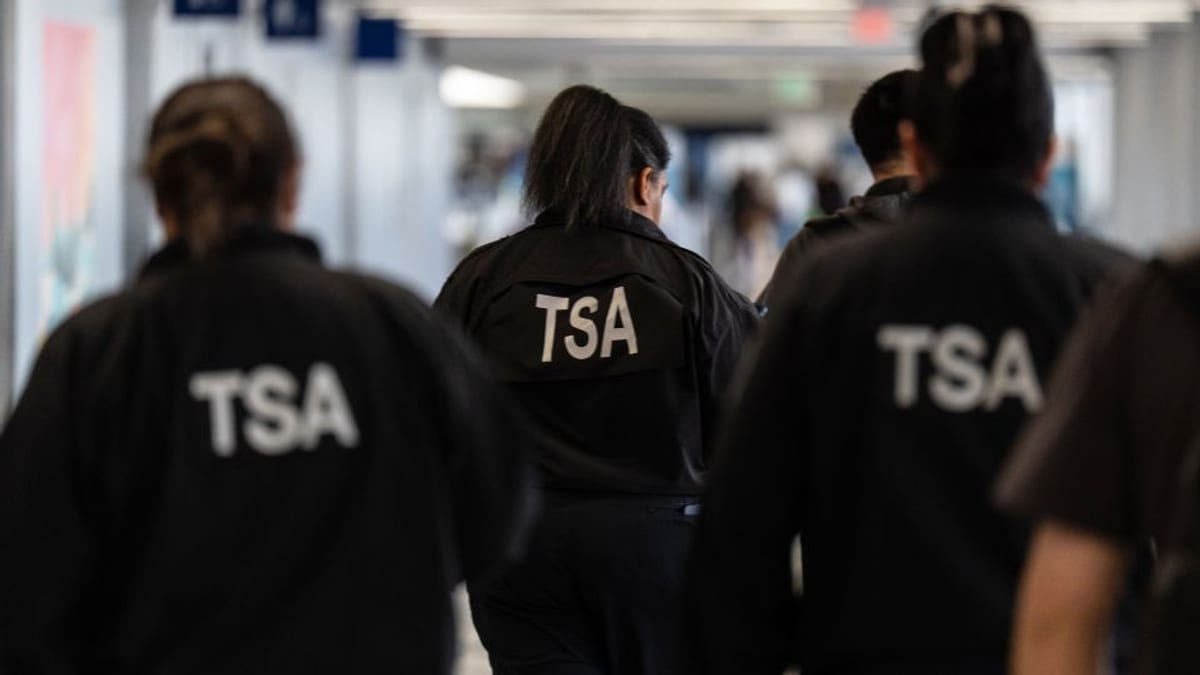
Image by Yahoo
Heavy spring traffic collides with a protracted DHS shutdown
The latest wave of airport crowds comes at a difficult moment for the federal workforce that keeps security lanes moving. A partial shutdown of the Department of Homeland Security that began in mid-February has required tens of thousands of TSA officers to report to work without regular pay, just as passenger volumes rise for spring break, Passover and Easter travel.
Publicly available data on checkpoint throughput show TSA screening nearly 2.5 to 2.8 million passengers per day during peak March weekends, matching or exceeding last year’s records. At the same time, reports from airports in Houston, Atlanta, Baltimore and the Washington region describe security lines stretching for hours on some days as staffing shortages compound the seasonal rush.
Those pressures have created wide variation across the system. Some airports continue to move travelers through security in under 30 minutes, while others have periodically closed lanes or consolidated checkpoints to cope with fewer available screeners. The result is a patchwork of experiences for passengers who may encounter smooth sailing at one airport and gridlock at another, often within the same trip.
Travel organizations warn that even modest delays can cascade during busy weekends, particularly when full flights leave little room to rebook passengers who miss departures because of long security lines.
Emergency pay order offers relief, but questions linger
In recent days, a White House executive order directing DHS to pay TSA officers for missed checks has temporarily eased some of the most immediate financial strain on workers. Published coverage indicates that officers could begin seeing back pay as early as Monday, following several weeks in which many relied on savings, credit cards, food banks or union assistance programs to get by.
The move came alongside Senate action to advance a funding package for much of DHS, including TSA. However, the underlying budget impasse has not been fully resolved, and analysts note that the executive order appears to address back wages more clearly than future pay periods. That leaves a key question for workers and travelers alike: what happens if Congress fails to lock in longer term appropriations once the immediate crisis passes from the headlines.
Labor advocates and travel industry groups have continued to call for legislation that would guarantee pay for essential aviation workers during any future lapse in funding. Several bills, such as proposals branded as aviation funding solvency or funding stability measures, have been introduced over multiple sessions of Congress but have repeatedly stalled once shutdown pressures ease.
The pattern has reinforced concern that TSA officers and other frontline employees remain vulnerable to political standoffs that have little to do with day to day airport security operations.
Staffing strains translate into uneven wait times
While the prospect of back pay has reassured some TSA employees that they will eventually be compensated for work already performed, the weeks of uncertainty have taken a toll on staffing levels. DHS figures cited in recent reporting indicate that hundreds of officers have resigned since the shutdown began, while sick calls and unscheduled absences have surged at certain locations.
At some mid sized airports, callout rates have reportedly reached levels that make it difficult to keep all checkpoints open, leading to partial closures and longer lines at those that remain staffed. To protect the largest hubs, TSA has considered or implemented temporary shutdowns or reductions in service at smaller facilities in order to redeploy personnel to the busiest gateways.
The strain is especially acute at airports that serve as major connection points for domestic and international flights. When security screening slows there, airlines may face gate holds, departure delays and missed connections that ripple across the national network. Even travelers departing from airports with relatively short TSA lines can feel the effects later in their journeys.
Airport managers and local officials have urged passengers to arrive earlier than usual for flights this weekend, in some cases recommending that travelers allow three hours or more for standard security screening. Those advisories reflect both the spring break crowds and the uncertainty over exactly how many officers will report for duty at any given checkpoint.
Travel industry presses for long term pay protections
The current standoff has reenergized efforts by airlines, airport groups, business travel coalitions and tourism organizations to secure more stable funding rules for TSA and other aviation workers. A recent joint letter from industry associations urged lawmakers to cosponsor permanent fixes that would ensure pay for essential staff during shutdowns and prevent future episodes of prolonged disruption at security and air traffic facilities.
Advocates argue that the economic stakes extend far beyond individual airports. Air travel supports millions of jobs in hospitality, meetings and conventions, trade shows and regional tourism. Prolonged security bottlenecks or periodic threats to close smaller airports can discourage discretionary trips, complicate corporate travel planning and undermine the reliability that global companies expect from the US transportation system.
Worker representatives have also pointed to the shutdown as another example of structural challenges facing TSA recruitment and retention. Even in normal times, officers earn comparatively modest wages for a high stress security role, and the risk of repeated pay interruptions may push experienced staff to seek more stable employment elsewhere.
Policy experts note that without a durable solution, each future funding lapse could reopen the same questions about whether and how to keep paying essential aviation workers, leaving both travelers and employees exposed to recurring uncertainty.
What travelers can expect heading into the weekend
For now, the practical reality for passengers is that airports will be busy and conditions may change quickly. Publicly available wait time dashboards and social media posts from airports show that security lines have fluctuated significantly from hour to hour, even at the same terminal, depending on staffing levels and flight banks.
Travel planners recommend that flyers build in extra time, especially at large hubs and at airports that have recently reported multi hour waits. Arriving early, checking bags in advance when possible and using trusted traveler programs where available can help reduce the risk of missed flights, though even those lanes have occasionally been affected when staffing is thin.
Airports and airlines continue to stress that, despite the disruptions, the aviation system remains safe. Security standards and procedures have not been relaxed, and TSA has maintained its requirement that all passengers and baggage be screened before boarding. The tradeoff, at least for the moment, is that maintaining those standards with fewer available workers can mean longer lines during peak periods.
With the shutdown now stretching into its seventh week and the emergency pay order only partially easing immediate concerns, the weekend will serve as another test of how long the system can function under strain. The experience of travelers in the days ahead may add new urgency to calls in Washington for a lasting fix to how TSA workers are paid when politics interrupts the normal budget process.