

More news on this day
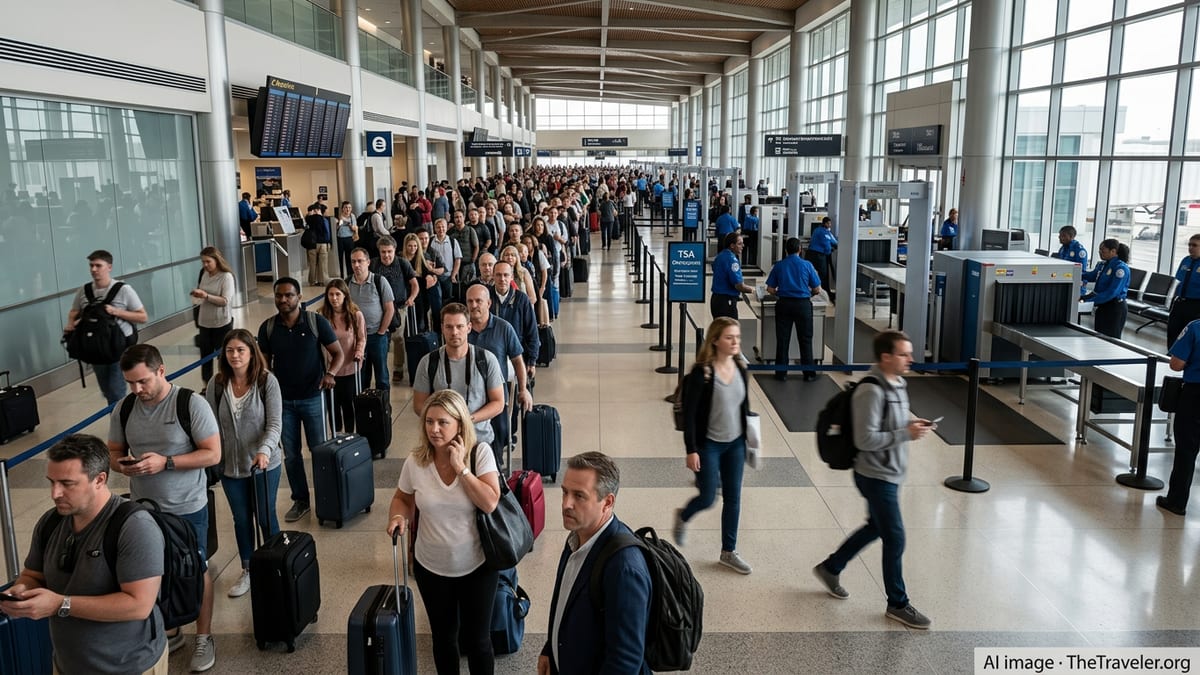
Security lines at some of the busiest U.S. airports stretched to around three hours on Sunday, as rising Transportation Security Administration worker absences during a partial federal government shutdown collided with the start of spring break travel.
Hours-Long Waits Hit Major Hubs as Spring Break Begins
Airports in several regions reported unusually long waits at security checkpoints on March 8, with local officials at Houston and New Orleans urging passengers to arrive far earlier than normal for their flights. At Houston’s William P. Hobby Airport, travelers described lines that snaked through the terminal and wait times approaching three hours at peak morning periods, as a combination of heavier seasonal demand and thinner staffing slowed screening operations.
In New Orleans, Louis Armstrong New Orleans International Airport warned passengers to arrive at least three hours before departure after a shortage of TSA officers led to backups stretching toward parking areas. Airport staff were deployed into the queues to direct frustrated passengers and help identify those at risk of missing imminent departures.
Online wait-time dashboards and social media posts from travelers at other large hubs, including George Bush Intercontinental Airport in Houston and airports in Southern California, also showed queues building through much of the day. While not every airport hit the three-hour mark, industry groups said the pattern of rolling delays underscored how vulnerable the system has become after months of budget uncertainty and workforce strain.
Shutdown Fallout Fuels TSA Absences and Attrition
The current partial government shutdown, centered on funding for the Department of Homeland Security, has forced tens of thousands of TSA officers to continue working without their full pay while the political impasse drags on. Historically, such lapses in funding have triggered spikes in unscheduled absences as some workers seek temporary jobs or struggle to cover basic expenses.
In recent testimony to Congress, TSA leadership acknowledged that more than a thousand officers left the agency in the weeks immediately following last year’s prolonged shutdown, a departure rate more than a quarter higher than the previous year. That wave of attrition has left many checkpoints starting this spring with fewer experienced officers, even before the latest funding lapse began.
Union representatives say the newest shutdown has compounded those challenges, as officers confront the prospect of delayed paychecks once again. While federal law guarantees back pay when funding is restored, that promise does not address the immediate reality that many screeners live paycheck to paycheck and face mounting bills today. The result, airport officials say, is a staffing picture that can change rapidly from shift to shift, translating into unpredictable wait times for travelers.
Airports and Airlines Scramble to Manage Passenger Flow
Airport operators and airlines have stepped up efforts to blunt the impact on travelers, expanding real-time communication and reassigning staff to manage the longest lines. At airports in Houston and New Orleans, public address announcements and terminal displays on Sunday repeatedly urged passengers to build in additional time before flights, with many carriers suggesting arriving three hours early even for domestic departures.
Some airports have consolidated security lanes to concentrate the limited number of TSA officers in high-volume areas, a move that can shorten waits for certain checkpoints but may lengthen them for others. In a few cases, facilities have temporarily closed dedicated lanes for expedited programs during off-peak periods to free up officers for the standard lines.
Airlines, meanwhile, are adjusting boarding times and gate procedures where possible, but executives say their room to maneuver is limited, particularly at capacity-constrained hubs. While carriers can delay departures slightly to accommodate passengers stuck in security lines, they must also contend with tight aircraft rotations and crew duty rules that make extended holds difficult. The result has been an uptick in missed flights and same-day rebooking requests, especially on popular leisure routes.
Travel Industry Pressures Washington as Spring Peak Looms
The broader travel industry has intensified its lobbying campaign in recent days, warning lawmakers that prolonged instability in federal aviation staffing threatens both safety and the economic recovery of tourism-dependent regions. Trade associations representing airlines, airports, and travel advisors have urged Congress to move quickly on targeted legislation ensuring uninterrupted pay for TSA employees during funding lapses, arguing that predictable paychecks would reduce absentee spikes and help retain experienced officers.
Industry groups point to the current wave of delays as a preview of what could unfold later in March and April, when spring break traffic typically peaks and family travel surges across domestic and international routes. If the shutdown persists, they say, even modest increases in absenteeism could push more airports beyond the three-hour threshold, particularly in the early morning and late afternoon banks when flights cluster.
Local tourism boards are also sounding the alarm, concerned that images of crowded terminals and missed vacations could dissuade visitors from booking trips in the crucial shoulder season. Some are working with airports to expand volunteer programs inside terminals, helping direct passengers to less crowded checkpoints and offering basic assistance to those caught in the longest waits.
What Travelers Can Expect in the Coming Days
For now, officials emphasize that air travel remains safe and that all passengers are still being screened, though often at a slower pace. With no immediate breakthrough reported in Washington over Homeland Security funding, however, both TSA managers and airport executives are bracing for continued volatility in staffing levels and wait times in the days ahead.
Travelers planning to fly in the next week are being advised to closely monitor guidance from their departure airport and airline, which often provide updated estimates for security waits, and to arrive earlier than usual, especially during early morning and weekend departures. Those with tight connections at large hubs may want to consider building in extra buffer time or avoiding the most congested transfer points when possible.
Behind the scenes, senior transportation officials and industry leaders are warning that restoring stability will take time even after the shutdown ends. Rehiring and retraining officers who have left the agency, rebuilding morale among those who remain, and recalibrating staffing models for peak travel periods could stretch well into the busy summer season. Until then, passengers moving through the nation’s largest airports may continue to find that the journey to the gate takes far longer than the flight itself.