

More news on this day
As spring travel ramps up on Friday, April 3, travelers flying through Atlanta, Charlotte and the Washington region’s three major airports are still navigating uneven Transportation Security Administration wait times, even as recent reports suggest conditions are slowly improving from the worst of the shutdown-related disruptions.
Get the latest news straight to your inbox!
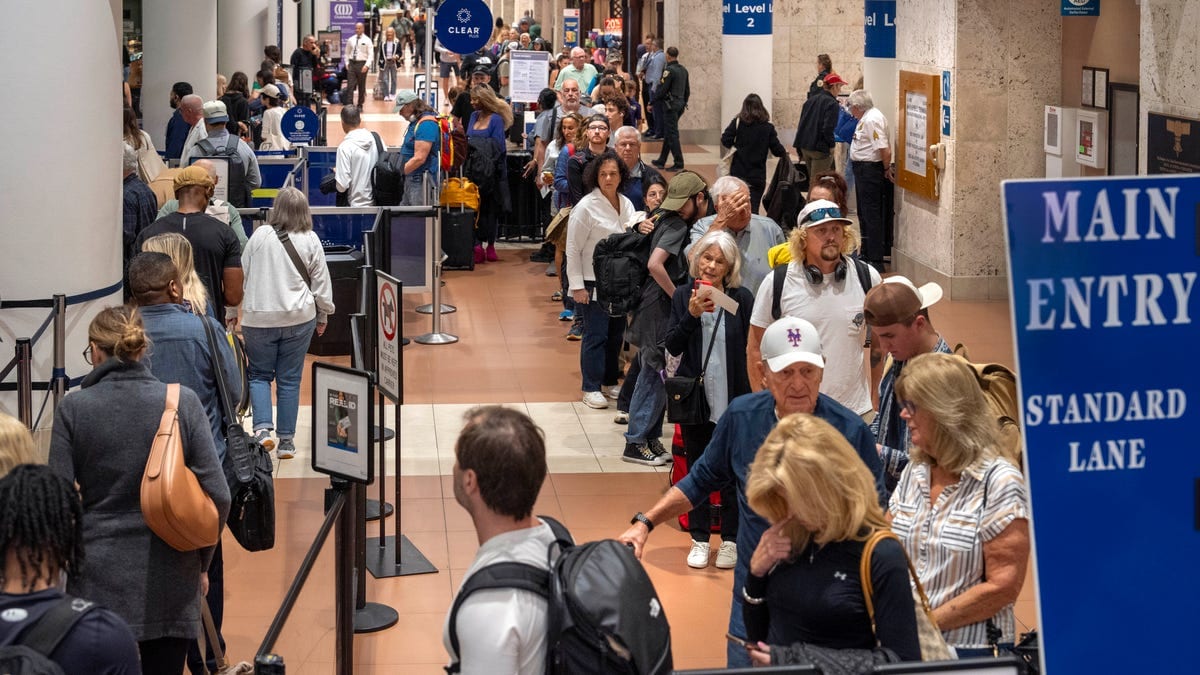
Atlanta’s Hartsfield-Jackson: Busy Day, Moderating Lines
At Hartsfield-Jackson Atlanta International Airport, one of the world’s busiest hubs, publicly available projections show Friday, April 3 could be among the airport’s heaviest travel days on record, with more than 100,000 security screenings expected. Recent coverage indicates that the airport anticipates surpassing prior single-day screening records set in 2024, underscoring the volume of passengers moving through checkpoints today.
Airport updates and local reporting suggest that, despite the high throughput, security lines have improved compared with late March, when the federal funding standoff produced multi-hour backups. In the last several days, traveler accounts describe mid-day waits that are far shorter than the peak of the disruption, with some passengers clearing security in under an hour and others, particularly those using expedited programs, reporting minimal delays.
Travel advisories, however, remain conservative. Guidance shared in local media and airport communications is still urging passengers departing Atlanta to arrive about two and a half hours before domestic flights, reflecting the risk that wait times can spike quickly during early morning and late afternoon surges. Community-sourced data also notes that official digital wait-time dashboards have occasionally understated congestion, prompting some travelers to build in extra time.
For passengers connecting through Atlanta, the practical impact is that today’s TSA experience is highly time-of-day dependent. Late-morning and mid-afternoon windows are trending closer to typical major-hub conditions, while pre-dawn and evening peaks can still see long snaking lines, especially in standard screening lanes.
Charlotte Douglas: High Volume With Sustained Midrange Waits
At Charlotte Douglas International Airport, a key connecting hub in the Southeast, online trackers and crowd-sourced tools this morning point to moderate but persistent security delays. One widely used wait-time tool lists current standard screening at around three quarters of an hour, with recommended arrival times exceeding three hours before departure for some international flights.
These estimates reflect both the continuing national staffing strain at security checkpoints and Charlotte’s role as a major transfer point. While Charlotte has largely avoided the headline-grabbing four-hour queues seen at some other airports in March, the typical traveler today should still plan for a solid 45 minutes in line at peak times, and potentially longer during the early-morning rush when banked departures push more passengers into the checkpoints at once.
Travel guidance published in recent weeks has consistently grouped Charlotte with other large hubs where security is considered complex and sensitive to small staffing changes. That means conditions can shift quickly. Midday or late-evening departures may see shorter waits than online estimates imply, but early departures, particularly ahead of popular leisure flights, are more likely to encounter bottlenecks.
For flyers using trusted traveler programs, available reports suggest improved consistency, with many clearing security at Charlotte in under 20 minutes today. Still, with overall volumes elevated, even those lanes can back up when multiple flights depart within the same hour.
Washington Dulles: Within Normal Ranges but Not Immune
At Washington Dulles International Airport, official airport information and recent updates describe security screening as operating within normal ranges for this time of year. The airport’s own public messaging in late March indicated that TSA lines remained steady despite the broader federal shutdown-related pressures, and that trend appears to be continuing into this weekend.
Traveler reports from the Washington region over the past week describe relatively manageable waits at Dulles, particularly outside the pre-dawn rush. Some passengers cited checkpoint experiences around 15 minutes when using early-morning TSA PreCheck, aligning with estimates from the MyTSA mobile application, while standard lanes were somewhat longer but generally under an hour outside peak periods.
This does not mean Dulles is immune from delays today. With heavy spring-break and holiday traffic, lines can still stretch and contract quickly, especially when several long-haul international flights depart near the same time. The airport’s layout, with multiple security points feeding to underground trains and walkways, also means perceived congestion can shift between areas during the day.
For travelers heading through Dulles, the overall picture today is one of relative stability: waits that are noticeable but typically not extreme, provided passengers arrive in line at least two hours before domestic flights and closer to three hours before international departures.
Reagan National: Short Lines at Off-Peak, Spikes During Rush
Ronald Reagan Washington National Airport, which handles a dense schedule of short-haul flights, has seen more variability in TSA wait times. Recent social media posts from local travelers described essentially no line at one checkpoint late in the morning last weekend, underscoring how quickly conditions can improve once the morning rush subsides.
At the same time, the airport’s compact footprint and concentration of departures during peak business hours continue to create pressure on security lanes. Morning and late-afternoon periods are particularly vulnerable, when passengers bound for Boston, New York and other East Coast destinations converge on the same checkpoints. Today’s pattern is following that familiar curve, with relatively light waits around the late morning, then renewed crowding in the evening.
Compared with some larger hubs, Reagan National benefits from shorter walking distances from check-in to security and from security to gates, which can offset some of the impact of a 20 to 30 minute wait. However, published guidance during the shutdown has still urged travelers in the Washington region to treat TSA waits conservatively and avoid arriving just an hour before departure, especially if checking bags.
For passengers connecting through Reagan National or starting early-day trips from the capital, the risk remains concentrated around the first wave of departures. Those able to travel in the late morning or early afternoon are more likely to encounter today’s best-case scenario: short, fast-moving lines that resemble pre-crisis norms.
Baltimore-Washington International: From Four-Hour Alerts to Cautious Optimism
Baltimore-Washington International Thurgood Marshall Airport has been among the more visible examples of how quickly TSA conditions can change. Over the past week, regional travel coverage documented security lines stretching outside the terminal and guidance urging passengers to arrive up to four hours early, as high sick-out rates among screeners forced some lanes to close and created backups that lasted much of the day.
By midweek, broader national reporting indicated that TSA staffing had begun to stabilize as federal pay issues were addressed, and security lines at many airports, including BWI, started to ease. Photographs and firsthand reports early this week showed shorter, more manageable queues at BWI’s checkpoints compared with the prior weekend, although wait times still fluctuated sharply between concourses.
Travelers have also flagged discrepancies between official online wait-time estimates and actual experience at BWI, with some noting that a “one-minute” posted wait masked a significantly longer line in the terminal. As a result, many frequent flyers in the region continue to recommend arriving substantially earlier than digital tools might suggest, particularly for morning departures and flights departing from concourses that saw recent checkpoint closures.
As of today, BWI appears to be transitioning from crisis-level congestion toward merely busy spring-break conditions. That means lines can still stretch for 45 minutes or longer during peaks, but the extreme, hours-long waits reported during the worst days of the shutdown are becoming less common. For most travelers, planning to arrive at least three hours before departure remains the safest strategy.