

More news on this day
Hours long waits at Transportation Security Administration checkpoints are rippling across U.S. airports this week, as a partial federal government shutdown forces unpaid officers to work reduced shifts, closes trusted traveler lanes and triggers growing travel chaos at the outset of spring break season.
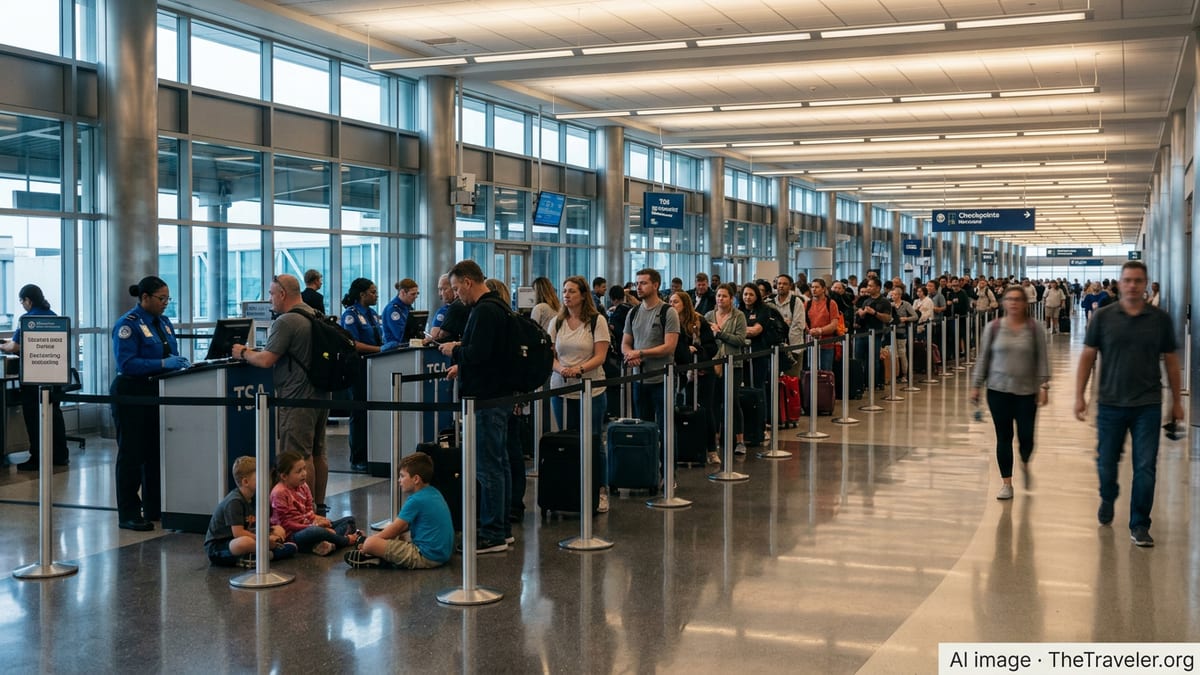
Shutdown Drives Hours Long Security Queues at Key Hubs
From Houston to New Orleans and beyond, airport security lines stretched for up to three hours or more over the weekend of March 8 and 9, as the shutdown of the Department of Homeland Security increasingly hit front line TSA operations. At Houston’s William P. Hobby Airport, average waits reached about three and a half hours during peak times on Sunday, according to airport officials, with some passengers reporting missed flights despite arriving well before departure.
Louis Armstrong New Orleans International Airport warned travelers on Sunday that they should arrive at least three hours before departure, later advising that waits could last up to two hours at security and that similar conditions were likely to persist into this week. Social media posts showed snaking queues that filled the terminal and spilled into ticketing areas, with families and college students stuck in place as the spring break rush collided with diminished staffing.
Officials at Houston’s larger George Bush Intercontinental Airport reported more modest delays but still urged passengers to build in extra time. Other hubs, including Atlanta, reported compounding disruptions as severe weather related flight delays overlapped with slower than usual screening operations, intensifying passenger frustration.
With TSA’s national workforce already stretched thin by long running recruitment and retention problems, the sudden loss of paychecks has pushed the system to a breaking point in some locations. The result is a patchwork of conditions, with some airports still moving travelers through in under half an hour while others see lines measured in hours.
Unpaid Officers, Sickouts and Closed Lanes Strain TSA Capacity
The Department of Homeland Security funding lapse began in mid February, but the impact on TSA intensified as officers missed their first full paychecks and more staff began calling in sick or seeking temporary work elsewhere. While TSA employees are classified as essential and must report for duty, unions and officers say financial strain is making it difficult for some to cover basics like rent, child care and transportation to work.
Airport operators in Houston said TSA checkpoints at Hobby Airport operated Sunday on what they described as limited capacity, with not all lanes open and the dedicated PreCheck lane temporarily shut to concentrate scarce staff on standard screening. Similar reports have emerged from other airports, where trusted traveler and premium lanes are being curtailed or merged into general lines, eroding one of the key tools airports use to manage peak crowds.
New Orleans officials said staffing shortages at TSA checkpoints were the direct cause of longer than average lines, and that fluctuating call out rates from shift to shift made it difficult to predict when lines would spike. Federal officials have acknowledged that TSA absenteeism is rising, though they maintain that core security standards remain intact even as throughput slows.
Industry analysts warn that the situation could worsen further if the shutdown drags on and another missed payday compounds financial pressures on front line officers. Some airports have begun reassigning non security staff to help manage queues, distribute water and communicate wait times in an effort to reduce tensions inside crowded terminals.
Spring Break Travel Rush Magnifies Disruptions
The timing of the shutdown related staffing crunch is particularly damaging for the travel industry, arriving just as millions of Americans head to beaches, ski resorts and family gatherings for spring break. Airlines and airports had anticipated a strong March following robust winter holiday demand, but the security bottlenecks are now forcing schedule adjustments, missed connections and a wave of customer service challenges.
In Houston, airport officials estimate that more than two million passengers will pass through the city’s two airports during the spring break period, magnifying the impact of every slowdown at the checkpoint. With lines at Hobby at times exceeding 180 minutes, carriers have been forced to hold some departures, rebook stranded travelers and warn passengers to arrive vastly earlier than they might in normal conditions.
Travel advisors say they are fielding a surge of calls from anxious clients unsure whether to proceed with trips or attempt to reroute through less congested airports. Some are opting for very early morning or late night flights in hopes of avoiding the longest lines, though TSA staffing shortages can hit off peak periods as well if officers are out sick or shifts go understaffed.
On top of the immediate inconvenience, the sight of multi hour lines is reviving memories of previous shutdowns and raising new questions about the resilience of the aviation security system. With MyTSA app wait time data not being reliably updated during the shutdown, travelers have fewer tools to plan around delays, adding to the sense of uncertainty.
Political Blame Game Intensifies as Passengers Fume
As images of backed up security lines spread across television and social media, political leaders in Washington and in affected cities have traded accusations over who is responsible for the latest shutdown and its consequences. The White House and allied lawmakers have argued that opponents in Congress are blocking Homeland Security funding over unrelated policy disputes, while critics say the administration bears responsibility for failing to find compromise earlier.
In New Orleans, Mayor Helena Moreno publicly linked the airport’s staffing crunch to Congress, saying that the funding stalemate was directly translating into longer lines for her city’s residents and visitors. Nationally, passenger advocacy groups have urged both parties to treat aviation security as a basic service that should be buffered from brinkmanship, warning that uncertainty over TSA operations erodes confidence in air travel more broadly.
For travelers stuck in line, the politics mattered less than the practicalities. Many reported paying extra for rideshares to arrive four or five hours before departure, reorganizing family schedules or sleeping on terminal floors after missing last flights of the night. The combination of stressed workers and frustrated passengers has raised concerns about morale on both sides of the checkpoint.
Airports, which have little direct control over federal screening operations, are pushing for clearer communication on staffing levels and expected wait times so they can adjust terminal access, concession hours and airline check in practices to better match the new reality.
Airports and Travelers Pivot to Contingency Mode
In response to the unfolding disruption, airport authorities across the country are ramping up contingency plans. Some are opening additional queuing space in parking structures and unused concourses to keep crowds from spilling into roadways. Others are deploying more volunteers and customer service staff to help direct passengers to the shortest available lines and answer questions about changing procedures.
Houston Airports has published detailed guidance urging passengers at both Bush Intercontinental and Hobby to arrive at least three hours early for domestic flights and four hours for international departures until further notice. New Orleans officials have issued similar recommendations and signaled that more ad hoc adjustments could come if staffing dips further at key checkpoints.
Travel experts advise flyers to check their airline’s app frequently on the day of departure, allow substantially more time than usual for security and be prepared for limited access to expedited screening programs while the shutdown continues. Families and groups are being urged to pack light, keep identification documents easily accessible and coordinate meetups inside the terminal only after passing through security in case one member is delayed.
With no definitive timeline for resolving the funding impasse, the prospect of days or weeks of rolling delays looms large. For now, both airports and airlines are locked in a delicate balancing act: trying to keep travelers moving through the system while a critical layer of the aviation infrastructure operates under unprecedented financial and staffing strain.