

More news on this day
Mounting frustration over unpaid Transportation Security Administration officers during the latest Department of Homeland Security funding lapse is spilling into airport terminals nationwide, as the government deploys immigration officers to bolster strained checkpoints and air travelers increasingly call for security workers to receive their pay.
Get the latest news straight to your inbox!
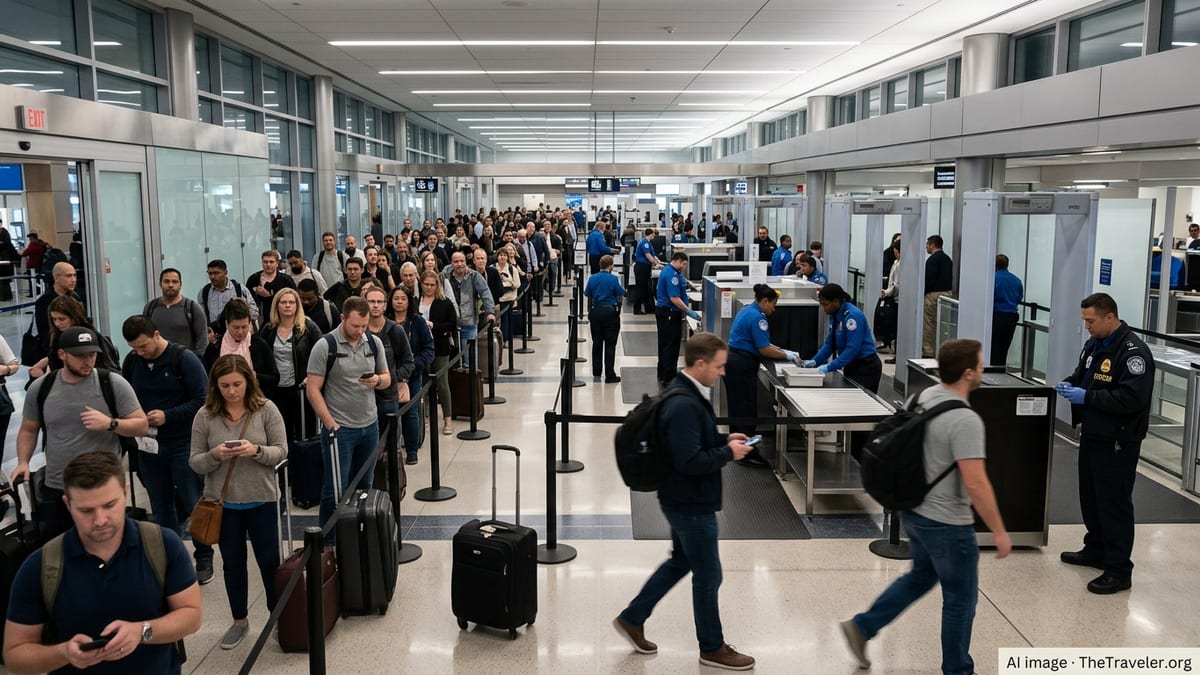
Immigration Officers Shifted Into Airports Amid Staffing Crisis
Publicly available information indicates that the administration has ordered federal immigration officers to U.S. airports to support Transportation Security Administration operations as the shutdown drags on. Reports describe the officers taking over duties such as guarding exit lanes and checking identification documents so that trained screeners can concentrate on X-ray machines and pat-downs.
The move comes as hundreds of thousands of Homeland Security personnel are affected by the budget impasse, with TSA officers required to report for duty even as regular paychecks have stopped. Coverage from major news outlets describes growing concern that the added law enforcement presence could heighten tensions in already crowded terminals, where passengers are facing extended waits and uncertainty over flight schedules.
According to recent reporting, the decision to deploy immigration officers is framed as a way to keep airport security functioning without additional funding from Congress. However, travel and civil liberties advocates quoted in national coverage have raised questions about the visibility of immigration enforcement in spaces where travelers are already under stress, warning that it may alter the tone of routine domestic trips.
The increased presence of armed officers also underscores the extent of the staffing shortfall inside TSA itself, where attrition has accelerated since the shutdown began and sick calls are climbing at some major airports. Analysts following the agency say the reassignment of personnel from other branches of Homeland Security reflects a stopgap approach rather than a sustainable staffing solution.
Unpaid TSA Officers Face Mounting Financial Strain
Across the country, nonpay status is taking a visible toll on frontline security workers. Recent data cited in national reporting indicates that well over 300 TSA officers have resigned since the shutdown began in mid-February, with some outlets now putting the figure above 400 as the lapse approaches six weeks. That turnover compounds longstanding recruitment and morale challenges at an agency already known for high attrition.
Articles from major domestic news organizations describe officers facing eviction notices, vehicle repossessions and empty refrigerators as missed paychecks accumulate. Union representatives and current employees quoted in that coverage report that some screeners are taking on gig work or second jobs after long shifts at the airport simply to keep up with rent and utilities.
Airport and community organizations are also attempting to fill gaps. According to published coverage, food banks, airport-backed donation drives and national relief charities have stepped in to provide boxed groceries, meals and gift cards to unpaid officers at airports from Washington to San Diego. Social media posts and local news stories highlight collection bins at terminals and community-organized fundraisers designed to support TSA staff.
Yet even with this patchwork assistance, observers warn that the financial strain could prompt more officers to leave their posts if the impasse continues. Travel industry groups and former security officials writing in op-eds argue that the erosion of experienced screening staff may have implications for both security effectiveness and the passenger experience long after funding is restored.
Travelers Confront Hourslong Lines and Disrupted Journeys
For passengers, the most visible effect of the shutdown is at the checkpoint itself. Reports from major hubs such as Atlanta and Dallas Fort Worth describe security lines stretching for hours, with some travelers urged to arrive three hours or more before domestic departures to avoid missing flights. Social media accounts and local news segments show snaking queues filling terminal halls, along with departure boards reflecting cascading delays.
According to recent travel coverage, callout rates for TSA officers have climbed into double digits on many days, and certain airports have seen periods when more than half of scheduled screeners were absent. These shortages force the closure of some security lanes, which concentrates crowds into fewer checkpoints and amplifies delays. Travel advisors note that even minor operational disruptions elsewhere in the system can quickly ripple outward when staffing is this tight.
Airlines and airport operators are also publicly voicing concern. Statements cited in business press reports indicate that some carriers are warning of risks to the broader aviation system if the shutdown continues into the busy spring and summer travel seasons. Executives have characterized unpaid frontline workers as being used as bargaining pieces in a political dispute, arguing that prolonged uncertainty undermines traveler confidence.
Tourism analysts observing booking patterns say that while demand for air travel remains resilient for now, prolonged disruptions at key hubs could influence future trip planning, particularly for discretionary leisure travel. Industry associations representing tour operators and travel agents have circulated guidance on how to communicate potential checkpoint delays and shutdown-related risks to customers.
Public Opinion Coalesces Around Paying Security Workers
At the terminal level, many travelers appear to be setting aside political divides in favor of a simple message: security officers should be paid. Recent on-the-ground reporting from airports such as Atlanta and Dallas Fort Worth shows passengers describing nearly four-hour lines yet voicing support for TSA workers, emphasizing that they themselves rely on regular income and rising costs of living.
Some travelers interviewed in national and local coverage have said they are bringing small tokens of appreciation to checkpoints or offering verbal thanks to officers as they pass through. Online forums are filled with posts urging the public to treat screeners respectfully, even when tempers fray in slow-moving lines, and to participate in donation drives aimed at helping unpaid federal workers.
Advocacy groups and unions have amplified those sentiments, arguing in public statements that aviation security should not be contingent on whether officers can cover their household bills. Policy analysts contributing to opinion pages add that even short shutdowns can have lasting impacts on specialized workforces, particularly if experienced personnel decide they can no longer accept the financial volatility associated with federal service.
The dynamic has created an unusual alignment between frequent business travelers, leisure passengers and labor organizations, many of whom are pressing for an immediate resolution to the funding dispute or, at minimum, targeted legislation that would guarantee compensation for essential security personnel during any future shutdowns. Observers say that as long as the impasse persists, the focus on unpaid TSA officers is likely to remain a central point of pressure on policymakers in Washington.