

More news on this day
America’s airport security system is under intense strain as Transportation Security Administration callouts surge to record levels and more than 500 officers exit the agency amid an ongoing Department of Homeland Security funding standoff.
Get the latest news straight to your inbox!
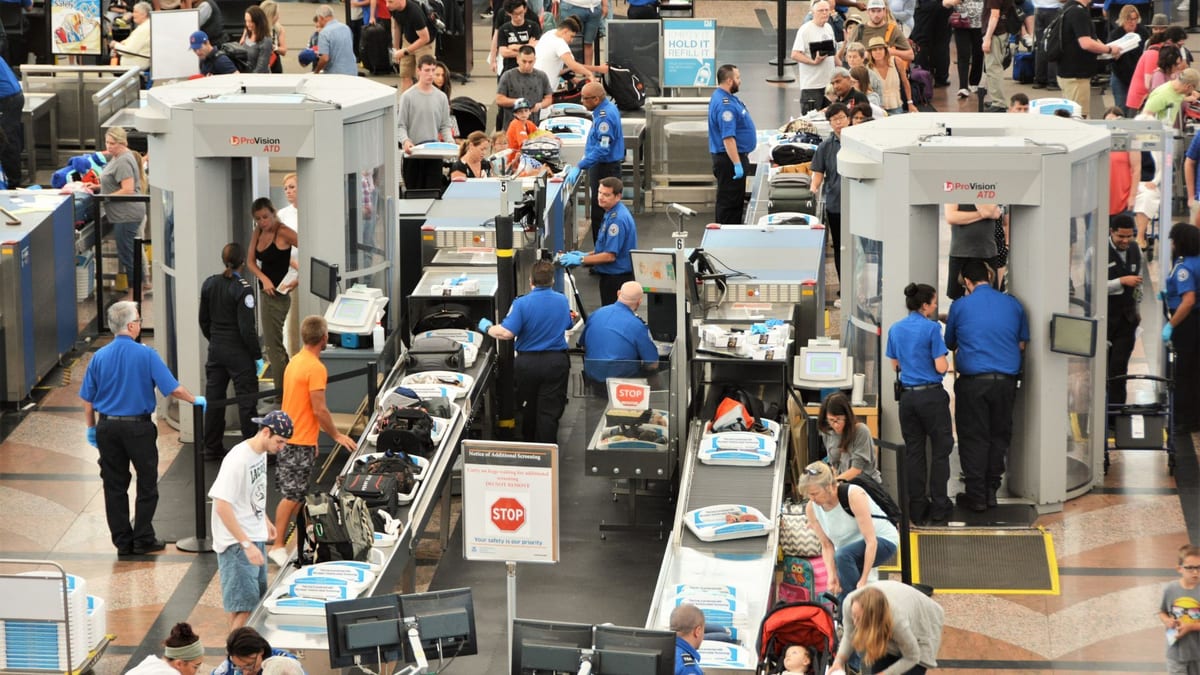
Image by Simple Flying - Aviation News
Record Sickouts Push TSA to Breaking Point
Publicly available data show that unscheduled absences at TSA checkpoints have climbed far beyond normal patterns in recent weeks. At several points during the current partial shutdown of the Department of Homeland Security, more than 10 percent of the agency’s roughly 50,000 screening officers have called out on a single day, compared with typical callout rates closer to 2 percent. At some of the country’s busiest hubs, local absenteeism has been far higher, with internal tallies cited in news reports indicating callout rates topping 40 percent at airports in cities such as Atlanta and Houston.
The spike in absences coincides with a prolonged period in which TSA employees have been required to report to work without pay. According to published coverage drawing on agency statistics, callout levels rose sharply after officers received their first zero-dollar paycheck, and have remained elevated as the shutdown dragged past the five-week mark. On several days this month, more than 11 percent of the national TSA workforce was off the schedule, marking the highest absentee rates since the agency was created in the aftermath of the September 11 attacks.
These staffing gaps are reverberating across the aviation system just as spring break travel drives passenger volumes higher. Multiple airports have temporarily shuttered security lanes or entire checkpoints because there were not enough officers to operate them. Airport operators and airline representatives have reported screening capacity running at only one-third to one-half of normal levels at some hubs, creating a cascading effect on queues, departure times and missed connections.
Travel industry analysts note that even if funding for the agency is restored quickly, the strain of weeks without pay may have lasting effects on morale and attendance. Observers point out that many front-line officers already earn modest salaries and are particularly vulnerable to missed paychecks, which can translate into difficult daily decisions about transportation, childcare and housing that make it harder to reliably report to work.
Over 500 TSA Officers Quit Amid Prolonged Shutdown
Alongside the unprecedented surge in sickouts, TSA is now confronting a wave of resignations. Aggregating figures cited by the Department of Homeland Security and reports from outlets including the Associated Press and regional broadcasters, more than 500 officers are estimated to have left the agency since the shutdown began in mid-February. That tally represents a sharp acceleration from the already high annual attrition TSA typically sees in its transportation security officer ranks.
In ordinary years, internal workforce studies have found that TSA loses several thousand officers annually, with many leaving for better-paying jobs in local law enforcement or the private sector. The current exodus, however, is compressed into a matter of weeks and is occurring at a moment when passenger demand is rising and global events such as the 2026 FIFA World Cup are expected to place even more pressure on airport security capacity later this year.
Public statements by union leaders and former officers highlight how the pay disruption is pushing some employees to depart sooner than they otherwise would. News features have documented cases of officers draining savings, taking on second jobs, or turning to food banks to make ends meet. For some, the uncertainty of when paychecks will resume and concern about future shutdowns has become a tipping point, making alternative employment with steadier income more attractive than remaining in a critical but financially precarious federal role.
Because it typically takes four to six months to recruit, vet and train new screening officers before they can work independently at checkpoints, workforce specialists warn that the loss of more than 500 experienced staff in a short window will be difficult to quickly reverse. Even an aggressive hiring push would not fully offset that attrition before the peak summer travel season, raising the prospect of rolling staffing problems throughout the year.
Long Lines, Closed Lanes and Growing Traveler Frustration
For travelers, the most visible manifestation of TSA’s staffing crisis is playing out in security lines that snake through terminals and, in some cases, out into public concourses. Reports from several major U.S. airports describe passengers waiting two to four hours to clear checkpoints on peak days, with some facilities warning customers to arrive at least three hours early for domestic flights and even longer for international departures.
Airport managers have responded by consolidating operations, sometimes closing smaller checkpoints and funneling passengers through a limited number of screening lanes in order to keep at least some capacity functioning throughout the day. While this approach can concentrate remaining staff and equipment, it also contributes to the perception of chaos as crowds are compressed into fewer spaces, increasing the risk of missed flights and frayed tempers.
Airlines are likewise feeling the effects. Public information from flight-tracking services shows elevated levels of departure delays at several large hubs correlating with the most acute TSA staffing shortages. Some carriers have temporarily relaxed change-fee policies or urged customers to rebook away from peak travel times, citing uncertainty about how long it will take passengers to move through security.
Travel advisors say the situation is particularly challenging for families, elderly travelers and those making tight connections through congested airports. With wait times fluctuating widely based on time of day and local staffing, conventional rules of thumb about when to arrive at the airport have become less reliable, making advance planning more complicated for both leisure and business travelers.
ICE Backup and the Risks of a Strained Security Net
As TSA’s internal staffing options have narrowed, publicly available reports indicate that the federal government has turned to another arm of the Department of Homeland Security for backup. In recent days, U.S. Immigration and Customs Enforcement personnel have been deployed to more than a dozen airports to assist with tasks at security checkpoints, an extraordinary step that underscores the depth of the shortfall in trained TSA officers.
According to coverage from national and international news outlets, these ICE officers are being used to help manage queues and perform certain screening-adjacent duties while TSA retains responsibility for primary security functions. Even so, aviation safety advocates and civil liberties groups have raised questions about the long-term implications of relying on immigration agents to support routine passenger screening, including concerns about mission creep and traveler perceptions.
Security experts caution that any hurried reconfiguration of checkpoint staffing increases the risk of errors and inconsistent procedures. While there have been no publicly documented security breaches linked directly to the current staffing crisis, analysts note that sustained pressure on front-line personnel, frequent last-minute shift changes and ad hoc redeployments can erode the multiple layers of protection that airport screening is designed to provide.
Some airport executives have also expressed worry that continued dependence on ICE reinforcements could become normalized if TSA is unable to rebuild its workforce quickly. That scenario, they argue, might complicate planning for major upcoming events, when both immigration enforcement and aviation security are likely to face simultaneous surges in demand.
What Travelers Can Expect in the Weeks Ahead
With the shutdown now stretching beyond 40 days and no comprehensive funding deal yet enacted, there is little indication that TSA’s staffing challenges will resolve immediately. Public schedules for congressional negotiations suggest that even if lawmakers reach an agreement in the coming days, the administrative steps required to restart pay and ramp up hiring could lag behind, leaving airports to manage the fallout well into April.
Travel organizations and airport authorities are advising passengers to build additional time into their journeys, monitor airport social media channels for real-time updates on checkpoint conditions, and consider avoiding peak travel windows when possible. Frequent travelers with access to expedited screening programs may see somewhat shorter lines, but reports from several hubs indicate that even these lanes have experienced unusual backups on some days.
Industry analysts warn that the underlying issues driving TSA attrition are unlikely to disappear once paychecks resume. Persistent concerns over compensation, unpredictable hours and the stress of front-line security work have fueled high turnover for years. The current crisis, they suggest, may simply be exposing a structural vulnerability in the system, where a relatively small shock can quickly ripple into nationwide disruption.
For now, the travel experience at many U.S. airports remains unpredictable, with conditions varying markedly from one day to the next and from one terminal to another. As TSA grapples with record callouts and the loss of hundreds of officers, passengers are effectively becoming the shock absorbers for a security apparatus under sustained financial and operational pressure.