

More news on this day
After a winter of headline-grabbing backups at U.S. airports, many travelers are asking whether Transportation Security Administration checkpoint lines are finally calming down or if long waits are the new normal.
Get the latest news straight to your inbox!
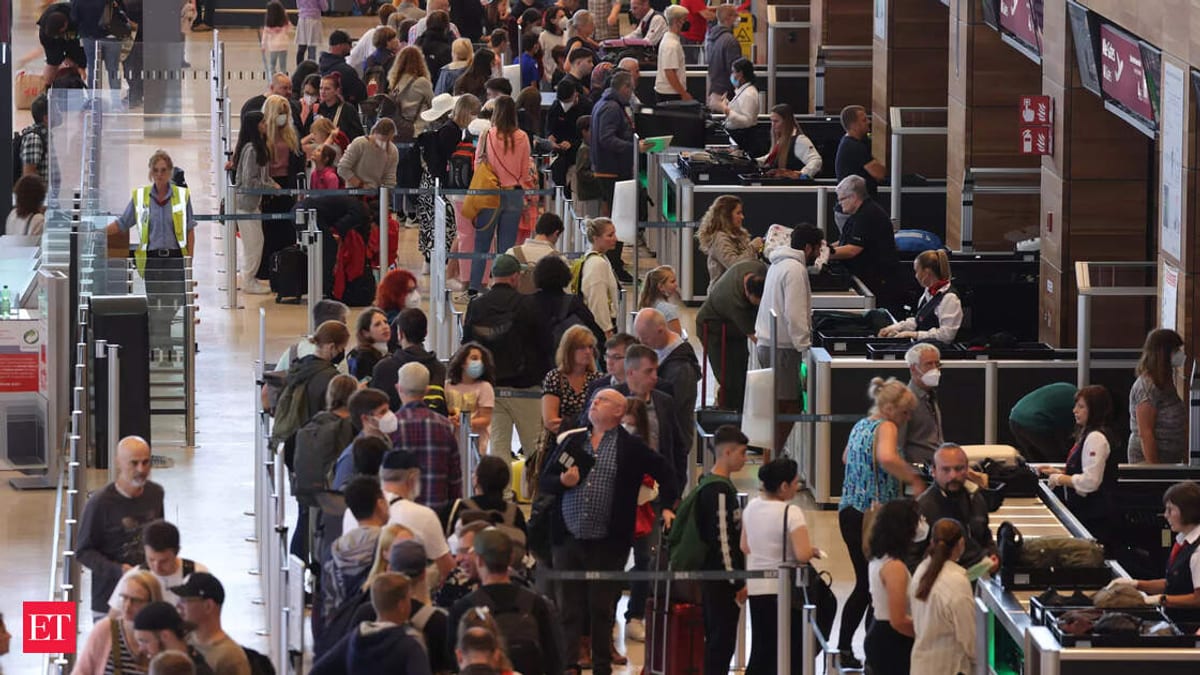
Security lines ease after shutdown turmoil, but pressure remains
Recent travel periods have shown that TSA checkpoint conditions can improve quickly once staffing stabilizes, even after severe disruption. Reports from the world’s busiest hub, Hartsfield-Jackson Atlanta International Airport, indicated that wait times that stretched toward three hours during the height of the March 2026 funding lapse fell to just a few minutes at many checkpoints by the start of April, once screeners began receiving back pay and more lanes reopened.
Similar patterns have played out at other major gateways where staffing gaps and partial government shutdowns previously produced lines that snaked through terminals. Publicly available information on the 2026 federal funding standoff notes that Houston’s George Bush Intercontinental Airport at one point operated only a fraction of its checkpoints, with waits approaching four hours before conditions gradually normalized as more officers returned to duty.
These examples underline how sensitive security operations are to staffing levels. When callouts spike or overtime budgets tighten, checkpoints can clog quickly. Once those pressures ease, throughput often rebounds within days, although travelers may still encounter lingering delays during peak morning and evening banks of flights.
Despite the turbulence, national screening volumes are near record highs. Industry data updated in early 2026 shows that average daily passenger throughput at TSA checkpoints rose modestly from 2024 to 2025, reflecting continued demand for air travel. That growth keeps pressure on security lines even when operations are otherwise stable.
Are lines still long in 2026? It depends where and when you fly
Across the country, reports indicate that airport security waits in early 2026 are a patchwork. Many travelers are clearing TSA in 15 to 30 minutes at off-peak times, while others still face much longer queues at large hubs or during holidays and Monday morning business waves.
Recent coverage of wait times at Atlanta pointed to a rapid shift from outdoor lines and hours-long queues to single-digit minute waits in the span of about a week. In Chicago, third-party analyses of 2025 data suggested average checkpoint waits at O’Hare in the single-digit minute range during normal operations, with spikes approaching 10 minutes in busier windows. Yet during last year’s federal funding lapse, some major airports regularly saw waits topping one hour, underscoring how quickly conditions can deteriorate when multiple risk factors line up.
Seasonality adds another layer. TSA reported record screening totals over the 2025 Labor Day weekend and projected the busiest summer on record for U.S. airports, while travel groups highlighted strong demand over the winter holidays. During these peak periods, even well-staffed checkpoints can experience rolling backups when banks of flights converge or when severe weather disrupts schedules and pushes more passengers into the same time window.
For most travelers in spring 2026, that means airport security is not uniformly gridlocked, but neither is it reliably quick. Wait times can shift from manageable to frustrating in the time it takes a few full flights of passengers to arrive at the same checkpoint, especially at the busiest coastal and hub airports.
Technology, new checkpoints and programs aim to smooth the lines
In response to record volumes and recent disruption, airports and federal agencies are investing in new infrastructure and screening technology to keep lines moving. Large hub airports such as Denver International have opened or expanded multi-lane checkpoints, with additional lanes planned into 2026 as part of multi-billion-dollar terminal renovation projects that focus heavily on security throughput.
Biometric identity verification is becoming more common at major gateways as well. Coverage from Dallas Fort Worth International Airport describes expanded use of facial recognition systems for arriving international passengers, with expectations that the technology will cut the time spent in passport control and security rechecks. Separate pilot programs involving so-called eGates at airports in Atlanta, Washington and Seattle are designed to automate identity checks at the front of the screening process and speed passengers into the lanes.
TSA PreCheck, Global Entry and airline or airport-run expedited screening services continue to play a major role in reducing individual wait times, particularly during peak periods. Public statements from federal agencies over the past two years have emphasized enrollment growth in these programs, framing them as a key tool for absorbing record volumes without pushing standard checkpoint lines to unmanageable levels.
At the same time, the experience on the ground shows that technology is not a cure-all. During the 2025 and early 2026 disruptions, some airports temporarily suspended updates to official wait-time trackers when conditions were changing too rapidly to provide reliable estimates. Biometric kiosks and automated lanes can also bottleneck if staffing is thin or if a large proportion of travelers are unfamiliar with the process.
What travelers can do to avoid getting stuck
Given the uneven picture, travel experts and recent public guidance consistently recommend building a larger time buffer into airport plans. For domestic flights from large or busy airports, arriving at least two hours ahead remains a common baseline, but many advisories during the recent disruption urged travelers to arrive three or even four hours early when departing during peak morning or evening waves.
Real-time tools can help refine that advice. The MyTSA mobile app, official airport social media accounts and third-party trackers aggregate traveler reports and historical data to show current estimated wait times by checkpoint. Federal privacy documents describe how MyTSA users can both view and submit wait estimates, creating a running picture of conditions across the network. While these tools can be invaluable, recent shutdown coverage shows they can be inaccurate or suspended during rapidly changing or irregular operations.
Travelers can improve their own odds with a few basic steps that accelerate the screening process. Having identification and boarding passes ready, following TSA rules on liquids and electronics, and choosing less busy flight times can all reduce the risk of being caught in the longest lines. Enrolling in TSA PreCheck or Global Entry well ahead of a trip can also provide access to dedicated lanes that are often, though not always, shorter.
For now, the reality of TSA wait times in the United States is one of contrasts. On many days, security lines at major airports are moving faster than the worst headlines from the funding standoffs might suggest. Yet with travel demand near record highs and staffing still recovering in some locations, travelers who build in extra time and lean on up-to-date information remain best positioned to make it to the gate without a last-minute sprint.