

More news on this day
TUI Care Foundation has launched two new initiatives in Jamaica that aim to link sustainable tourism growth with community livelihoods, environmental protection, and the preservation of local culture, highlighting how global travel demand is increasingly intersecting with grassroots development goals.
Get the latest news straight to your inbox!
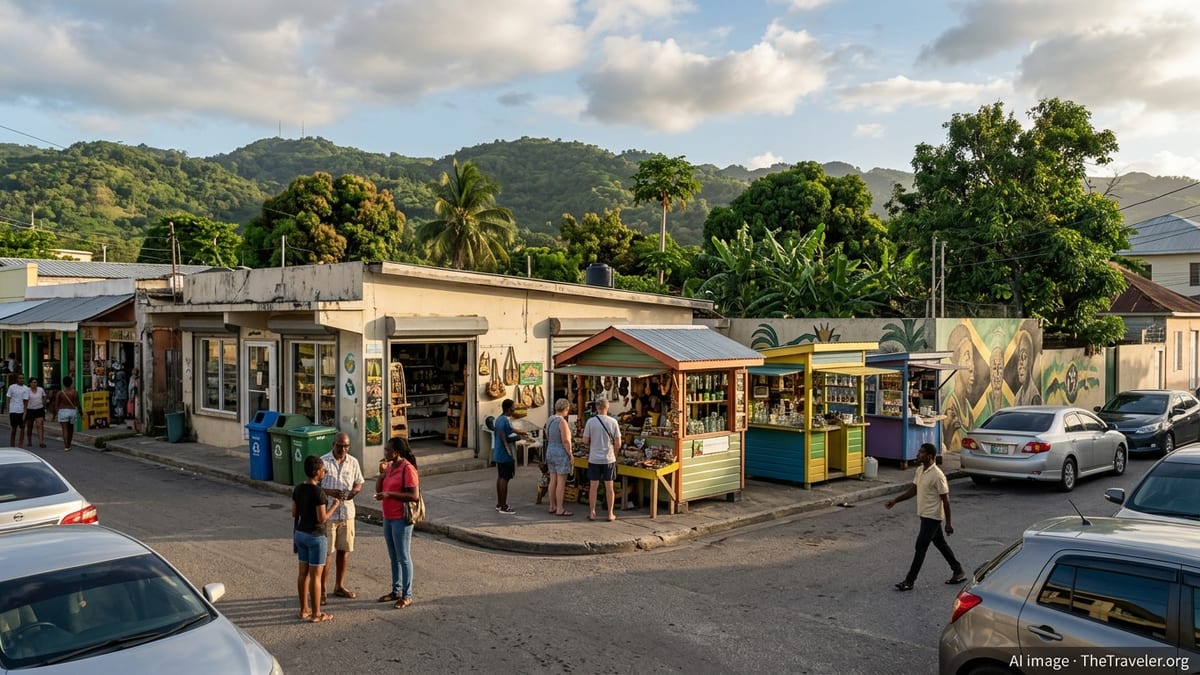
Destination Zero Waste Targets Tourism Plastics in Montego Bay
Publicly available information shows that TUI Care Foundation has introduced the Destination Zero Waste Jamaica programme in Montego Bay, one of the island’s busiest resort hubs. The initiative focuses on plastic and glass waste generated by hotels, restaurants, bars, and entertainment venues, which have long placed pressure on limited landfill space and nearby coastal ecosystems.
The project includes the creation of an upcycling center that will collect and process discarded materials into new products. Reports indicate that the facility is designed both as a production space and as a learning environment, offering training on recycling techniques and circular economy practices. Local youth are expected to be closely involved, positioning waste as a resource that can support new income streams rather than a persistent environmental burden.
In addition to the upcycling center, the programme is working to establish a broader waste collection and recycling network across Montego Bay. Tourism businesses and community groups are being encouraged to participate in coordinated collection schemes, workshops on waste management, and school-based environmental clubs. The approach reflects a growing effort to align the destination’s tourism offering with global expectations around sustainability.
By embedding environmental education and visible recycling infrastructure within a major tourist city, Destination Zero Waste is intended to make responsible consumption part of the visitor experience. The project also supports eco-tourism narratives for Montego Bay, where travelers increasingly seek out accommodations and activities that demonstrate measurable progress on reducing pollution and improving local living conditions.
TUI Academy Jamaica Focuses on Youth Skills and Tourism Careers
Alongside the waste initiative, TUI Care Foundation has launched TUI Academy Jamaica, a vocational training programme for young people who face barriers to entering the formal job market. According to published coverage, the academy plans to train 120 disadvantaged youth in hospitality and tourism-related skills over its current cycle.
The curriculum is described as combining classroom learning with practical placements in hotels and other tourism businesses. Participants receive training in guest services, food and beverage operations, and other front-line roles that are in steady demand across Jamaica’s tourism sector. The aim is to create clear employment pathways in an industry that remains a cornerstone of the national economy.
Partner organizations in Jamaica’s skills and education ecosystem are reported to be involved in delivering the programme, which links technical training with soft skills such as communication and teamwork. This structure is intended to help graduates adapt to different workplace settings, from large all-inclusive resorts to smaller eco-lodges and community-based tourism ventures.
For destinations like Montego Bay, the academy model aligns human capital development with sustainable tourism strategies. By supporting local recruitment and promoting higher-quality jobs, the programme seeks to ensure that more tourism revenue remains within communities and that young people can see long-term professional futures linked to the sector.
TUI Forest Jamaica Connects Conservation and Eco-Tourism in Cockpit Country
Beyond urban tourism centers, TUI Care Foundation is also moving into rural landscapes with TUI Forest Jamaica, a reforestation and sustainable livelihoods initiative in the island’s Cockpit Country. Recent reports describe the two-year programme as focusing on forest restoration, climate resilience, and community-based economic opportunities.
The project, developed in partnership with local environmental organizations, promotes community-managed reforestation and sustainable agroforestry practices. Activities include tree planting, habitat restoration, and support for small-scale farming systems that reduce pressure on remaining forest cover. These efforts are intended to protect water resources and biodiversity in a region that plays a key ecological role for Jamaica.
A notable feature of TUI Forest Jamaica is its tourism component. Available information indicates that around two dozen local residents are being trained as tour guides and hosts, with a focus on biodiversity interpretation, environmental storytelling, and visitor safety. The goal is to build an eco-tourism product around guided hikes, educational forest walks, and farm visits that can generate income while reinforcing conservation objectives.
By linking forest protection with sustainable visitor experiences, the initiative responds to rising interest in nature-based tourism and authentic cultural encounters away from the coast. It also reflects a broader shift in Jamaica’s tourism strategy toward showcasing interior landscapes and community-led experiences while guarding against environmental degradation.
Cultural Heritage and Creative Economies Enrich Tourism Offer
TUI Care Foundation’s work in Jamaica is unfolding alongside a series of cultural and creative projects that reposition Montego Bay as more than a sun-and-sea destination. According to Jamaican media reports, the foundation’s Colourful Cultures programme, delivered with creative sector partners, has supported public art and placemaking efforts intended to elevate local heritage in the urban environment.
Murals and cultural installations in downtown Montego Bay are being framed as tools for storytelling, pride, and inclusive city-building. These interventions connect directly to tourism by making public spaces more engaging for both residents and visitors, while signaling that Jamaica’s cultural identity is central to the destination brand. They also provide paid opportunities for artists and designers, further tying tourism revenue to the creative economy.
Such cultural initiatives complement the more technical work of waste management and forest restoration by highlighting how heritage, art, and everyday urban life can be woven into eco-tourism experiences. Travelers seeking responsible and meaningful engagement with destinations increasingly look for opportunities to interact with local culture in ways that are respectful and beneficial to host communities.
Together, the emerging network of environmental, educational, and cultural projects suggests an integrated vision for sustainable tourism in Jamaica. Rather than treating conservation, skills training, and heritage preservation as separate policy areas, the initiatives position them as interconnected pillars of a more resilient tourism economy.
Impact on Local Entrepreneurs and Community-Based Tourism
The combined effect of the new initiatives is expected to create fresh opportunities for local entrepreneurs in and around key tourism areas. Reports on Destination Zero Waste Jamaica note that the upcycling center intends to incubate product ideas and microenterprises that turn discarded glass and plastic into saleable goods, from decorative items to practical household products.
Similarly, the skills developed through TUI Academy Jamaica and TUI Forest Jamaica open pathways for small business formation, including tour guiding services, homestay operations, and nature-based experiences. Community members trained as guides or hosts can collaborate with existing tour operators or develop their own offerings, leveraging established visitor flows while retaining a greater share of tourism income.
These projects also align with wider debates about how Caribbean tourism can move beyond enclave models toward more inclusive, locally anchored growth. By centering waste reduction, forest stewardship, and cultural creativity within tourism planning, Jamaica’s emerging partnerships with organizations like TUI Care Foundation illustrate how international funding and expertise can support community priorities rather than override them.
As the programmes progress over the coming years, their outcomes are likely to be watched closely by other destinations seeking to balance tourism expansion with environmental limits and social equity. For travelers, the initiatives signal that Jamaica is investing not only in its visitor infrastructure but also in the people, places, and ecosystems that underpin the island’s long-term appeal.