

More news on this day
Tour operator TUI has issued an urgent travel alert for holidays to the United Arab Emirates as airspace closures and missile strikes across the Gulf leave tens of thousands of British travellers stranded and trigger widespread disruption to upcoming departures.
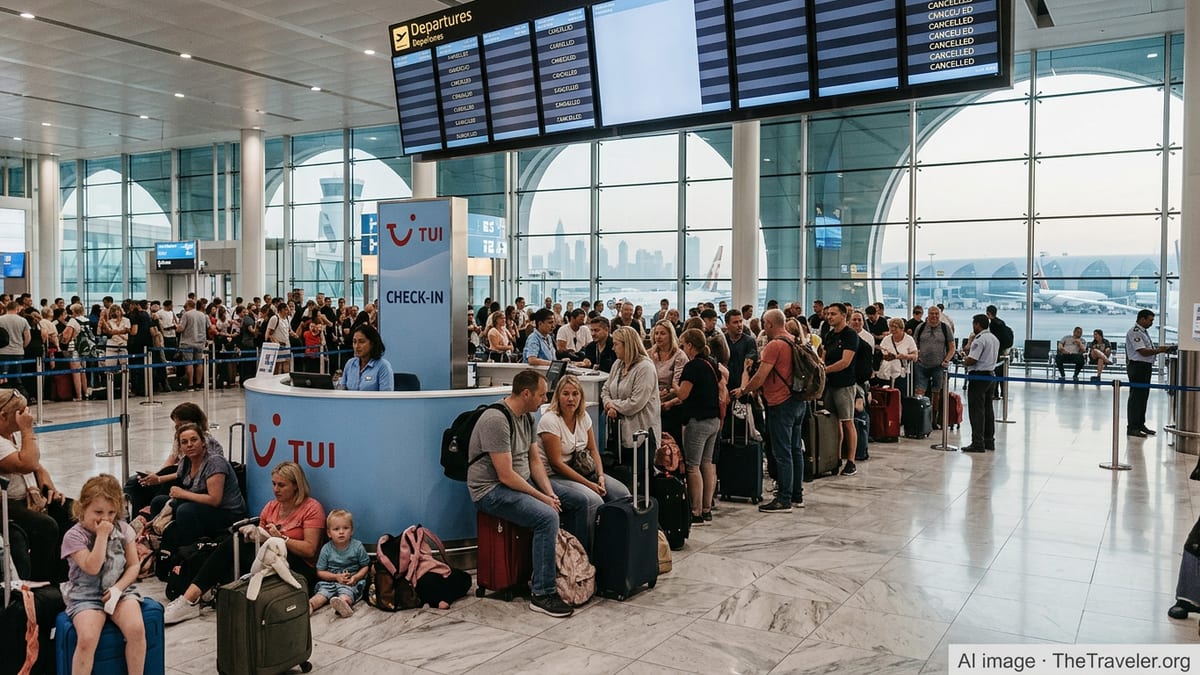
Mass Disruption as UAE Airspace Remains Heavily Restricted
The alert follows days of unprecedented disruption across Gulf air hubs after Iranian missile and drone strikes prompted the United Arab Emirates to impose a temporary and partial airspace closure, halting most commercial flights to and from Dubai and Abu Dhabi. Dubai International, the world’s busiest airport for international traffic, and Dubai World Central have only begun a limited and tightly controlled resumption of services, with most passengers still unable to leave.
The UK Foreign, Commonwealth and Development Office is now advising against all but essential travel to the UAE, warning British nationals already in the country to shelter in place, remain indoors and follow local instructions. Officials expect the travel advice to change rapidly as the security and aviation picture evolves.
Across the wider region, Gulf airports and airlines have suspended normal operations, with only a small number of special services operating. Industry trackers report thousands of cancelled flights since the weekend, in what analysts describe as the most severe aviation shock since the Covid travel shutdown, leaving hundreds of thousands of passengers across the Middle East displaced or unable to fly.
For package holiday customers with TUI and other major UK operators, the closure of these key transit hubs has cut off normal routes home and raised urgent questions about refunds, rebooking and how long they may be required to remain in resort under local shelter orders.
Stranded Britons Face Long Waits and Patchy Flight Options
UK officials estimate more than 100,000 British nationals are currently stranded across Gulf states, with the majority believed to be in the UAE on holiday or in transit. Foreign Secretary Yvette Cooper has confirmed that tens of thousands have registered with consular services, enabling the government and tour companies to push urgent updates as the crisis unfolds.
While a handful of evacuation and special commercial flights from Dubai, Abu Dhabi and Riyadh have now reached UK airports, airspace over much of the region remains tightly restricted. Passengers selected for early flights out describe chaotic, last minute operations, with some given only minutes’ notice to reach the airport after days of waiting in hotels for news.
With normal schedules suspended, Britons still in the UAE are heavily reliant on their airline or tour operator to arrange any outbound travel. Some independent travellers have begun exploring complex overland routes to alternative hubs such as Muscat or Riyadh, although authorities continue to caution against non-essential movement and to prioritise safety over attempts to self-evacuate.
TUI’s alert reflects this uncertainty. The company is prioritising customers already in destination, focusing on welfare and contingency travel rather than promising specific departure dates. Travellers are being told that if they are stranded in the UAE they should stay in close contact via the TUI app, email and text, and not attempt to reach airports unless they have a confirmed seat on a designated service.
What the TUI Alert Means for Current and Future Passengers
For TUI customers currently on holiday in Dubai, Abu Dhabi or other UAE resorts, the alert confirms that normal return flights are suspended and that repatriation will depend on when safe air corridors can be re-established. The company has told affected guests that their booking remains active and that once flights are cleared, they will be rebooked on the next available services, with priority given to those whose original travel dates have already passed.
Those due to travel to the UAE in the coming days are being urged not to travel to the airport and to wait for direct contact from TUI or their airline. Where the Foreign Office advises against all but essential travel, package holidaymakers generally gain stronger rights to rebook or seek refunds, but tour firms are initially focusing on short-term cancellations while they assess how long the disruption will last.
Industry practice in similar crises suggests that customers with imminent departures are likely to be offered the choice of deferring their holiday, switching to an alternative destination where capacity allows, or receiving a refund. However, with multiple Gulf hubs affected at once and rerouting options limited, availability on alternative winter-sun routes is expected to be tight and prices volatile.
TUI has also reminded passengers that any changes they make independently, such as cancelling flights or hotels themselves without operator approval, could affect compensation or insurance eligibility. Customers are being advised to keep all receipts for additional expenses and to document communications with both TUI and their insurers in case formal claims are needed later.
On the Ground in the UAE: Welfare and Shelter-in-Place Orders
In the UAE, authorities have activated emergency protocols to care for stranded visitors while airspace remains restricted. Officials say the state is funding essential accommodation, meals and refreshments for affected travellers who cannot leave, with hotels instructed to extend guest stays where necessary under existing terms. Local media report that tens of thousands of visitors across Dubai and Abu Dhabi have already received such support.
British holidaymakers describe a tense but orderly atmosphere in major resorts, with many confined to hotels under shelter-in-place instructions yet reporting that basic services, food and utilities continue to function. The UAE’s government has emphasised that safety measures, including reinforced security around airports and tourist districts, are designed to protect visitors as well as residents.
For TUI guests, on-the-ground representatives and partner hotels are the first point of contact. Travellers are being encouraged to register their location with both the Foreign Office and TUI so they can be included in any future repatriation plans. Families with vulnerable members, such as those with small children or medical needs, are being prioritised for assistance where possible.
Despite these measures, the psychological strain is significant. With images of missile strikes circulating on news channels and social media, many Britons report anxiety over how long they will remain in the UAE and whether the conflict could escalate further. Travel counsellors and hotel staff are increasingly taking on a pastoral role, attempting to reassure guests while awaiting clearer timelines from aviation authorities.
Key Advice for Travellers Navigating the Days Ahead
For Britons already in the UAE with TUI, the central message is to stay put, stay informed and avoid making independent travel moves that could compromise safety or financial protection. Passengers should monitor official FCDO travel advice, keep phones charged, ensure contact details with TUI are up to date and respond quickly to any offers of rebooking or repatriation flights.
Those preparing to travel later in March are urged to watch how both Foreign Office advisories and airline schedules evolve. If the advice against all but essential travel remains in force closer to departure, tour operators are expected to extend cancellation and change policies to cover later dates. Until then, consumer bodies caution against voluntarily cancelling well ahead of time, as this can sometimes reduce entitlement to refunds.
Independent travellers who built their own trips using scheduled flights and separate hotel bookings face a more complex picture. They will need to negotiate directly with airlines, accommodation providers and insurers, and may have fewer statutory protections than package holiday customers. Travel lawyers say the scale of disruption means disputes over what constitutes “extraordinary circumstances” or “foreseeable risk” are likely in the months ahead.
For now, both TUI and UK authorities are stressing that the overriding priority is keeping stranded travellers safe while carefully rebuilding air links out of the Gulf. As special flights begin to trickle out of the UAE, the pace of departures in the coming days will determine how long many Britons remain stuck and how far into the spring holiday season TUI’s UAE travel alert will need to extend.