

Turkey sits on the seam between Europe and Asia, yet it resists every easy label. It is at once ancient and experimental, deeply traditional and fiercely modern, a place where Roman harbors, Ottoman mosques and glass-and-steel towers all feel like part of the same unfolding story. Traveling here in the mid 2020s means encountering a country that is still reinventing how it moves, eats, works and welcomes visitors. This guide is designed to help you experience Turkey in a way that changes what you expect from both continents.
A Country That Refuses Simple Categories
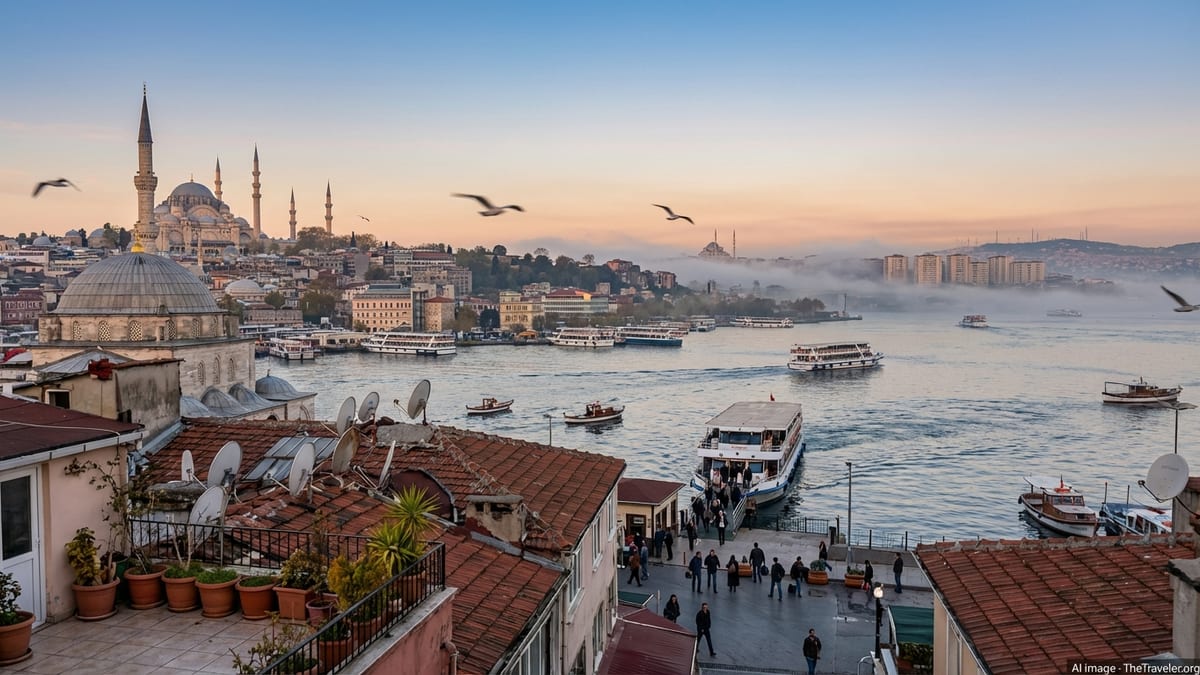
Most travelers arrive in Turkey expecting a softer version of Europe or a gateway to the Middle East. What they find instead is a country that trades in contradictions. Istanbul’s skyline is punctuated by both minarets and skyscrapers. A tram glides past a Byzantine church, while around the corner an Ottoman-era bakery still shapes simit dough by hand. The result is a living city that feels less like a museum of empires and more like a nonstop negotiation between past and future.
That same tension plays out across the country. On the Aegean coast, Greek and Roman ruins rise above beaches lined with boutique hotels and low-key pensions. In central Anatolia, cave dwellings once used by early Christians now host design-led suites with underfloor heating and tasting menus. Eastern cities hold Kurdish, Armenian, Arab and Turkish influences side by side. No single narrative can contain it, which is exactly what makes Turkey such an absorbing destination.
For visitors, this means you can design a trip that feels Mediterranean, Balkan, Middle Eastern or entirely its own. You can dive into hammam culture in a conservative neighborhood in the morning, then sip natural wine in a rooftop bar at night. The country’s complexity does not cancel out its warmth. Instead, locals often move fluently between worlds, equally at home in a village tea garden or a co-working space in a repurposed warehouse. Traveling through Turkey becomes an exercise in expanding your sense of what Europe and Asia can look like.
Understanding this layered identity makes practical planning easier. Distances are large, regional identities matter and customs shift more between neighborhoods than between some countries. If you let go of expectations shaped by Western city breaks or all-inclusive beach holidays, you can start to see Turkey on its own terms, and that is where it becomes unforgettable.
Practical Essentials: Visas, Money and Getting Around
Entry rules for Turkey vary by nationality and change periodically, so it is important to verify current requirements with an official source shortly before you travel. Many visitors from Europe can enter visa free for short stays, while others, including citizens of several countries in the Americas, Asia and Africa, typically use an electronic visa system. Some nationalities may still need to apply through a consulate. Because policies are periodically adjusted, particularly for regional neighbors, allow extra time for paperwork and keep copies of confirmations on your phone and on paper.
Turkey’s currency is the lira, and its value can fluctuate significantly. In practice this means you will often find excellent value once on the ground, especially for food, local transport and mid-range accommodation priced for the domestic market. Major cards are widely accepted in cities and tourist centers, but it is wise to carry cash for small cafes, taxis in smaller towns and rural guesthouses. ATMs are common, though fees and withdrawal limits vary, so check with your bank before departure and consider carrying a backup card.
Getting around Turkey has become easier over the last decade as infrastructure has expanded. Domestic flights connect major cities and resort areas efficiently, and high-speed trains link hubs such as Istanbul, Ankara, Konya and Eskişehir. Long-distance buses remain a backbone of travel, offering frequent, surprisingly comfortable connections to smaller towns and coastal regions. In Istanbul, a growing metro network includes direct lines to both Istanbul Airport and Sabiha Gökçen Airport, making transfers faster and more predictable than relying only on road traffic.
When planning routes, resist the urge to squeeze too much into one trip. Turkey’s regions are large and deserve slow travel. Focus on one or two clusters, such as Istanbul and Cappadocia, or the Aegean coast and nearby ruins, rather than trying to cover all coasts and the east in a single visit. Night buses and early flights can help you maximize time, but leaving room for missed ferries, late trains or slow breakfasts will keep the journey enjoyable.
When to Go: Seasons That Shape the Story
Turkey spans multiple climate zones, and the best time to visit depends strongly on where you are heading. Istanbul and much of western Turkey have a temperate climate. Spring and autumn are usually the most rewarding, with mild weather, softer light and fewer local crowds than peak summer. In April and May, the city’s parks and hillsides are green and, in a typical year, tulips brighten public gardens. September and October bring clear days that are still warm enough for Bosphorus ferries and seaside walks without intense heat.
Along the Aegean and Mediterranean coasts, summers are hot and dry. Beach towns fill with both international travelers and domestic holidaymakers in July and August, when water temperatures are high and nightlife peaks. If you prefer quieter coves and more reasonable prices, consider late May, June or the shoulder season from mid-September into October. During these windows, boats still run, sea temperatures are appealing and many seasonal restaurants are open, but evenings feel less crowded.
Central Anatolia, including Cappadocia, has more extreme temperatures. Summers can be hot under cloudless skies, while winter brings snow and a different kind of beauty. Hot-air balloon flights often operate year-round, weather permitting, and the sight of fairy chimneys under frost can be as striking as any sunrise. For hikers and those exploring valleys on foot, late spring and early autumn offer the most comfortable conditions. Packing layers is essential in this part of the country, where daytime and nighttime temperatures can differ sharply.
Eastern and southeastern Turkey follow their own rhythms, with hotter, drier summers and colder winters. These regions reward travelers who plan carefully around weather and daylight, especially if you hope to visit high-altitude sites or remote plateaus. Whichever region you choose, remember that national holidays, including religious festivals set by the lunar calendar, can affect transport, opening hours and hotel availability. Booking key legs in advance around those dates helps avoid disruptions.
Istanbul: The City That Rewrites East and West
Istanbul is often described as the bridge between Europe and Asia, but that phrase hardly captures its energy. Straddling the Bosphorus, the city reads as a layered palimpsest of empires and experiments. In one day you can move from a Byzantine cistern to an art gallery in a converted warehouse, then end your evening in a neighborhood meze bar that feels unmistakably contemporary. The city’s skyline, familiar from postcards, is only the beginning of its story.
Historic districts like Sultanahmet and the peninsula are where many visitors start, exploring landmarks such as monumental mosques, palaces and stone-paved bazaars. These areas can be busy, but stepping a few streets away from major sights brings you into quarters where daily life takes over: children playing football in alleys, grocers stacking crates of greens, tea being delivered on metal trays. This contrast between postcard Istanbul and lived-in neighborhoods is part of what makes the city compelling.
North across the Golden Horn, districts such as Beyoğlu, Karaköy and Galata show how Istanbul has reinterpreted European urban life. Here, 19th-century apartment blocks house independent cinemas, design shops, record stores and third-wave coffee bars alongside classic meyhanes. Street art fills underpasses, while rooftop terraces frame views of mosque domes and shipping lanes. Walking these hills gives you a sense of a city that is as interested in its future as in the preservation of its monuments.
On the Asian side, neighborhoods like Kadıköy and Üsküdar reveal another dimension. Markets spill onto sidewalks, ferries shuttle commuters across the strait and seaside promenades fill at sunset with families, students and retirees. It feels less like a dichotomy of East and West and more like a dynamic urban organism that happens to sit on two continents. Sitting on a ferry deck, tea in hand, as the city’s lights come on around you may be the moment when you realize that Istanbul does not just connect Europe and Asia. It redefines what a transcontinental city can be.
Beyond Istanbul: Regions That Redraw the Map
Once you leave Istanbul, it becomes even clearer that Turkey does not fit neatly into familiar regional categories. The Aegean coast around İzmir, Çeşme and Ayvalık feels distinctly Mediterranean, with whitewashed houses, narrow lanes and olive groves tumbling towards the sea. Fishing villages have evolved into relaxed resort towns where you might share a table with visitors from Athens, Berlin or Ankara. Local cuisine leans on herbs, seafood and vegetables, a reminder of the region’s deep links to both Greek and Anatolian traditions.
Further south, the Turquoise Coast between Fethiye, Kaş and Antalya blends rugged mountains with clear-water bays and offshore islands. Here, yacht marinas sit within view of Lycian tombs carved into cliffs, and sections of long-distance hiking routes let you walk between ruins and rural hamlets. While resort hotels line some stretches, there are still many low-key pensions, family-run guesthouses and small-scale beach clubs that maintain a slower, more intimate atmosphere than mass-market Mediterranean destinations.
Inland, Cappadocia in central Anatolia feels almost like another planet, yet its history ties it firmly to the story of early Christianity and Silk Road trade. Villages built into soft volcanic rock now wrap modern comforts around troglodyte dwellings and cave churches. Balloon flights at dawn have become iconic, but the region’s real depth emerges when you hike through valleys, visit small-town bakeries and sit down for home-style meals in family restaurants. Staying in a cave hotel with a terrace overlooking the landscape is one of Turkey’s most distinctive experiences.
Eastern Turkey, stretching towards the Caucasus and the Iranian plateau, remains far less visited than the coasts and Cappadocia. Cities such as Van, Kars, Mardin and Gaziantep embody layers of Armenian, Kurdish, Arab and Turkish heritage. Restored stone houses, medieval churches, hilltop fortresses and bustling bazaars coexist with contemporary cafes and boutique hotels. Traveling here requires more planning and sensitivity to local dynamics, but for those who make the journey, it challenges assumptions about where Europe ends, where Asia begins and how cultures intersect along that shifting line.
Cuisine and Everyday Rituals: Where Continents Meet at the Table
Turkish food alone can overturn expectations of both European and Asian cooking. It is not simply kebabs and baklava, but a sophisticated, regionally varied cuisine that reflects centuries of trade, migration and imperial rule. In Istanbul, breakfast can mean a spread of cheeses, olives, tomatoes, cucumbers, eggs, jams and breads that rivals hotel buffets, even in a modest neighborhood cafe. Along the coasts, grilled fish and meze echo Greek and Levantine influences, while the southeast leans towards spicier dishes, rich stews and layered pastries.
Street food is one of the easiest ways to access this culinary diversity. Simit sellers wheel their carts through city streets in the early morning, while vendors slice döner, press fresh pomegranate juice or grill corn on the cob by afternoon. In bus terminals, you will find gözleme, thin hand-rolled flatbreads stuffed with cheese, potatoes or greens. Nighttime in popular districts often brings stands selling mussels, kokoreç and other specialties that locals debate passionately. Each snack tells a story of migration, regional identity and the country’s ongoing experiments with taste.
Hospitality in Turkey goes beyond what many travelers expect, even compared with famously welcoming European and Asian cultures. Tea is central to this social fabric. Small tulip-shaped glasses appear in shops, after meals, on ferries and in government offices. Accepting a cup rarely obligates you to buy anything. Instead, it is a way of acknowledging shared space. Coffee, particularly Turkish coffee, occupies a different role, often associated with slower conversations and, in some traditions, fortune-telling from the grounds.
In recent years, a new generation of chefs, roasters and winemakers has emerged, especially in Istanbul, İzmir and along the coasts. They experiment with local ingredients, heirloom grains and regional grape varieties, creating tasting menus and natural wines that sit comfortably on the same level as European capitals. Yet these innovations still lean on the foundations of home cooking and market culture. Eating your way through Turkey becomes a journey through time and across borders without leaving your table.
Cultural Etiquette, Safety and Responsible Travel
Turkey’s social codes can feel both familiar and foreign to visitors. In large cities and coastal resorts, dress and behavior standards resemble those of southern Europe. In smaller towns and conservative neighborhoods, modest clothing is appreciated, especially in and around religious sites. Carrying a lightweight scarf can be useful for covering shoulders or hair when entering mosques, where visitors are usually welcome as long as they respect prayer times, remove shoes and keep voices low.
Public displays of affection are common among couples in big-city districts, but more restrained behavior is the norm elsewhere. When meeting people, a simple greeting in Turkish, even just a hello or thank you, can soften interactions. It is also polite to accept small offers of tea or sweets when reasonable, and to ask permission before photographing people, particularly in markets or rural communities. These gestures signal that you see locals as partners in your travel experience rather than as part of the scenery.
Questions about safety often arise before trips to Turkey. Conditions vary by region and can change, so it is wise to check current travel advisories from your government and local news before and during your visit. Major tourist centers typically maintain a visible security presence, as authorities are highly aware of the importance of tourism. Standard city caution applies: watch your belongings in crowded areas, use licensed taxis or reputable ride-hailing services and keep copies of your passport and key documents separate from your originals.
Responsible travel in Turkey also means being mindful of environmental and cultural impact. Some coastal areas and fairy-chimney valleys face pressure from overdevelopment and crowding. Choosing locally owned accommodations, visiting lesser-known sites along with marquee attractions and supporting conservation-minded tour operators can help distribute tourism more evenly. Simple actions such as carrying a refillable bottle where tap water is safe or filtered, avoiding single-use plastics and staying on marked trails in natural areas contribute to preserving the landscapes that drew you here in the first place.
The Takeaway
Traveling through Turkey in the mid 2020s is less about ticking off continents and more about letting your assumptions unravel. The country complicates familiar categories: mosques share skylines with nightclubs, Bronze Age sites sit near trendy beach bars, and tea gardens host conversations that shift effortlessly from village gossip to global politics. Nowhere else does the phrase between Europe and Asia feel so literal or so insufficient.
By approaching Turkey on its own terms, you allow it to surprise you. You might find that the most memorable moment of your trip is not a famous monument but a ferry crossing, a sunrise breakfast on a terrace or an unexpected friendship on a long-distance bus. The country rewards curiosity, patience and a willingness to move beyond the expectations you brought with you. In return, it offers a richer, more nuanced understanding of how cultures meet, blend and reinvent themselves along one of the world’s great crossroads.
FAQ
Q1. Do I need a visa to visit Turkey as a tourist?
Requirements depend on your nationality and can change, but many travelers either enter visa free for short stays or use an electronic visa system. Always confirm with an official source or your nearest Turkish consulate shortly before you travel.
Q2. Is Turkey safe for solo travelers, including women?
Many solo travelers visit Turkey each year without serious problems, especially in major tourist areas. As in any large country, using common sense, staying aware of surroundings, choosing reputable accommodation and following local advice will greatly reduce risks.
Q3. What is the best time of year to visit Turkey?
Spring and autumn are generally ideal for cities, Cappadocia and much of the coast, with milder temperatures and fewer local crowds. High summer suits beach-focused trips, while winter can be rewarding for lower prices and atmospheric landscapes.
Q4. Can I drink the tap water in Turkey?
In many cities tap water is treated, but locals often prefer filtered or bottled water for taste. Travelers commonly use bottled or filtered water for drinking while using tap water for showers and brushing teeth without issue.
Q5. How easy is it to get around Turkey without a car?
It is very possible to travel without driving. Domestic flights, high-speed and regional trains, long-distance buses and local minibuses connect most destinations. In cities, metros, trams, ferries and taxis make getting around straightforward.
Q6. What should I wear when visiting mosques and religious sites?
Dress modestly by covering shoulders and knees, and be prepared to remove your shoes. Women may be asked to cover their hair with a scarf, which is often available at major sites, though bringing your own is convenient.
Q7. Is English widely spoken in Turkey?
English is commonly spoken in major tourist areas, hotels, some restaurants and by younger people in cities. In smaller towns and rural areas it is less widespread, but basic phrases, translation apps and gestures usually bridge the gap.
Q8. How much should I tip in Turkey?
In sit-down restaurants, leaving around 5 to 10 percent for good service is customary if a service charge is not already included. Rounding up small bills for taxi drivers, porters and hotel staff is appreciated but not obligatory.
Q9. Are credit cards accepted, or should I carry cash?
Credit and debit cards are widely accepted in cities, shopping malls and many hotels and restaurants. Smaller businesses, markets and rural areas often prefer cash, so carrying some lira alongside your cards is practical.
Q10. What makes Turkey different from other European or Asian destinations?
Turkey combines elements of both continents but follows its own path. Its history spans multiple empires, its culture blends diverse influences and its everyday life moves easily between traditional and modern worlds, creating a travel experience that feels distinct from anywhere else.