

More news on this day
Luxury weddings and high-spend corporate events are driving a fresh realignment of global travel in 2026, with Türkiye rapidly joining India, Egypt, Vietnam and Qatar as a powerhouse for meetings, incentives, conferences, exhibitions and destination weddings across multiple continents.
Get the latest news straight to your inbox!
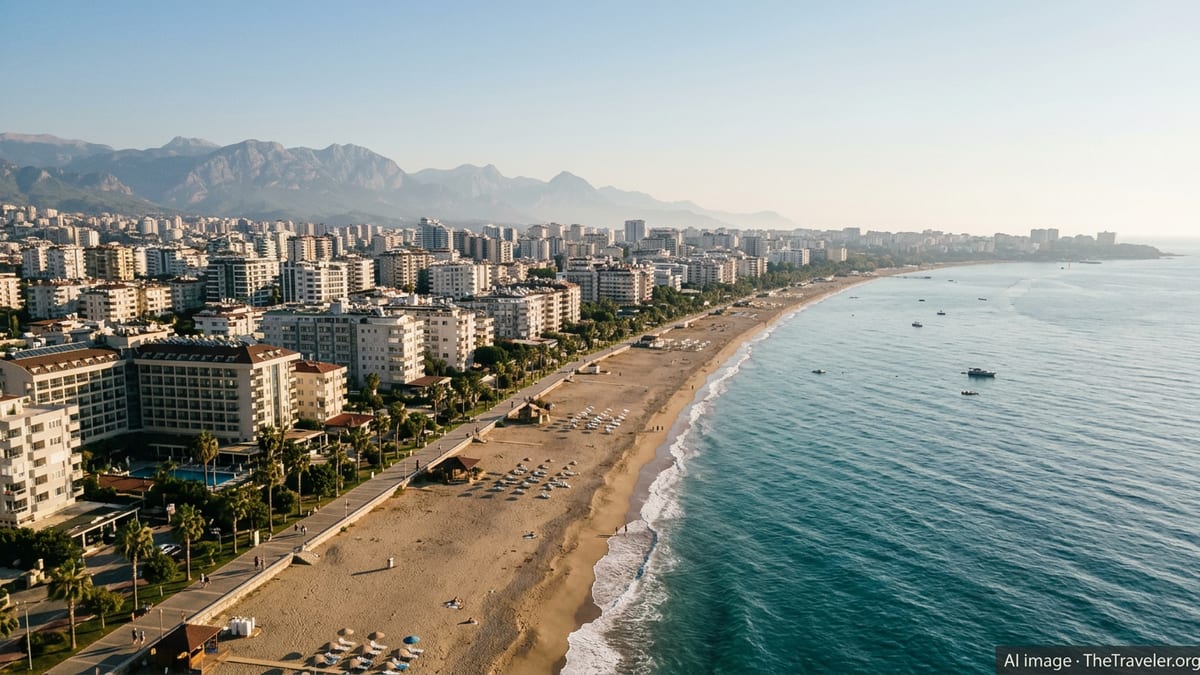
Türkiye Rides a Wave of High-End Event Demand
Publicly available tourism data and industry coverage point to Türkiye as one of the fastest-rising players in premium MICE and wedding travel, anchored by Istanbul, Antalya, Bodrum and Cappadocia. Large convention centers, an expanding portfolio of luxury resorts and historic venues have turned the country into a focal point for long-haul incentive trips and multi-day celebrations that blend culture, gastronomy and leisure.
Reports indicate that Istanbul’s major convention districts, together with resort corridors along the Turquoise Coast, are competing more directly with traditional European hubs for association congresses and corporate meetings. Coverage in regional trade media highlights a pipeline of new and refurbished hotels, as well as purpose-built event spaces, that aim to absorb growing demand from Europe, the Middle East and Asia in 2026.
Industry briefings also note that Türkiye benefits from improved air access and competitive pricing in comparison with classic Western European capitals. Carriers based in Istanbul and the Gulf are feeding in high-yield groups from India, the wider Middle East and Southeast Asia, while visa facilitation measures for selected markets are further strengthening its appeal to event planners looking for a single country that can host large, multi-generational wedding groups and corporate delegations.
Wedding and event planners tracking social media trends describe Türkiye as a bridge between East and West, with itineraries that pair Ottoman-era palaces and Bosphorus waterfront properties with beach extensions in Antalya or Bodrum. This combination positions the country as a natural partner to India’s outbound celebrations and to Gulf-based families seeking culturally familiar yet internationally accessible event backdrops.
India Leads Global Wedding Volumes as Destinations Diversify
India remains the volume leader in global weddings and domestic destination celebrations, with recent trade estimates valuing the 2024 to 2025 wedding season at more than 70 billion dollars in spending. According to published industry reports, tens of thousands of weddings over a short seasonal window have filled hotels across Jaipur, Udaipur, Goa and other leisure centers, further entrenching the country’s role as a cornerstone of wedding-driven travel.
The Indian Ministry of Tourism’s latest annual report highlights “Meet in India” and dedicated wedding branding as core planks of its strategy to attract both domestic and international MICE and celebration travel. The document emphasizes incentive support for large-scale conferences and curated promotion of heritage venues, palaces and coastal resorts, reflecting a policy focus on higher-yield segments in 2025 and 2026.
At the same time, research from wedding platforms in India shows that a majority of destination weddings involving Indian couples still take place within the country, supported by a sophisticated ecosystem of planners, decorators, caterers and production firms. However, a growing affluent tier is looking outward, with Türkiye, Thailand, Vietnam, the Gulf states and parts of Europe emerging as preferred locations for multi-day events that combine traditional ceremonies with international-style receptions.
For the MICE sector, Indian corporate groups are increasingly mixing business meetings with experiential travel. Trade coverage from late 2025 and early 2026 points to strong hotel occupancy and rising room rates across major Indian cities, driven by weddings and conferences taking place in the same peak periods. This is contributing to outbound spillover, as some companies and wedding parties seek fresh capacity and distinctive backdrops overseas, including in Türkiye, Egypt and Vietnam.
Egypt and Qatar Push High-Impact Event Infrastructure
Egypt and Qatar are strengthening their positions as event and wedding hubs by combining large-scale infrastructure investment with targeted promotion. In Egypt, resort cities along the Red Sea, such as Hurghada and Sharm el Sheikh, continue to market all-inclusive compounds, private beaches and year-round sunshine to planners searching for contained environments suitable for multi-day South Asian and Middle Eastern celebrations.
Coverage in regional tourism media notes that new and upgraded resort complexes on Egypt’s Red Sea Riviera are being designed with versatile ballrooms, waterfront ceremony spaces and integrated entertainment options that can host both corporate galas and multi-function wedding programs. Cairo, with its growing inventory of conference hotels and cultural attractions, is pitched as a complementary pre- or post-event city stop for delegates and wedding guests.
Qatar, meanwhile, is leveraging infrastructure built for recent mega sporting events to accelerate its MICE and wedding credentials. Trade publications describe a maturing convention and exhibition calendar centered on Doha’s modern districts, alongside luxury hotels on artificial islands and waterfront promenades that are now positioning themselves as destinations for high-end weddings and society events from across the Gulf, South Asia and Europe.
Publicly available information on Qatar’s tourism strategy indicates a continued emphasis on short-break visits and stopover programs that can be adapted for incentive groups and wedding parties. Frequent air connectivity and a strong premium airline product are giving planners flexibility to merge conference days with desert excursions, yacht experiences and cultural activities for guests staying beyond the core event.
Vietnam and Asia’s Beach Cities Scale Up MICE and Weddings
Across Asia, Vietnam has emerged as one of the region’s fastest growing MICE destinations, with industry associations and government tourism agencies documenting strong growth in incentive and corporate travel for 2025 and 2026. Reports from the Asian Federation of Exhibition and Convention Associations describe how improvements in highways, airports and resort development are elevating cities such as Da Nang, Nha Trang and Phu Quoc alongside the established gateways of Hanoi and Ho Chi Minh City.
Vietnam’s central beach hub of Da Nang has launched dedicated 2026 stimulus and MICE promotion programs under banners that focus on elevating the event experience and encouraging visitors to return. Official tourism portals detail financial and logistical support packages for large groups, together with extensive discount voucher schemes for accommodation, dining and local tours that are tied to the arrival of sizeable MICE delegations.
Local tourism authorities in Da Nang have also announced campaigns to attract wedding tourism, positioning the city’s coastline, nearby heritage town of Hoi An and mountain attractions as a combined canvas for ceremonies, photo shoots and honeymoon extensions. Media coverage emphasizes that the city is targeting double-digit tourism growth in 2026 by leaning into its reputation as an events and festival destination recognized by global awards.
Beyond Vietnam, destinations such as Thailand and other Southeast Asian beach centers continue to appeal strongly to Indian and Middle Eastern wedding groups. Recent awards in India’s travel and MICE trade channels recognize Thailand as a leading international wedding destination, underlining how the region as a whole is now competing as a multi-country circuit for planners who may place one event in Vietnam, another in Thailand and a third in Türkiye or the Gulf, depending on season and family connections.
Multi-Continent Flows Redefine Luxury Travel in 2026
The simultaneous rise of Türkiye, India, Egypt, Vietnam and Qatar reflects a wider structural shift in global luxury travel, where high-yield events play an outsized role in driving hotel performance, airline yields and destination branding. MICE and destination weddings generate concentrated spending across accommodation, food and beverage, entertainment, shopping and pre- and post-event touring, outpacing many other traveler segments on a per-capita basis.
Analysts tracking hotel performance in Asia, the Middle East and the Mediterranean region note that weddings and conferences often fall into the same peak months, amplifying rate growth and tightening availability in key cities and resort zones. This is prompting some planners to consider shoulder seasons, secondary cities and emerging coastlines, effectively spreading the benefits of event tourism more widely within each country.
The cross-border nature of modern celebrations is also altering air travel patterns. Families from India may stage events in Rajasthan and Goa one season, then look to Istanbul, Antalya, Doha or Da Nang for the next major celebration. Corporate incentive programs from Europe might pair a meeting in Istanbul with side trips to Cappadocia or the Turquoise Coast, while Asian firms rotate annual gatherings among Vietnam, Qatar and Egypt to keep experiences fresh for employees.
For destinations, the 2026 race to attract MICE and wedding business is accelerating investment in event-ready infrastructure, sustainability measures and service quality, as each country seeks to secure repeat business from planners handling complex, multi-continent itineraries. With Türkiye now firmly in the frame alongside India, Egypt, Vietnam and Qatar, the competitive landscape for global luxury events is broader and more interconnected than ever.