

More news on this day
Two sailboats carrying humanitarian aid to Cuba that vanished from contact for several days in the Caribbean have been located and have safely reached Havana, easing mounting concern among relatives, organizers and observers following the grassroots mission.
Get the latest news straight to your inbox!
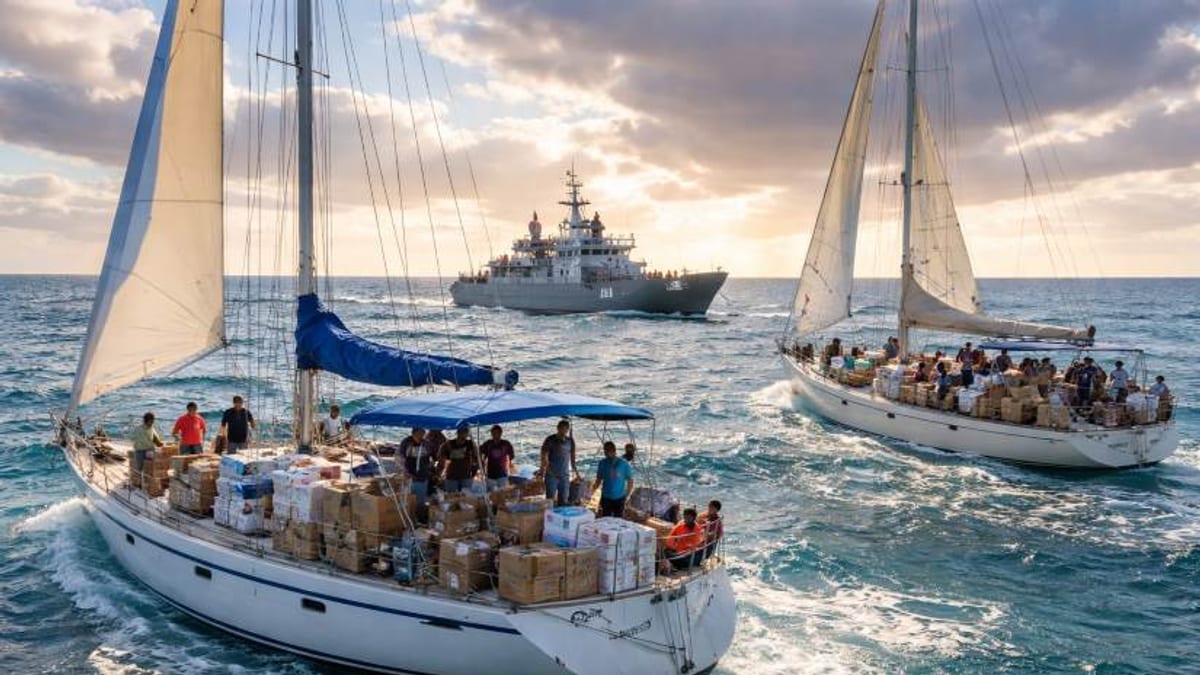
Image by International Cruise News: Latest Cruise Line & Cruise Ship News
Convoy to Cuba Loses Contact in Rough Caribbean Seas
The two vessels, part of the grassroots Nuestra América convoy, departed Isla Mujeres off Mexico’s Yucatán Peninsula on March 20 loaded with food, medicine, solar panels and other supplies for Cuba. According to published coverage, the sailboats, identified as Friend Ship and Tiger Moth, were crewed by experienced sailors from several countries and equipped with standard safety and signaling equipment.
Contact with the boats was lost after they left Mexican waters, triggering worries along the route between the Yucatán Channel and Havana. Publicly available information indicates that the convoy had expected to reach Cuba earlier in the week, and the absence of any radio or electronic updates raised fears of mechanical failure or worse in a region known for rapidly changing sea and weather conditions.
The disappearance drew attention because it came amid a broader campaign of civil society aid to Cuba at a time of fuel shortages, prolonged power cuts and economic strain on the island. Grassroots organizers framed the voyage as a symbolic act of solidarity, and the uncertainty over the vessels’ whereabouts quickly became a test of that effort.
Maritime tracking for small private sailboats in the Caribbean is often patchy, and reports indicate that the ships were operating outside the busiest commercial lanes. That made eyewitness accounts and coordinated search patterns particularly important once communication fell silent.
Mexican Navy Leads Search and Reconnaissance Effort
As concerns grew, Mexico’s navy activated a search and rescue operation across the eastern side of the Yucatán Peninsula and into the western Caribbean. According to Associated Press and other outlets, naval vessels and aircraft were deployed along the projected route to Havana, taking into account prevailing winds, currents and the possibility that the captains had altered course to avoid bad weather.
Public statements summarized in press reports describe coordination between naval commands in Isla Mujeres and other Mexican ports, as well as communication with maritime rescue centers in Cuba, the United States and several European countries linked to crew nationalities. While the United States Coast Guard was not directly leading the mission, publicly available information shows it monitored developments and received updates on the status of the boats.
Officials in Mexico also used routine government briefings to reassure the public that the search effort remained active. Reports indicate that authorities emphasized the professionalism of the crews and the preparation of the vessels, even as they acknowledged that the loss of radio contact for days at a time was unusual for a scheduled international voyage.
The search played out against a backdrop of heightened geopolitical attention on Caribbean shipping, with analysts noting that even small private vessels can become focal points when they carry politically sensitive cargo such as humanitarian aid to sanctioned or isolated states.
Boats Spotted from the Air and Escorted into Havana
The turning point came when a Mexican navy aircraft located the missing sailboats in international waters northwest of Havana. According to reports from international news agencies, the aircraft visually confirmed the identity of the vessels and their crews, determining that they remained seaworthy and were proceeding under their own power despite earlier weather delays.
Coverage from Havana indicates that at least one Mexican naval ship later accompanied the convoy as it approached Cuban territorial waters and entered Havana Bay. The escort provided an additional layer of safety as the sailboats navigated coastal currents and traffic near the entrance to the harbor, a narrow channel that can be challenging in unsettled seas.
Upon arrival in the Cuban capital, organizers indicated that deteriorating conditions at sea had forced the crews to modify their route and speed, contributing to the loss of contact and the extended voyage. Publicly available statements from convoy representatives stressed that, despite the anxiety caused onshore, those on board did not consider themselves to have been in imminent danger.
The safe arrival allowed the aid operation to proceed, with dockside reports describing preparations to unload food, medical supplies, solar equipment and bicycles intended for distribution in Cuban communities facing shortages and lengthy power outages.
Grassroots Aid Amid Cuba’s Deepening Crisis
The incident has highlighted the role of small-scale citizen initiatives in delivering assistance to Cuba at a time when traditional commercial and governmental channels are under pressure. International reporting notes that the Nuestra América convoy is one of several recent efforts by solidarity groups to move humanitarian cargo toward the island from Mexico, Europe and Latin America.
Cuba continues to confront rolling blackouts, fuel scarcity and limited supplies of basic goods, conditions exacerbated by tighter United States restrictions on energy-related transactions. Public commentary in regional media portrays the convoy as both a humanitarian gesture and a political statement about engagement with the island during a period of heightened tension.
The temporary disappearance of the ships underscored the risks inherent in such missions, especially when they rely on modest, privately operated sailboats rather than large commercial freighters. Analysts quoted in news coverage have pointed out that while these vessels are nimble and relatively low cost, they offer limited redundancy in communications and propulsion compared with bigger ships.
Despite those limitations, organizers have portrayed the successful landfall in Havana as encouragement for further independent initiatives. The episode is likely to feed an ongoing debate among policymakers and advocacy groups over how strictly to regulate or facilitate non-governmental aid traffic bound for Cuba.
Questions Linger Over Communication Gap at Sea
Even as the immediate concern for crew safety has eased, the days-long communication blackout continues to generate questions among maritime observers and human rights advocates. Publicly available information to date has not provided a detailed technical explanation for why satellite phones, radios and other onboard systems did not produce even brief status updates during the most anxious period of the search.
Weather reports for the region during the voyage pointed to unsettled conditions, including strong winds and squalls that can complicate sailing and interfere with some forms of communication. However, the complete absence of contact for several days has prompted calls in specialist publications for a review of emergency protocols on similar humanitarian voyages.
Some maritime commentators have suggested that future civil society convoys may need to adopt stricter tracking standards, such as continuous use of satellite-based position beacons or mandatory check-in schedules agreed with coastal authorities along the route. Others have argued that overregulation could discourage smaller groups from attempting aid missions at all.
For now, the outcome is being framed in much of the public coverage as a rare piece of good news in a tense region: nine people who set out in two modest sailboats arrived alive, their cargo intact, and a search that captured international attention ended not in tragedy, but with a quiet docking in Havana’s harbor.