

More news on this day
Back‑to‑back rounds of late season wintry mix are poised to sweep across Minnesota from Wednesday night through Saturday, with forecasts warning that slushy, ice‑glazed roads and reduced visibility could turn travel slick and hazardous across large parts of the state.
Get the latest news straight to your inbox!
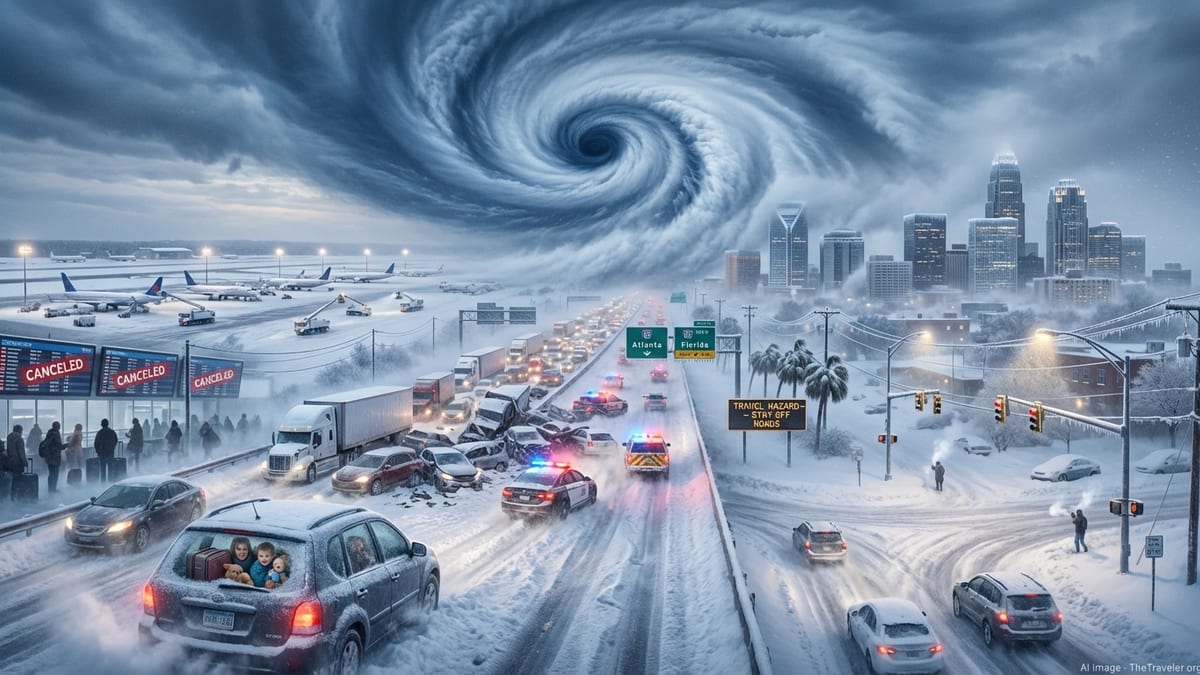
Two Storms, One Messy Stretch of Travel
Publicly available forecasts from the National Weather Service and regional media describe a one‑two punch of wintry weather arriving just as Minnesotans look ahead to spring. The first system is expected to move in Wednesday evening, spreading a mix of snow, sleet, freezing rain and rain from the Dakotas into western and central Minnesota overnight into Thursday morning. A second system is projected to follow closely on its heels late Friday into Saturday, reinforcing the risk of difficult driving conditions through the start of the weekend.
Coverage from outlets including MPR News and Country Herald indicates that both rounds will feature temperature profiles hovering near the freezing mark, a classic setup for mixed precipitation rather than a pure snow event. That raises the likelihood of rapidly changing surface conditions, with wet pavement turning slick in a short period as heavier bursts of snow or pockets of freezing rain pass through.
Forecast discussions highlight that the impacts may be felt over a broad portion of the state, from the Red River Valley and northwest Minnesota through the Twin Cities corridor and into northeast Minnesota and the North Shore. Travel corridors such as Interstate 94, Interstate 35 and Highway 61 are expected to see periods of slush, ice and snow‑covered stretches, especially overnight and in the early morning hours when road treatment is still catching up.
While exact precipitation totals vary by region, the overall message from meteorologists is consistent: the two systems, in quick succession, are likely to create multiple windows of slick and occasionally hazardous travel, rather than a single, short‑lived burst of winter weather.
Regional Breakdown: From Twin Cities Slush to North Shore Snow
In central and southern Minnesota, including the Twin Cities metro, the first round is expected to arrive as a mix of rain, wet snow and pockets of freezing rain. Country Herald’s central Minnesota outlook notes that precipitation developing Wednesday afternoon and evening could transition to a wintry mix overnight, with ice glazing possible on untreated bridges, ramps and secondary roads. With ground temperatures marginally above freezing in some urban areas, accumulation on major highways may be uneven, but ramps and residential streets could become particularly slick.
Northwest Minnesota and portions of eastern North Dakota are under a Winter Weather Advisory spanning Wednesday night into Thursday, according to regional television coverage. Forecasts there call for several inches of snow, locally enhanced by light ice, enough to reduce visibility and create snow‑covered stretches on rural highways. Reports describe Thursday’s commute as a primary concern, with slow‑moving traffic likely where snow bands set up before daybreak.
Farther northeast, along the North Shore and around Duluth, the story shifts toward heavier snow totals. Coverage from Duluth‑area outlets describes wet, dense snow developing after an initial wintry mix, with totals of 6 to 10 inches possible near Lake Superior as the first system intensifies. Another wave late Friday into Saturday could add several more inches across northern Minnesota, extending the period of hazardous driving, particularly along exposed stretches of Highway 61 and on elevated terrain inland from the lake.
Northwest Wisconsin, though outside Minnesota’s borders, is part of the same storm corridor, with some forecasts calling for up to a quarter of an inch of ice in selected areas. That nearby signal of significant icing underscores the potential for similar spotty ice accumulation in eastern Minnesota where shallow layers of subfreezing air linger at the surface.
Timing the Worst Conditions for Drivers
Across the state, the most challenging travel windows are expected to align with overnight and early morning hours, when temperatures dip and road crews are often racing the clock ahead of commuter traffic. Forecasts from multiple media outlets emphasize Thursday morning as a key period, with snow, sleet and freezing rain likely still falling or just beginning to taper in many locations as people head to work and school.
As the first system exits later Thursday, a brief lull is possible, but guidance highlighted in regional coverage suggests roads may remain slushy and refreeze in spots after sunset. Any residual moisture left on pavement can quickly glaze over as temperatures slide back toward freezing Thursday night, especially in low‑lying or less‑traveled areas.
The second round, expected from late Friday into Saturday, introduces another period of concern. Northern Minnesota appears most exposed to additional snowfall, but mixed precipitation could again develop across central parts of the state. With winds forecast to increase to 20 to 30 miles per hour near Lake Superior, blowing and drifting snow may further degrade visibility and lead to rapidly changing conditions along open stretches of highway.
Travel impacts, therefore, may come in waves: slick evening and overnight roads Wednesday, a difficult Thursday morning commute, refreezing Thursday night, and renewed problems from fresh snow and gusty winds heading into Saturday. For travelers, the pattern suggests that even short trips may require extra time and flexibility over several consecutive days.
Travel Risks: From Black Ice to Slushy Lanes
When temperatures linger close to freezing, as forecast in this event, even modest precipitation can have outsize effects on travel. Public weather briefings and local reports point to the classic hazards of a wintry mix: thin, nearly invisible layers of ice on pavement, heavy wet snow that quickly turns to deep slush in traffic lanes, and sudden drops in visibility under stronger bursts of snow or sleet.
Bridges, overpasses and elevated ramps are often the first trouble spots, cooling more quickly than surrounding surfaces and allowing ice to form even when air temperatures sit just above 32 degrees Fahrenheit. In urban cores such as Minneapolis and St. Paul, high traffic volumes can help keep mainline pavement wet rather than snow‑covered, but that same traffic can churn new snow into rutted slush that grabs tires and lengthens stopping distances.
In rural and northern areas, heavier snow rates and stronger winds add other challenges. Forecasts mentioning snowfall rates of up to one‑half inch per hour in parts of northern Minnesota indicate that roads can transition from wet to snow‑covered in a short span. Gusty winds along the North Shore may further polish surfaces and blow snow back onto recently plowed sections, requiring repeated passes by maintenance crews.
Publicly posted winter driving guidance continues to stress reduced speeds, greater following distances and extra caution at intersections, where packed snow and ice can linger even after plowing. For visitors and spring break travelers who may not expect mid‑April style winter conditions, the combination of mixed precipitation types and changing road conditions can be particularly deceptive.
What Travelers and Residents Can Expect Next
As of the latest publicly available forecasts on April 2, the overall scenario remains one of high confidence in messy conditions, even if precise snow and ice totals vary from town to town. Meteorologists point out that small shifts in temperature a few hundred feet above the surface can dramatically alter whether a location sees more snow or more ice, which in turn affects how quickly roads deteriorate.
Many school districts and local institutions are already responding to the outlook. Regional media coverage notes that some Minnesota schools have announced closures or shifts to virtual learning for Thursday, anticipating difficult morning travel and the potential for rapidly changing conditions as the first storm peaks. Additional schedule changes remain possible if the second round of wintry weather evolves as projected.
For those planning road trips through Minnesota or connecting across the Upper Midwest, the next several days may require close attention to updated forecasts, as well as flexible departure times. With two distinct systems moving through in quick succession, a route that appears manageable in the afternoon could become far more challenging by nightfall, and vice versa, depending on the timing of heavier bands of snow or ice.
Despite the calendar flipping to April, long‑range climate data and regional commentary frequently point out that significant winter weather in Minnesota during the first half of the month is not unusual. The unfolding pattern of wintry mix and snow this week serves as another reminder that spring travel across the North Star State can still be shaped by classic winter hazards, from black ice to heavy, wind‑driven snow.