

More news on this day
As a partial U.S. government shutdown drags on, the leaders of the country’s largest airlines are urging Congress to swiftly restore funding for the Department of Homeland Security and guarantee pay for Transportation Security Administration officers, warning that continued lapses could strain airport security and disrupt the peak travel season.
Get the latest news straight to your inbox!
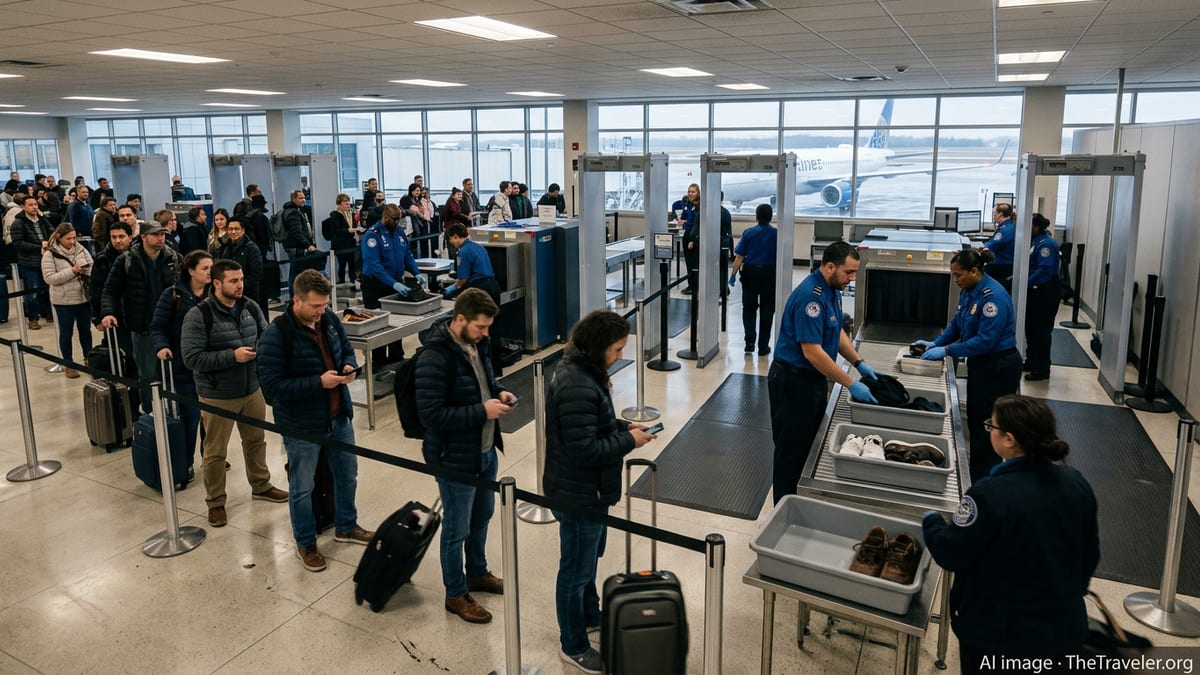
Airline Chiefs Warn of Mounting Strain on Airport Security
In an open letter published over the weekend, chief executives from major carriers including American Airlines, Delta Air Lines, United Airlines, Southwest Airlines and JetBlue Airways called on lawmakers to end the funding standoff that has left tens of thousands of TSA officers working without pay. According to published coverage, the letter argues that airport security staff are performing an essential public safety function while bearing the financial burden of the political impasse.
Publicly available information indicates that about 50,000 TSA officers are affected by the lapse in Department of Homeland Security funding. With each missed paycheck, worker absenteeism risks increasing as employees juggle rent, childcare and transportation costs without income. Airport executives have already reported instances of stretched security lines at some hubs, although most checkpoints remain operational.
Airline leaders frame the situation as both a safety concern and a looming operational challenge. They note that during previous shutdowns, even modest increases in unscheduled absences among security and air traffic personnel created bottlenecks at checkpoints, contributed to flight delays and undermined traveler confidence. The CEOs argue that allowing a similar pattern to develop now, during a busy travel period, would be avoidable if Congress moved quickly to guarantee pay.
The letter also reflects a broader anxiety within the travel sector that air transport is being treated as a recurring bargaining chip in budget disputes. Industry groups describe air travel as a critical economic engine that depends on a stable federal workforce, from TSA officers screening passengers to Customs and Border Protection staff processing international arrivals.
Calls to Decouple Essential Aviation Pay from Politics
The appeal from airline leaders builds on a wider push within the aviation community to shield key safety and security roles from the direct effects of future shutdowns. In recent months, trade groups representing airlines, airports, pilots, flight attendants and air traffic controllers have backed legislative proposals that would ensure uninterrupted pay for critical aviation personnel whenever federal appropriations lapse.
According to recent industry statements, these efforts focus on workers such as TSA officers, air traffic controllers, aviation safety inspectors and certain Federal Aviation Administration staff. Advocates argue that these positions are so central to the functioning of the national airspace system that their compensation should not be vulnerable to partisan stalemates, even if other parts of the federal government experience funding gaps.
Public documents show that similar debates followed the 2018 to 2019 shutdown, when unpaid controllers and TSA officers reported rising financial hardship and some airports experienced longer security lines and occasional flight disruptions. That episode prompted new laws guaranteeing back pay once funding was restored, but it did not resolve the immediate cash flow problems workers faced during the shutdown itself.
Airline executives now contend that retroactive pay is not enough. They are urging Congress to adopt permanent protections that would allow frontline aviation security and safety employees to receive timely paychecks even when broader budget negotiations stall, arguing that this change would improve resilience and reduce the risk of operational slowdowns.
Travelers Already Feeling the Effects at Airports
While the current shutdown has not yet produced the widespread delays seen in earlier funding crises, signs of strain are emerging at several large U.S. airports. Airport operators have described patchy staffing at some security checkpoints, with occasional reports of closed lanes or longer peak-hour waits as schedules are adjusted to reflect staffing realities.
Reports from major hubs indicate that local airport authorities, airlines and community groups are organizing support drives for unpaid federal workers, including food pantries, grocery vouchers and gift card collections. These efforts highlight the financial pressure on TSA officers and other federal employees who are expected to report for duty while navigating missing paychecks.
Travel analysts note that many passengers are unaware of the funding status of federal security personnel but quickly notice when checkpoint wait times lengthen or when flights are delayed due to staffing issues. Industry observers warn that if the shutdown continues for several more weeks, more pronounced disruptions could materialize, particularly around busy holiday and school vacation periods when airports already operate near capacity.
For now, travelers are being advised by airlines and airports to arrive earlier than usual for flights, especially at large hub airports and during morning and late afternoon peaks. Official guidance generally suggests allowing extra time for security screening, as conditions can change rapidly based on daily staffing and traffic volumes.
Economic Stakes for Airlines, Workers and Destinations
The financial implications of prolonged uncertainty around TSA staffing extend beyond security lines. Airlines face higher operational risks when schedule reliability is threatened by potential staffing shortfalls among federal partners. Missed connections, last-minute gate changes and cascading delays increase costs for carriers and inconvenience for passengers.
Travel industry organizations have emphasized that local economies are also at risk. Many U.S. destinations rely heavily on air arrivals, and any erosion of traveler confidence can reduce visitor spending on hotels, restaurants, attractions and ground transportation. Business travel, which often depends on tight schedules and predictable airport processing times, may be particularly sensitive to recurring shutdown-related disruptions.
Federal workers themselves represent another economic dimension. TSA officers often live in communities near airports where their salaries support local businesses and services. When paychecks stop, spending contracts, and community organizations may step in to fill short-term gaps with food drives or emergency assistance, adding visible reminders of the human impact of federal funding lapses.
Analysts observing the current shutdown suggest that if Congress does not resolve the standoff soon, pressure from the travel and tourism sector could intensify. Airlines, airports, hotel groups and travel associations have a shared interest in predictable federal operations, and their coordinated calls for guaranteed pay for essential workers may carry growing weight as the shutdown’s costs accumulate.
Legislative Options and Next Steps in Washington
Lawmakers from both parties have previously introduced bills aimed at insulating key aviation roles from the full brunt of shutdowns, but those proposals have not yet been adopted as permanent policy. Recent letters from airline chiefs and broader coalitions of aviation stakeholders are reviving interest in such measures and urging congressional leaders to treat them as a priority as negotiations continue.
According to public legislative records and industry statements, current concepts under discussion include targeted appropriations for agencies responsible for aviation safety and security, as well as statutory guarantees of pay for designated essential roles whenever broader agency funding expires. Supporters say this approach would reduce disruption risk while preserving the broader budget process.
Any legislative compromise is likely to be shaped by wider debates over federal spending, immigration enforcement and border security, which have repeatedly influenced Department of Homeland Security funding discussions. Analysts note that past shutdowns ended only after sustained public and industry pressure highlighted the economic and safety consequences of prolonged stalemates.
For the moment, airline leaders are keeping their message focused on the immediate need to compensate TSA officers and other frontline aviation workers. Their latest appeal underscores how closely the nation’s air transportation system depends on a stable partnership between private carriers and federal personnel, and how quickly that balance can be tested when political disputes interrupt the flow of government paychecks.