

More news on this day
A lawsuit filed in a New York federal court is drawing international attention after a child was badly burned by a hot drink on a United Airlines flight from Newark to Tel Aviv, with both the United States and Israel named among the defendants due to their roles in governing aviation safety and sovereign liability.
Get the latest news straight to your inbox!
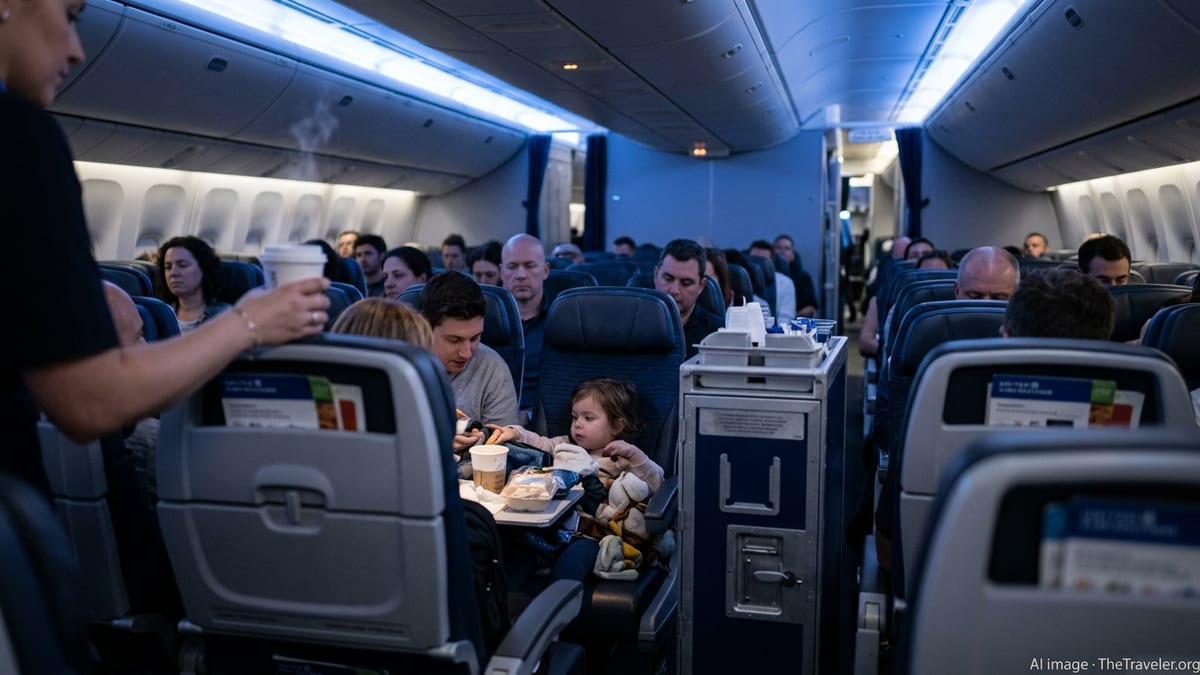
Lawsuit Alleges Severe Burns During Transatlantic Flight
According to publicly available court filings and media coverage, the case centers on an incident in which a young child was scalded by a hot beverage served during a United Airlines flight operating the busy Newark–Tel Aviv route. The complaint describes significant burns to the child’s lower body after a hot drink was handled in a way the family argues was unsafe in a crowded cabin environment.
Reports indicate the suit argues that the drink was served at a temperature and in a manner that created an unreasonable risk of harm, particularly for a minor seated in a confined economy-class space. The family contends that basic precautions, such as more secure cups, lids, or direct service by crew members, could have prevented the accident.
The filings describe lasting physical and psychological effects, including visible scarring, pain, and anxiety related to flying and hot liquids. The family is seeking financial damages for medical expenses, long-term care, and the child’s diminished quality of life, along with broader recognition of what they characterize as systemic safety lapses around serving hot drinks on international flights.
Why the United States and Israel Are Named as Defendants
Although the incident occurred aboard a commercial aircraft operated by a private carrier, the complaint also names the United States and Israel. Publicly available information shows that the lawsuit argues both governments play a central role in regulating air travel, setting safety standards, and shaping the legal framework that governs passenger injuries on cross-border flights.
Legal analysts note that claims against sovereign states in aviation cases often hinge on complex questions of jurisdiction and immunity. The suit appears to invoke international aviation treaties and domestic statutes that define when a country can be held responsible for alleged failures in oversight, certification, or emergency response standards applicable to carriers flying between their territories.
Such claims against governments face a high legal bar. Courts typically examine whether the conduct at issue falls within areas where sovereign immunity is preserved, or whether specific exceptions apply when commercial activities or international transportation are involved. The outcome of any preliminary motions on jurisdiction may shape how far the case proceeds and which parties ultimately remain in the litigation.
Hot Beverage Service Under Scrutiny in Airline Safety Debates
The case adds to a growing list of suits involving burns from hot liquids on commercial flights. Recent coverage has highlighted several high-profile incidents in which passengers, including young children, were scalded by hot water, tea, or in-flight meals while seated in cramped cabins on long-haul routes. In some of those matters, plaintiffs alleged extremely high serving temperatures and inadequate handling protocols by crew members.
Aviation safety discussions increasingly focus on how everyday services, such as pouring coffee or tea, can become hazardous in turbulence or narrow aisles. Industry observers point out that hot liquids can reach temperatures that cause serious burns within seconds, especially for small children whose skin is more vulnerable. Small spills in an airliner’s tight seating configuration can quickly soak clothing and trap heat against the skin.
Published analyses of child burn injuries consistently note that hot drinks are a common cause of scalds in domestic settings, and comparable risks exist in the confined environment of an aircraft cabin. Advocates for stronger in-flight safety measures argue that airlines should treat hot beverage service with the same rigor they apply to baggage stowage and turbulence procedures.
Potential Implications for Airlines on the Newark–Tel Aviv Route
The Newark–Tel Aviv corridor is a heavily traveled long-haul route linking a major U.S. hub with Israel’s primary international gateway. Any litigation involving a serious injury on this route attracts attention not only from travelers but also from regulators and legal experts monitoring standards in transatlantic aviation.
If the plaintiffs succeed in advancing their claims, the case could influence how carriers design service protocols for hot drinks on international flights. Observers say airlines may revisit crew training, cup and lid design, tray stability, and policies for serving hot beverages to or around young children. Even without a final judgment, high-profile allegations can prompt carriers to quietly adjust procedures to reduce risk.
The naming of both the United States and Israel also underscores the cross-border nature of aviation governance on this route. The case may highlight how regulations, inspection regimes, and bilateral agreements between the two countries interact with international treaty obligations that govern passenger injury claims on international journeys.
What Passengers and Families May Watch in the Case
Travelers planning family trips between the United States and Israel are following developments closely, particularly those who routinely fly with young children. As the case moves through preliminary stages, key issues are expected to include the extent of the airline’s responsibility for how hot beverages are served, and whether sovereign defendants remain part of the litigation after early motions.
Families and consumer advocates may look for signals that airlines are reviewing internal policies, including temperature controls for hot water, guidance on serving drinks to minors, and availability of first-aid resources for burns on long-haul flights. Observers note that even incremental changes, such as sturdier cups, mandatory lids, or more restrictive rules on children carrying hot liquids, can substantially reduce the likelihood of serious injury.
For now, the case serves as a reminder that seemingly routine aspects of in-flight service can have significant safety implications. As court proceedings continue, the outcome may shape expectations for how airlines, regulators, and governments address the risks posed by hot beverages in crowded cabins on some of the world’s busiest international routes.