

More news on this day
U.S. travelers heading to Colombia this week are being urged to brace for transport delays, tighter security and temporary border closures as the country prepares for crucial March 2026 elections, according to a new alert from the U.S. Embassy in Bogotá.
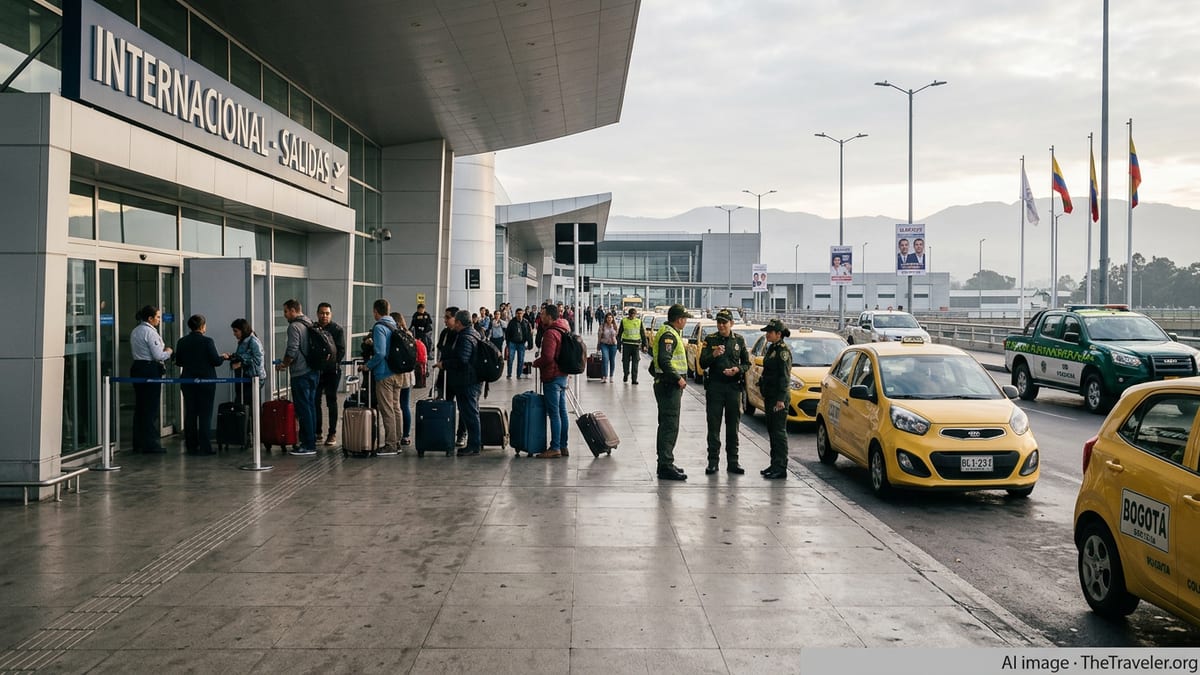
Border Closures and Transport Slowdowns Around March 8 Vote
The U.S. Embassy has advised American citizens that Colombia’s congressional elections and presidential primaries on March 8, 2026, are expected to bring significant travel disruptions nationwide. Authorities plan to close all land and sea borders for several days surrounding the vote, a measure Colombian governments have used in previous election cycles to limit cross-border crime and maintain public order.
According to recent guidance circulated to U.S. citizens, those closures are expected to fall between March 7 and March 9, affecting crossings with neighboring countries such as Venezuela, Brazil, Peru, Ecuador and Panama. Travelers who had planned overland segments by bus, car or boat during that period may find routes abruptly suspended or heavily restricted.
Domestic movement within Colombia is also likely to slow as security checkpoints expand and law enforcement visibility increases. The embassy alert notes that road traffic around major cities and along intercity highways could be disrupted by police operations, roadblocks and convoy movements, especially on the days immediately before and after the vote.
Air travelers are being told to allow extra time for airport security and possible delays if access roads become congested or temporarily blocked. While Colombia’s main international hubs in Bogotá, Medellín and Cartagena are expected to remain open, the embassy warns that last minute schedule changes, cancellations or missed connections are possible if protests or security incidents flare.
Security Concerns and Risk Hotspots Highlighted
The embassy warning comes as Colombian civil society observers report elevated risks of election-related violence in parts of the country. The Electoral Observation Mission has identified hundreds of municipalities with high or extreme risk levels tied to the presence of illegal armed groups and political intimidation, particularly in rural departments where state control is weaker.
Recent incidents targeting candidates and campaign staff in outlying regions have reinforced concerns that localized clashes or threats could escalate as voting day approaches. Although major tourist centers like Bogotá, Medellín, Cartagena and the Coffee Region have seen fewer direct attacks, authorities are treating the elections as a nationwide security operation and are deploying additional police and military personnel.
For travelers, that means a higher likelihood of encountering uniformed patrols, ad hoc vehicle searches and restrictions near government buildings, campaign offices and polling stations. The U.S. Embassy is reminding visitors that even peaceful gatherings can quickly attract counter-demonstrations or opportunistic crime, and that foreigners should avoid crowds linked to politics.
The alert also notes that Colombia remains under a broader Level 3 “reconsider travel” advisory from the U.S. Department of State due to persistent risks from crime and terrorism. The March elections, while not expected to drastically alter conditions in the main tourist corridors, add an extra layer of unpredictability to travel, especially for those venturing off the beaten path.
Guidance for Tourists Already in Colombia
Americans currently in Colombia are being urged to review their personal security plans and stay flexible in case normal routines are disrupted. The embassy recommends that travelers monitor local news outlets and official announcements for updates on road closures, curfews or last minute changes to border restrictions.
Visitors moving around urban areas are advised to keep car doors locked and windows up in traffic, remain alert at traffic lights and avoid displaying phones or valuables near open windows. Ride-hailing services and registered taxis remain the preferred option at night, but travelers are encouraged to build in extra time in case drivers need to reroute around checkpoints or demonstrations.
In regions that have seen recent political tensions or armed group activity, the embassy suggests considering whether non-essential road trips can be postponed until after the election period. Travelers who must move through higher risk areas are urged to travel during daylight hours only, keep fuel tanks topped up and let someone know their planned route and expected arrival time.
The advisory also emphasizes the importance of maintaining copies of passports and key documents, ensuring mobile phones are fully charged before long journeys and having sufficient cash in case digital payment systems or ATMs are temporarily disrupted in smaller towns.
Recommendations for Those With Upcoming Trips
For travelers with imminent departures to Colombia, the U.S. Embassy’s message is not to cancel trips outright, but to plan carefully around the election window. Those scheduled to arrive or depart between March 7 and March 9 should check with airlines, tour operators and hotels for any operational changes and verify that transfers from airports or bus terminals remain available.
Tourists planning multi-country itineraries that include overland segments into or out of Colombia are being urged to reconsider border crossings during the closure period. Adjusting plans to fly between major hubs rather than relying on buses or private cars can reduce uncertainty, particularly along historically sensitive frontiers.
The embassy also encourages U.S. citizens to enroll in the Smart Traveler Enrollment Program so they can receive security updates directly by email or text. This allows consular officials to reach travelers quickly if conditions deteriorate or if targeted alerts are issued for specific regions or cities.
Finally, visitors are being reminded that political neutrality is key. Foreigners are advised not to wear campaign colors, participate in rallies or comment publicly on local politics, especially in bars, taxis or other informal settings. Keeping a low profile and giving election activities a wide berth, embassy officials say, remains the most effective way to enjoy Colombia’s cities, coasts and mountains while this pivotal vote unfolds.