

More news on this day
The United States government has quietly refreshed its public guidance for Americans planning trips to Finland, urging travelers to stay alert to regional security tensions, harsh winter weather and evolving digital risks even as the Nordic nation remains classified at the lowest advisory tier.
Get the latest news straight to your inbox!
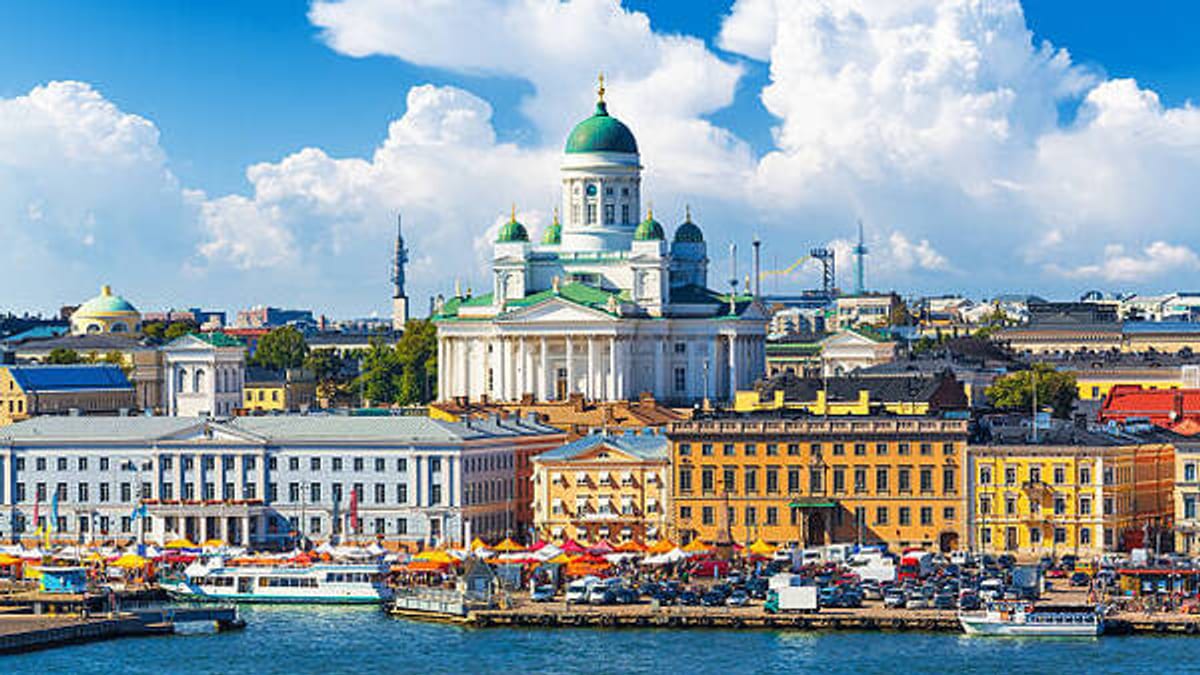
Image by Global Travel Alerts, Advisories, International Travel Alerts
Finland Remains Level 1, but Context Has Shifted
Finland continues to be listed at Level 1, the lowest category in the U.S. Department of State’s travel advisory system, meaning U.S. citizens are advised to exercise normal precautions when visiting the country. Publicly available advisory documents and recent fact sheets reiterate that Finland is broadly viewed as a safe and well-regulated destination for American tourists.
The latest notice, reissued after a routine review in August 2024 and echoed in more recent U.S. government travel-fact publications, did not dramatically alter the overall risk rating. Instead, it sharpened language around staying informed about local conditions, monitoring news and registering trips in official traveler enrollment programs, reflecting a global environment that has become more volatile since 2022.
For most visitors, the updated language will not translate into visible changes on the ground. It does, however, signal that even traditionally low-risk destinations like Finland are now framed within a broader backdrop of geopolitical tension, cyberthreats and climate-related disruptions affecting travel across Northern Europe.
Travel industry analysts note that such recalibrated messaging is increasingly common worldwide, as governments seek to balance reassurance with candid acknowledgment of new and emerging risks without discouraging tourism outright.
Border Security and Regional Tensions Along the Russian Frontier
One area of heightened attention in recent guidance relates to Finland’s long border with Russia and the country’s shifting security posture since joining the North Atlantic Treaty Organization. Public travel information highlights that regional tensions and military activity in the broader Baltic and Arctic regions have increased in recent years, even though there are no indications of direct threats to tourists in Finnish cities and resort areas.
Open-source reporting has documented periods of tightened controls and temporary closures at select eastern land crossings following concerns about irregular migration and broader instability on Europe’s external borders. While these measures have mainly affected land transit rather than air arrivals from the United States, they illustrate how quickly conditions can change in the vicinity of the Finnish-Russian frontier.
Travel guidance encourages visitors to remain aware of any local restrictions that could affect movement in border-adjacent regions, to follow updates from municipal authorities and transport providers, and to avoid attempting to cross into neighboring states outside established checkpoints. Tour operators serving Lapland and eastern Finland have also emphasized advance planning for overland excursions that approach sensitive frontier zones.
Security analysts point out that Finland’s robust policing, intelligence cooperation with European partners and NATO membership all contribute to a relatively stable internal environment, even as the country adapts to a more complex security landscape along its eastern edge.
Severe Winter Weather and Nature Hazards Now More Prominent
Weather and nature-related hazards feature more prominently in recent U.S. and European travel materials concerning Finland, reflecting both the country’s northern latitude and a series of increasingly intense winter systems affecting the wider region. Public guidance underlines that snow, ice and strong winds can disrupt air, rail and road travel during the colder months, particularly in Lapland and more remote northern areas.
Meteorological agencies across Scandinavia have reported storms bringing heavy snow accumulations and hazardous winds, prompting local warnings and temporary closures of roads and ferry routes. While Finland’s infrastructure is generally well prepared for winter, such events can still delay internal flights, cancel train services and make driving challenging for visitors unfamiliar with Arctic conditions.
Existing U.S. country information already advised motorists to watch for moose and other wildlife on major roads, especially at night. Current safety messaging expands that focus by encouraging travelers to check forecasts frequently, carry suitable cold-weather gear and allow ample time for overland journeys. American travelers are also urged to pay close attention to local advice on ice safety before venturing onto frozen lakes or participating in popular activities such as ice fishing and snowmobiling.
Travel professionals recommend that visitors booking winter trips build flexibility into itineraries, purchase comprehensive travel insurance that covers weather-related disruptions, and verify cancellation policies for domestic transport and accommodation within Finland.
Digital Security, Infrastructure Incidents and Connectivity Concerns
Another subtle shift in the way Finland is discussed in international travel guidance relates to digital security and critical infrastructure. In late 2025, a widely reported disruption affected an undersea data cable linking Finland with a neighboring Baltic state, briefly raising questions about the resilience of regional communications. Investigations led to detentions and ongoing legal proceedings involving crew members from a commercial vessel, while data traffic was rerouted through alternative connections.
Although the incident did not directly endanger tourists, it drew attention to how cyberattacks, sabotage or technical failures can temporarily affect mobile data, payment systems or online services relied upon by travelers. Publicly available travel information now more consistently advises visitors to maintain offline copies of travel documents, keep critical information stored on devices rather than solely in the cloud, and be prepared for short-term connectivity interruptions.
Cybersecurity experts note that Finland is generally considered a highly digitized and secure environment, with strong protections for financial transactions and personal data. Nonetheless, the broader trend across government advisories is to remind travelers that even advanced digital societies are not immune to targeted disruptions or broader regional tensions that may spill over into the cyber domain.
For American tourists, practical steps such as using strong device passwords, enabling multi-factor authentication on important accounts and avoiding untrusted public Wi-Fi networks are now presented as basic elements of safe international travel, including in Finland.
Health, Personal Safety and Practical Precautions for Visitors
Health and personal safety sections of U.S. and European government travel pages continue to portray Finland as a country with low violent crime rates, clean water and high-quality medical care. Nonetheless, the latest language encourages travelers to remain alert in crowded urban venues, transport hubs and major events, reflecting a global emphasis on general situational awareness rather than any Finland-specific pattern of incidents.
Standard advice includes safeguarding passports and wallets in busy areas, using licensed taxis or reputable ride services, and taking normal precautions against petty theft in tourist districts. Guidance also reiterates that alcohol-related incidents and impaired driving can pose risks, especially during festival periods or nightlife outings in major cities such as Helsinki, Tampere and Turku.
From a health perspective, publicly available information describes Finland’s healthcare system as advanced and accessible, while still recommending that visitors carry proof of insurance, sufficient supplies of prescription medications and a basic understanding of how to contact emergency services. Seasonal considerations, including the need for insect protection during the summer in lake and forest regions and appropriate clothing during the extended winter, are underscored as practical safety measures.
Overall, the updated U.S. messaging frames Finland as a welcoming, low-risk destination, but one situated within a rapidly evolving regional and global context. Travelers are encouraged to pair traditional expectations of Nordic safety and efficiency with a more contemporary mindset that prioritizes preparedness, digital resilience and close attention to local conditions throughout their stay.