

More news on this day
Reports circulating in early 2026 suggest the United States has downgraded its travel warning for Venezuela to Level 3, sparking fresh debate over whether the crisis-hit South American nation is finally becoming a realistic destination again for American travelers.
Get the latest news straight to your inbox!
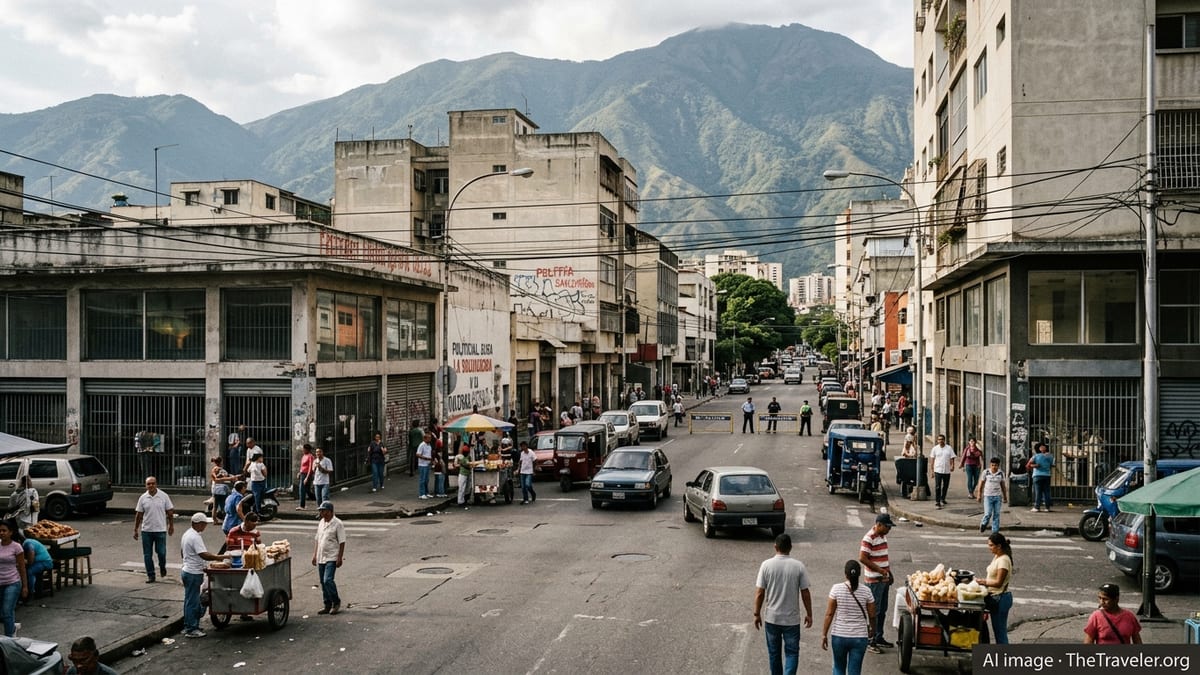
What a Level 3 Advisory for Venezuela Would Actually Mean
Under the U.S. State Department’s four-tier travel advisory system, a Level 3 warning urges travelers to reconsider nonessential trips because of serious safety and security risks. It sits just below the strictest Level 4, which effectively tells travelers to avoid a destination entirely. For Venezuela, a shift from Level 4 to Level 3 would signal that the government still sees significant danger, but no longer views the situation as so acute that all travel should be avoided in every circumstance.
Level 3 advisories still indicate elevated risks that can include violent crime, political instability, wrongful detention, and limited access to quality medical care. For many destinations at this level, travel is generally limited to those with strong reasons to go, such as family visits, humanitarian work, or essential business, and who are prepared to put in considerable effort to manage their own security.
In Venezuela’s case, any notional downgrade would follow years of Level 4 status, which had reflected extreme political turmoil, economic collapse, and a breakdown in public services. Even with an upgraded rating, travelers would still be expected to exercise caution well beyond what they might in more typical Level 3 countries, given lingering challenges such as armed groups, sporadic unrest, and a fragile security environment.
For tourism operators and airlines, a move to Level 3 would be symbolically significant. Some companies that avoid Level 4 destinations as a matter of policy may reassess the viability of limited services, especially around major cities, while still imposing strict conditions and higher insurance premiums.
Security Conditions on the Ground Remain Volatile
Despite talk of a lowered advisory, publicly available reporting throughout late 2025 and early 2026 has consistently highlighted severe safety concerns in Venezuela. Coverage has described persistent reports of armed pro-government groups, criminal organizations, and ad hoc roadblocks in and around major urban areas. Political tensions, including high-profile arrests and protests, have periodically boiled over into street clashes and localized crackdowns.
Analyses by international media and security observers point to a patchwork landscape of authority in which state forces, paramilitary collectives, and criminal networks often overlap. In some neighborhoods, these actors reportedly operate with varying degrees of autonomy, creating unpredictable conditions for residents and visitors alike. For travelers, this can translate into sudden changes in which roads are passable, which districts are considered relatively safe, and whether movement after dark is advisable at all.
Kidnapping, carjacking, and armed robbery have been recurring concerns in Venezuela for years, and experts note that economic hardship has not eliminated these risks. Opportunistic crime can occur in busy areas such as bus terminals, markets, and transport interchanges, while more organized targeting has been reported along highways and in wealthier districts. Travelers perceived as having foreign connections or financial resources may face particular vulnerability.
In addition, large-scale demonstrations, often triggered by political developments or economic measures, can erupt with relatively little notice. These gatherings have historically led to road closures, disrupted public transport, and confrontations that escalate quickly. Visitors caught inadvertently in such events can find it difficult to exit safely, especially in areas where law enforcement or emergency services are already stretched thin.
Limited Consular Support and Fragile Infrastructure
Another critical question for 2026 travelers is the extent to which the United States can provide help if something goes wrong. For several years, U.S. diplomatic operations in Venezuela have been sharply scaled back, and official notices have emphasized that the government has very limited ability to offer consular services inside the country. That includes assistance in cases of arrest, medical emergency, or evacuation during a sudden deterioration in security.
Published advisories and news coverage reiterate that U.S. citizens in Venezuela should not expect the kind of support they might receive in countries with fully functioning embassies and consulates. Even routine services, such as passport renewal or notarial assistance, have often required travel to third countries, complicating logistics for anyone who encounters administrative issues mid-trip.
Beyond diplomatic access, Venezuela’s own infrastructure presents a serious concern. Longstanding problems with power cuts, water supply, fuel availability, and health care capacity have been widely documented. Hospitals outside major private facilities in Caracas and a handful of other cities can struggle with medication shortages, malfunctioning equipment, and staff constraints. Travelers with chronic conditions, limited Spanish, or a need for specialized treatment face particular risk if they fall ill or are injured.
Telecommunications and banking have also been inconsistent. Mobile coverage and internet access may be patchy or unreliable, especially outside central urban zones. Some reports note difficulties using foreign bank cards or accessing cash, and travelers sometimes resort to informal currency exchange channels, which carry their own safety and legal uncertainties.
Who Might Still Consider Traveling in 2026?
Against this backdrop, the prospect of a Level 3 advisory raises the question of who, if anyone, should contemplate travel to Venezuela in 2026. Travel risk consultants and regional analysts generally suggest that any such trip be approached as a high-risk undertaking, better suited to seasoned travelers with strong local knowledge, trusted contacts on the ground, and a clear purpose that justifies the exposure.
Individuals with close family ties in the country, specialized professional obligations, or long-standing community partnerships may weigh the benefits differently from casual tourists. These travelers are more likely to invest the time and resources required to prepare detailed contingency plans, including secure transport, vetted accommodation, and multiple exit strategies in case conditions suddenly deteriorate.
For mainstream leisure visitors, the calculus is very different. While Venezuela’s natural assets remain extraordinary, with Caribbean coastlines, the Andes, and the Amazon basin all within its borders, the current environment introduces layers of complexity that most vacationers neither expect nor desire. Standard travel insurance policies often exclude coverage for destinations under higher-tier advisories, and many tour operators remain hesitant to market itineraries there until conditions stabilize more convincingly.
Prospective travelers who are still determined to go in 2026 are widely advised in public guidance to monitor official advisories closely, follow independent security analysis, and consider speaking with operators experienced in high-risk environments. Careful route planning, conservative movement patterns, and an emphasis on low-profile behavior are frequently highlighted as basic risk-mitigation measures.
Balancing Venezuela’s Tourism Potential With Ongoing Risks
Venezuela’s long-term tourism potential continues to attract attention, especially as airlines explore the gradual restoration of air links and regional governments discuss economic cooperation. Industry watchers see a country with world-class landscapes, a rich cultural heritage, and a large diaspora eager to reconnect. In principle, a genuine and sustained improvement in security, governance, and infrastructure could someday position Venezuela as a major player in South American tourism again.
For now, however, the conversation around a shift to Level 3 is more about nuance than normality. A lower advisory level would not eliminate the deep structural challenges that have shaped Venezuela’s recent history. Travelers considering a visit in 2026 must therefore treat any rating change as one data point among many, weighed against persistent reports of instability, restricted services, and constrained consular support.
As the situation continues to evolve, experienced observers stress the need for up-to-date information and flexible planning. Conditions on the ground can change quickly, for better or worse, and decisions made months in advance may need to be revisited shortly before departure. For most would-be tourists, that degree of uncertainty will likely keep Venezuela off the mainstream travel map a while longer, even if formal advisories begin to soften.