

More news on this day
A newly disclosed wiring flaw on Boeing’s 737 MAX family is forcing fresh inspections and rework in the United States, triggering near-term delivery delays in 2026 and sending ripples through airline fleet plans around the world.
Get the latest news straight to your inbox!
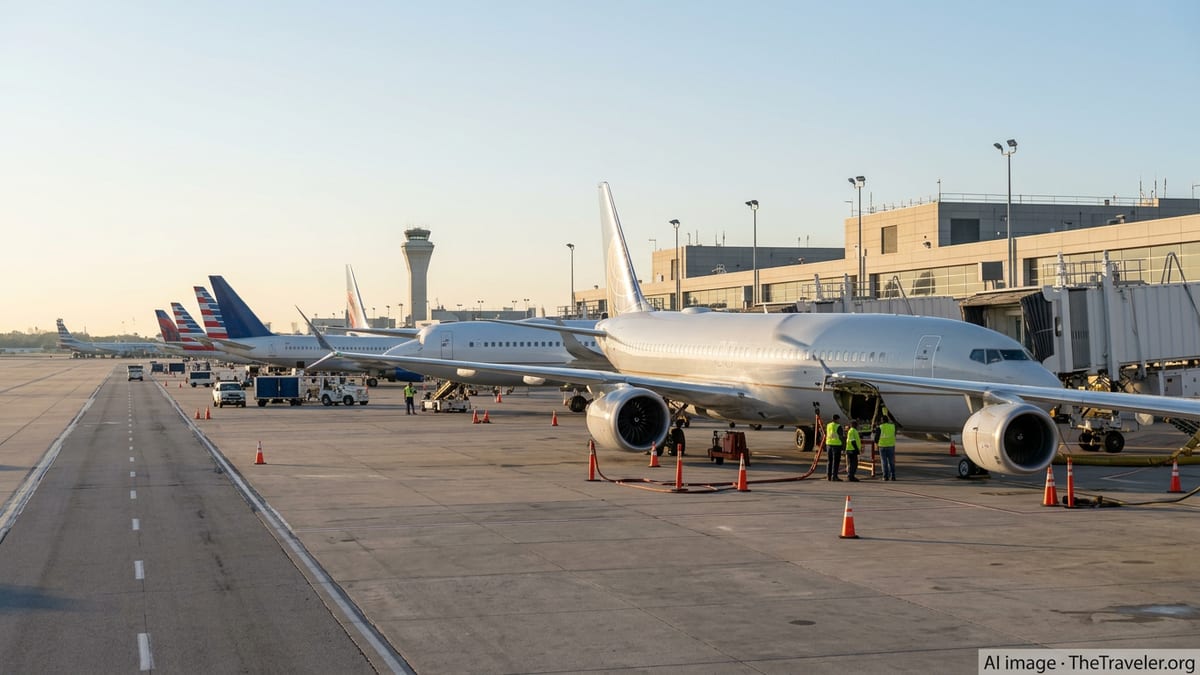
New Wiring Defect Rekindles Questions Over Boeing Quality
Boeing has begun inspecting and repairing a batch of newly built 737 MAX aircraft after discovering minor damage to electrical wiring bundles during production checks, according to several industry briefings this week. The issue, described as small scratches or chafing on wiring insulation, does not affect aircraft already in service but does require rework on jets that have yet to be handed over to customers.
The manufacturer has characterized the defect as a quality lapse rather than an immediate safety hazard, but its emergence is particularly sensitive after years of heightened scrutiny of the MAX program. Each affected jet must now undergo targeted inspections and, where necessary, partial removal of interior panels to access the wiring runs, adding days or weeks to individual delivery schedules.
The latest problem comes as Boeing is attempting to stabilize production of its best-selling narrowbody after a series of manufacturing and certification setbacks. While the company insists that its overall 2026 target of roughly 500 MAX deliveries remains intact, the wiring rework is expected to depress handovers in the first quarter and potentially shift a cluster of deliveries deeper into the year.
People familiar with airline discussions say several carriers have already been notified of short-term changes to their delivery slots. For operators relying on the MAX to cover fast-growing domestic and regional networks, even brief delays can force last-minute schedule adjustments or short-term aircraft leases.
U.S. Regulators Tighten Grip as Delivery Bottlenecks Form
The Federal Aviation Administration is once again at the center of the response, reinforcing the United States’ role as the primary gatekeeper for 737 MAX quality and deliveries. Under an oversight framework strengthened after the 2018 and 2019 MAX crashes and the January 2024 Alaska Airlines door plug incident, the FAA continues to limit production-rate increases and maintain close surveillance of Boeing’s Renton assembly lines.
Although the FAA has gradually restored some self-certification authority to Boeing, regulators still require extensive documentation and, in many cases, direct inspections before newly built MAX aircraft can receive final airworthiness approvals. The discovery of the wiring issue has prompted additional checks within this process, adding another layer to an already complex delivery pipeline.
With Boeing’s largest factories and most of its certification activity concentrated in the United States, the new bottleneck is effectively anchored on American regulatory and manufacturing soil. Airlines in Europe, Asia and Latin America will not see aircraft roll out of Renton until U.S. inspectors are satisfied that wiring on each affected jet meets updated standards.
Industry analysts note that while global regulators generally recognize FAA approvals, they are also watching the situation closely and could request supplemental data before clearing newly delivered MAX jets to enter service in their own jurisdictions. That prospect reinforces the central role of U.S. oversight in shaping the pace of the program worldwide.
Global Airlines Face Knock-On Effects in 2026 Fleet Plans
The latest delays are landing at a delicate moment for airlines that built their 2026 fleet and route strategies around a steady flow of new single-aisle aircraft. Carriers in North America, Europe, the Middle East and Asia Pacific have all booked significant 737 MAX capacity for network expansion, fuel-efficiency gains and replacement of older narrowbodies.
Even if the wiring issue is resolved within weeks, shifting deliveries from early 2026 into later in the year can complicate seasonal planning. Airlines counting on additional MAX jets for the northern summer peak may have to redeploy existing aircraft, wet-lease capacity or trim marginal routes. Some low-cost and leisure-focused operators, which often run tight utilization schedules, are seen as particularly exposed.
The problem also lands in the middle of a broader supply crunch in commercial aviation, with both Boeing and Airbus struggling to keep up with demand amid supply chain constraints. For airlines that have already exhausted options to switch positions between manufacturers, there is little immediate relief available. That dynamic magnifies the global impact of a wiring flaw discovered on a subset of jets in a single U.S. assembly system.
Travel industry observers say passengers are unlikely to notice the wiring rework itself, but may feel indirect effects such as limited capacity on popular routes or fewer last-minute fare deals during peak travel periods. In tight markets where every additional aircraft can support several new daily flights, even modest delivery disruptions can translate into higher loads and firmer pricing.
Boeing’s Recovery Strategy Tested by New Setback
For Boeing, the wiring issue is an unwelcome test of a multiyear effort to rebuild confidence among regulators, airlines and travelers. Since the Alaska Airlines midair panel blowout in 2024, the company has pledged a cultural reset on safety and quality, invested in new inspection regimes and moved to bring key supplier Spirit AeroSystems back in-house to exert tighter control over fuselage work.
The company has been working under an FAA production cap and has repeatedly told investors that it would prioritize quality stability over aggressive rate increases. The newly disclosed wiring problem underscores both the progress and the fragility of that strategy: flaws are being identified earlier in the factory process, but each fresh issue risks eroding already thin trust and stretching engineering resources.
Executives have reaffirmed guidance for 2026, emphasizing that the wiring defects affect only a portion of the current production stream and can be corrected without altering long-term build plans. Still, the episode adds to a pattern of incremental disruptions, from misdrilled fuselage holes to door plug redesigns, that have kept Boeing’s narrowbody program under intense public and regulatory scrutiny.
How efficiently Boeing manages the rework over the coming weeks will be closely watched by airlines and regulators alike. A smooth, transparent fix could support the narrative that new quality controls are working. A protracted or confusing response would risk drawing fresh criticism and could invite even tighter oversight from Washington.
Implications for Travelers and the Broader Aviation Market
For individual travelers, the immediate impact of the wiring issue will likely be subtle rather than dramatic. Most airlines will seek to protect existing schedules, absorbing aircraft delays through fleet juggling rather than mass cancellations. Passengers may experience occasional equipment swaps or fuller cabins, but the safety of flights themselves is not in question, as the affected jets will not enter service until rework is complete.
In the broader aviation market, however, the episode reinforces a structural reality: the health of Boeing’s 737 MAX program, governed largely by U.S. manufacturing performance and regulatory decisions, has become a key variable shaping global capacity growth. With demand for air travel recovering in many regions and sustainable-fleet goals driving the retirement of older aircraft, any disruption to the flow of new, fuel-efficient narrowbodies can have outsized effects.
Lessors, which sit between manufacturers and airlines, are also having to adjust. Some are working with Boeing to resequence deliveries across customers, while others explore short-term lease extensions on existing aircraft to bridge gaps. That balancing act underscores how a quality issue discovered on a production line outside Seattle can ripple through leasing contracts, route maps and fares from Asia to Europe.
As 2026 progresses, industry attention will focus on whether Boeing can clear the wiring-related backlog and maintain its promised delivery tempo without further surprises. The answer will help determine not only the company’s financial trajectory but also the capacity and competitiveness of airline networks serving travelers worldwide.