

More news on this day
The United States has begun to modestly relax some practical limits on travel to Venezuela, even as the country remains under the highest Level 4 “Do Not Travel” advisory, creating a complicated picture for Americans considering a visit to the crisis-hit South American nation.
Get the latest news straight to your inbox!
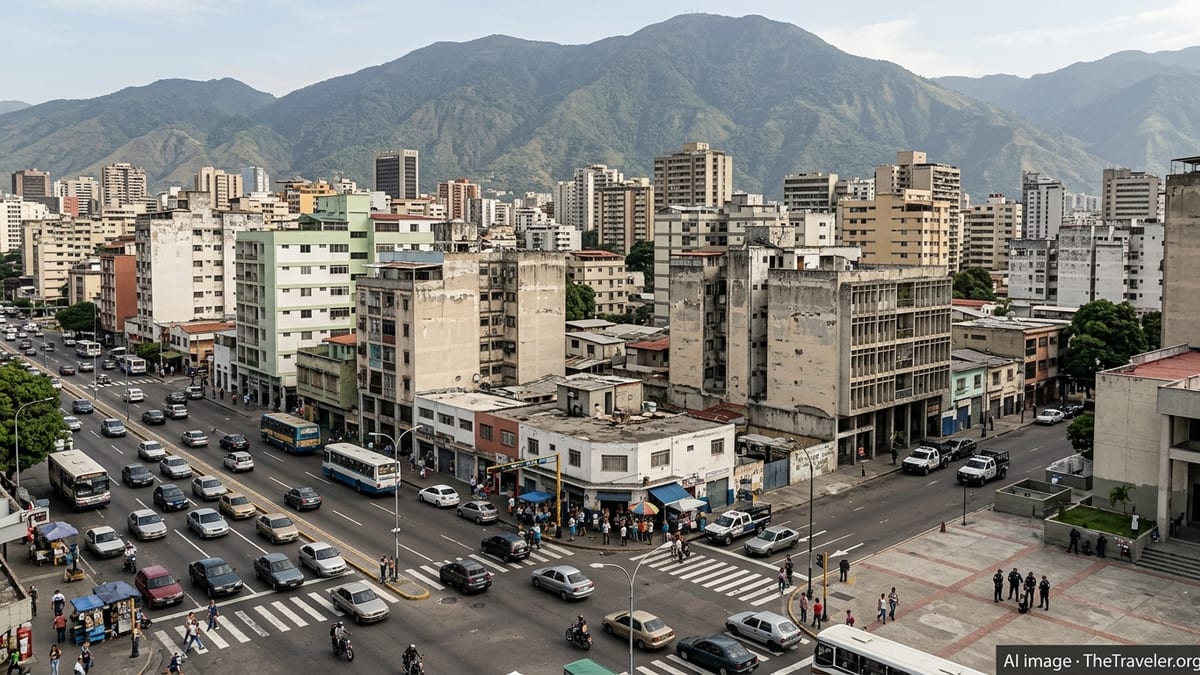
What Has Changed in the Venezuela Travel Landscape
Publicly available information shows that the U.S. State Department continues to classify Venezuela as Level 4 “Do Not Travel,” with the latest advisory update dated December 3, 2025. That rating places Venezuela among a small group of destinations the U.S. government considers to carry extreme risk for American travelers, including wrongful detention, kidnapping, terrorism, violent crime, civil unrest and severely degraded health care.
At the same time, a gradual loosening of some ancillary restrictions has begun to reshape the practical travel environment. Reporting in recent months has highlighted moves to reopen U.S.–Venezuela airspace and the anticipated return of limited commercial flights after years of suspension. Airlines have started planning new routes, subject to security assessments and regulatory approvals, signaling that direct travel may soon become logistically easier even while the official risk assessment remains unchanged.
This partial easing reflects broader shifts in U.S.–Venezuela relations, including adjustments to sanctions and energy cooperation. However, it does not equate to a clean bill of safety. The State Department’s formal advisory and language on security threats have not been downgraded, which means that any renewed air links operate in parallel with a standing recommendation that U.S. citizens avoid travel to Venezuela and, if already there, depart as soon as safely possible.
For travelers, this creates a disconnect: on one hand, flight options and commercial ties may increase, suggesting normalization; on the other, the core U.S. government assessment still treats Venezuela as one of the world’s most hazardous destinations. Understanding that gap is essential before booking a trip.
Current Security Picture on the Ground
Recent coverage of events inside Venezuela points to a security environment that remains volatile and, at times, opaque. Reports following military operations, political upheaval and clashes involving armed groups describe a patchwork of control in parts of the country, with pro-government colectivos and criminal organizations influencing conditions on key roads, in border areas and even in sections of major cities.
Accounts compiled by international media and risk-analysis firms emphasize that crime, including armed robbery, kidnapping for ransom and carjacking, continues to be a major concern, particularly after dark. In some urban neighborhoods, law enforcement is described as inconsistent or absent, and visitors may encounter informal checkpoints or roadblocks controlled by non-state actors. These dynamics can change quickly, with routes that appear calm one day becoming inaccessible the next.
The potential for civil unrest adds another layer of unpredictability. Demonstrations and political gatherings have periodically escalated into confrontations, with tear gas, detentions and sudden road closures. Travelers caught in the middle can find it difficult to move around, reach airports or secure safe accommodation at short notice, especially when telecommunications networks are strained.
Overlaying this security backdrop is a long-running infrastructure and health-system crisis. Power outages, shortages of medicines, strained hospitals and limited access to specialist care are recurring themes in international assessments. For travelers with pre-existing health needs, this can turn a routine medical issue into an emergency without reliable local solutions.
What the State Department Advisory Still Emphasizes
Despite incremental changes such as the reopening of airspace, the U.S. advisory framework for Venezuela has not shifted from its most severe setting. Level 4 “Do Not Travel” advisories typically indicate that the U.S. government’s ability to assist citizens in a crisis is severely constrained. In Venezuela’s case, this reflects the withdrawal of U.S. diplomatic staff from Caracas in 2019 and the continued absence of a functioning U.S. embassy or consular section in the country.
The advisory language underscores multiple overlapping risks: wrongful detention, including cases where individuals may be held without consistent access to legal counsel; arbitrary enforcement of local laws; terrorism; kidnapping and hostage-taking; high levels of violent crime; civil unrest; and poor health infrastructure. For would-be visitors, this means the risk profile is not limited to one category, such as common crime, but spans legal, political and humanitarian factors.
Travel analysis by major news outlets and security consultancies notes that Venezuela also remains on lists of countries considered “extreme risk” for corporate and academic travel. Some institutions restrict or prohibit staff travel there, or require high-level authorization and enhanced security planning. These institutional decisions, while separate from the State Department’s system, tend to align with its caution and further highlight how unusual it is for leisure travelers to visit under present conditions.
While no formal downgrade has been recorded, the more nuanced messaging around flights and economic ties suggests U.S. policy is being recalibrated in stages. For individual travelers, however, the headline remains clear: the official advisory continues to discourage all travel, regardless of purpose.
Practical Considerations for Travelers Weighing a Trip
For travelers still contemplating a visit to Venezuela in this environment, preparation and risk tolerance become central. Public travel-safety guidance frequently recommends that anyone assessing a Level 4 destination start by asking whether the trip is truly essential. Leisure tourism, in particular, is typically discouraged when a country falls into this category, given the absence of consular backup and the breadth of potential threats.
Those who decide to proceed despite the warnings are commonly advised in expert commentary to build multiple contingency plans. This can include arranging reliable local contacts, establishing a detailed communication routine with family or colleagues, and identifying private security or trusted transportation providers where possible. It also means understanding that evacuation options could be limited if airports are disrupted or if security incidents flare in the vicinity of major transport hubs.
Health preparedness is another critical factor. Travelers are urged in public advisories and medical briefings to review routine and destination-specific vaccinations well in advance, carry essential medications in sufficient quantities and consider supplemental medical evacuation insurance that specifically covers high-risk destinations. Because hospitals and clinics may lack supplies or specialist care, especially outside major cities, travelers must be prepared for a far lower standard of care than they might expect elsewhere in the region.
Finally, financial and legal planning should not be overlooked. Guidance from risk consultants often points to the importance of having emergency funds accessible through multiple channels, as well as an understanding of how local currency controls, sanctions and banking restrictions could affect payments. Knowing the legal environment, including regulations on photography, protests and contact with political actors, can reduce the likelihood of inadvertently breaching local laws in a context where enforcement can be unpredictable.
Balancing Travel Desire with Elevated Risk
Venezuela’s natural and cultural attractions, from Caribbean beaches to Andean peaks and the Orinoco basin, continue to capture the imagination of travelers. Reports from small numbers of recent visitors reference warm hospitality and striking landscapes that remain largely untouched by mass tourism. Yet these positive experiences coexist with sobering risk assessments that are unusually stark for the Western Hemisphere.
For many prospective visitors, the emerging picture is one of cautious interest rather than immediate action. The gradual easing of airspace restrictions and talk of renewed commercial routes suggest that, in time, travel could become more accessible. However, as long as the State Department’s advisory remains at Level 4 and on-the-ground security indicators do not markedly improve, the practical message for most U.S. travelers is to watch developments from afar rather than book a ticket.
Travel industry observers note that meaningful shifts in tourism flows often follow, rather than precede, a clear downgrade in official risk ratings and a track record of relative stability. Until Venezuela moves out of the highest advisory tier and demonstrates sustained improvements in safety, public services and legal protections, the country is likely to remain a niche destination for only the most experienced and risk-tolerant travelers.
As with any high-risk destination, staying informed is essential. Prospective visitors can monitor official advisories, independent security analysis and local reporting for signs that the current balance between limited reopening and ongoing danger is tipping toward a safer, more predictable environment for international travel.