

More news on this day
Air travelers across the United States are facing another round of disruption as more than 50 flights operated by major carriers including Delta Air Lines, United Airlines, American Airlines and Southwest Airlines were canceled, affecting a web of domestic and international routes from New York and Los Angeles to London, Dublin, Auckland, Kuwait, Mexico City and Buenos Aires.
Get the latest news straight to your inbox!
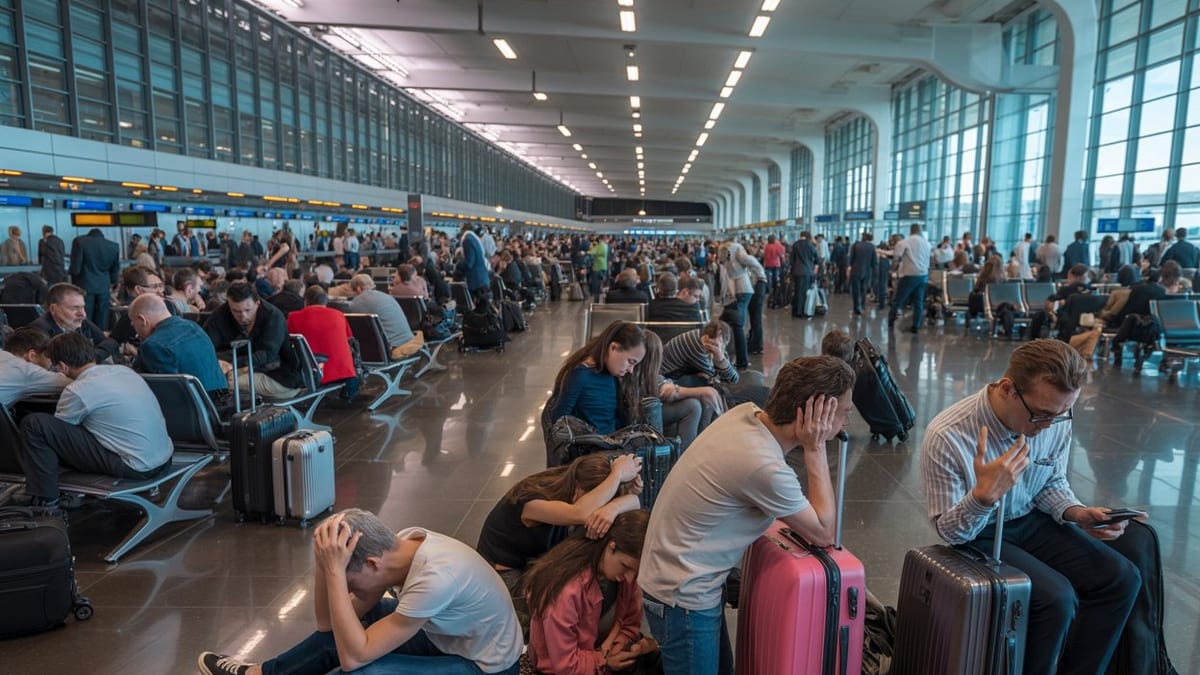
Image by Travel And Tour World
Major U.S. Carriers Trim Schedules Amid Operational Strains
Published flight-status data and airline operations dashboards show that a fresh cluster of cancellations has emerged across several large U.S. carriers. The latest disruption involves more than 50 flights removed from schedules, with Delta, United, American and Southwest all appearing among the affected operators. The cancellations are spread across multiple hubs and focus cities rather than being concentrated at a single airport.
Reports indicate that the affected services form part of a broader pattern of periodic schedule adjustments and last-minute cancellations driven by a mix of operational and weather-related pressures. While the individual number of canceled flights for each airline remains modest relative to total daily departures, the impact on passengers compounds quickly when missed connections and rebookings are taken into account.
Publicly available information shows that the latest wave of cancellations follows several months in which the U.S. airline system has already been tested by storms, staffing constraints and lingering knock-on effects from earlier technology and infrastructure incidents. Even on days when the majority of flights operate as planned, relatively small spikes in cancellations can leave certain high-demand routes and departure banks heavily disrupted.
Industry tracking also suggests that regional feeder services, which connect smaller U.S. cities into major hubs, continue to be disproportionately exposed. When these flights are canceled, they can break multi-leg itineraries, stranding travelers who are trying to connect onward to long-haul destinations such as Europe, Latin America and the South Pacific.
Key Hubs Hit: New York, Los Angeles, San Francisco and Las Vegas
The latest cancellations have been most visible at large coastal gateways and key connecting points, including New York, Los Angeles, San Francisco and Las Vegas. Flight-status boards at these airports show a scattering of scrubbed departures and arrivals across the morning and evening peaks, particularly on high-frequency domestic corridors.
In the New York area, reports highlight impacts at both major airports serving U.S. legacy carriers, with a small but noticeable number of canceled flights linking the region to other major domestic hubs. Los Angeles and San Francisco, both critical for transcontinental and transpacific traffic, have also recorded cancellations on flights that typically carry a mix of business travelers, tourists and international connecting passengers.
Las Vegas, a major leisure and convention destination, appears among the affected cities as well. Even a limited set of cancellations there can create outsized disruption because many visitors travel on tight itineraries that revolve around events, conferences or weekend stays. When departures from Las Vegas to coastal hubs such as Los Angeles and San Francisco are removed from the schedule, knock-on effects can ripple through onward international connections.
These cancellations often push additional load onto remaining flights, reducing flexibility for passengers seeking same-day alternatives. Travelers arriving into hub airports to discover a canceled onward leg may find rebooking options limited, particularly on popular evening departures to major business centers.
International Links Disrupted: London, Dublin, Auckland, Kuwait and Latin America
Beyond domestic routes, the current round of flight cancellations is also touching a number of long-haul destinations. Published schedules show certain flights connecting U.S. gateways to London and Dublin affected, underlining the sensitivity of transatlantic traffic to even modest operational disruptions on the U.S. side.
Services related to Auckland appear within the network of impacted connections as well, underscoring how cancellations on U.S. domestic feeders can interfere with complex itineraries to and from the South Pacific. Even when a long-haul flight itself operates on time, the disruption of a preceding U.S. leg can cause missed connections and rebookings onto later services or alternative routings via other hubs.
Routes linked to Kuwait and key Latin American cities, including Mexico City and Buenos Aires, are also implicated. These markets often rely on a combination of direct flights and one-stop itineraries through U.S. hubs. When a domestic or regional segment is removed from the schedule, it can sever the most time-efficient connection, leaving travelers to reroute through different hubs or accept significantly longer travel times.
Airline network maps and public schedule data illustrate that a handful of cancellations at strategic hubs can undermine connectivity far beyond North America. Long-haul passengers from Europe, the Middle East, Latin America or Oceania who depend on U.S. transfer points may experience disruptions even when their origin and destination airports appear unaffected at first glance.
Weather, Staffing and System Resilience in Focus
While specific causes for each canceled flight can vary, current conditions place renewed attention on the interplay between weather events, staffing levels and overall system resilience. Recent coverage of U.S. aviation performance has highlighted how fast-changing weather systems can interact with tight crew schedules and high aircraft utilization, leaving airlines with little flexibility when disruptions emerge.
Analysts point out that even when airlines enter busy travel periods with what appear to be adequate staffing levels on paper, real-world operations can be stretched by sick calls, maintenance requirements and air traffic control restrictions. When these factors coincide with storms or high winds at key hubs, cancellations may be used as a tool to stabilize the remainder of the schedule and reduce cascading delays.
Industry observers note that major carriers have invested heavily in technology and planning tools to anticipate and mitigate disruptions, but that the growing complexity of global networks makes it difficult to shield passengers fully from the effects of cancellations. The latest cluster of disrupted flights serves as another reminder of how interdependent domestic and international operations have become.
The cancellations also renew debate over how much slack should be built into schedules, particularly during peak travel windows. More buffer in crew and aircraft rotations can improve resilience, but it can also increase costs in an industry that operates on relatively thin margins and faces pressure to keep fares competitive.
What Travelers Can Do if Their Flight Is Affected
With more than 50 flights canceled across multiple carriers, travelers booked on near-term departures are being urged by public advisories and airline communications to keep a close eye on their flight status and to use digital self-service tools when possible. Same-day notifications through airline apps and text alerts remain one of the fastest ways to learn about schedule changes.
Passenger rights on U.S. carriers vary depending on the cause of the disruption and the type of ticket purchased, but publicly available guidance from transportation regulators and consumer resources generally encourages travelers to document any cancellations and to explore rebooking options promptly. Remaining seats on alternative flights can disappear quickly once a disruption becomes widespread.
For those connecting onward to international cities such as London, Dublin, Auckland, Kuwait, Mexico City or Buenos Aires, experts often recommend building in more generous connection times and considering earlier departures from domestic origins when possible. Doing so can provide a buffer if an initial leg is delayed or rebooked.
Travelers planning upcoming trips may also want to monitor news about system-wide disruptions, especially during seasons when storms are more frequent. While no itinerary can be fully protected from unexpected cancellations, awareness of current conditions and proactive use of airline tools can reduce the risk of extended delays or missed connections when disruptions like the latest wave of flight cancellations occur.