

More news on this day
With spring break travel ramping up, U.S. officials are urging Americans heading to Mexico City and the Riviera Maya to exercise extra caution, highlighting persistent crime risks and fresh security jitters following February cartel violence elsewhere in the country.
Advisory Reaffirmed as Spring Travel Surges
The U.S. Department of State’s latest update for Mexico, issued on March 2, keeps the country at a nationwide Level 2 advisory, meaning travelers are asked to exercise increased caution due to crime and kidnapping risks. The guidance lands just as airports brace for millions of Americans bound for beach resorts and big cities during March and April.
While popular destinations such as Mexico City and the Caribbean coast of Quintana Roo, home to Cancun, Playa del Carmen and Tulum, remain open for tourism, officials stress that visitors should not equate busy hotel zones with immunity from broader security trends. They note that routes to and from airports, nightlife areas and excursions can pass through higher risk neighborhoods or highways where criminal groups operate.
The advisory follows a tumultuous late February, when a major military operation against the Jalisco New Generation Cartel triggered violent reprisals, particularly in western states like Jalisco and along parts of the Pacific coast. Even as authorities say those incidents have largely subsided, the U.S. government is using the spring break period to remind travelers that conditions can change quickly and that a low-cost getaway does not erase on-the-ground realities.
Mexico City: Big-City Buzz with Big-City Risks
Mexico City remains one of the country’s cultural powerhouses and a gateway for U.S. visitors, with demand for its restaurants, museums and nightlife expected to spike through Easter week. Security analysts describe the capital as generally safer than many states under higher-level warnings, but still advise treating it like any major metropolis where petty crime, scams and occasional violent incidents are part of the urban backdrop.
The U.S. advisory urges visitors to remain particularly alert in downtown districts, entertainment corridors and crowded transport hubs, where pickpocketing, phone theft and opportunistic robberies are most common. Travelers are advised to use registered taxis or app-based rides from clearly marked pick-up zones, avoid flaunting jewelry or expensive electronics, and keep hotel and rental details discreet on social media.
After dark, officials recommend sticking to well-lit, populated streets and established venues, rather than wandering into unfamiliar neighborhoods in search of bars or street parties. Tour operators and hotels report that most trips proceed without serious incidents, but warn that lapses in judgment, intoxication and traveling alone late at night can quickly increase exposure to crime.
Riviera Maya Under Spotlight for Spring Break
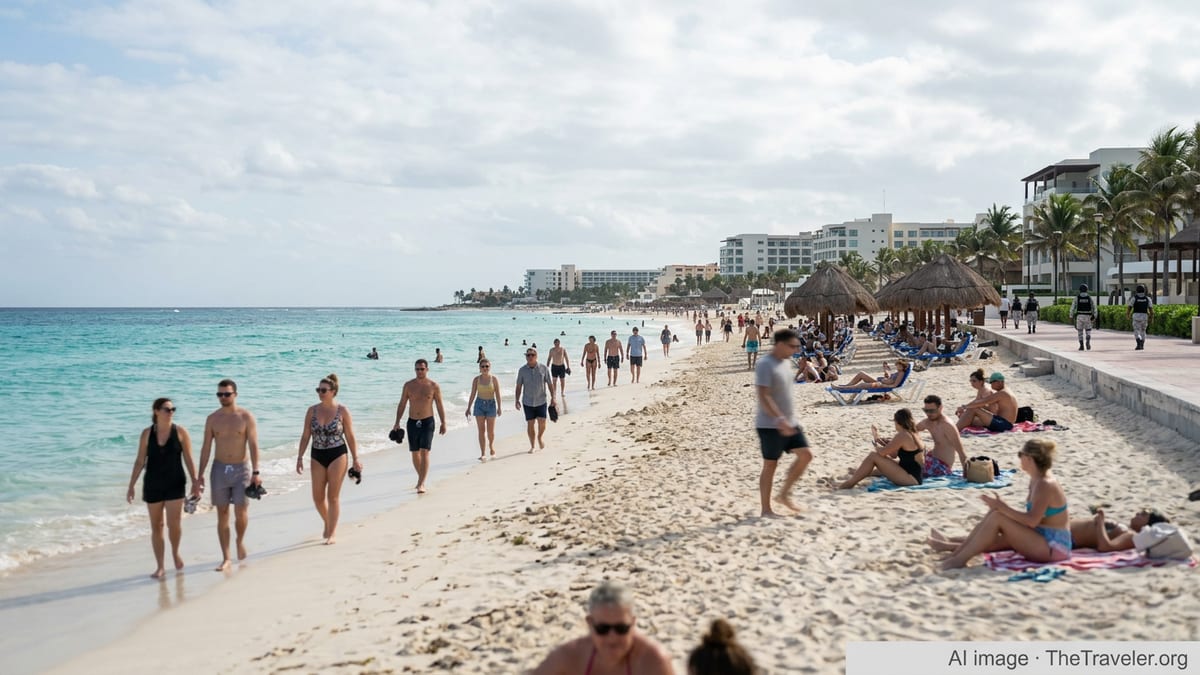
The Riviera Maya, including Cancun, Playa del Carmen and Tulum, remains Mexico’s flagship spring break corridor and one of the main focuses of the seasonal safety push. Recent guidance from U.S. consular officials highlights a mix of concerns that tend to spike when resorts fill with students and families: excessive alcohol consumption, drug use, sexual assault, balcony falls, drownings and scams targeting distracted visitors.
Authorities reiterate that all drug possession and use, including marijuana and vaping products containing THC, is illegal in Mexico and can carry long jail terms. They also warn that counterfeit pills and synthetic substances marketed to tourists have been linked to severe illness and deaths, and that unregulated alcohol can be contaminated or far stronger than labeled.
Security messages point to prior cases of U.S. citizens losing consciousness after drinking at bars or resort venues, as well as incidents of sexual assault where victims were intoxicated or isolated. Beachgoers are reminded that some stretches of coastline lack lifeguards or adequate warning flags, and that rip currents and rough surf can be hazardous, particularly at night or under the influence of alcohol.
Local officials in Quintana Roo emphasize that heavily patrolled hotel zones have remained calm even as cartel battles flared elsewhere in Mexico in late February. Still, they acknowledge a rise in opportunistic crime in nightlife districts and urge visitors to travel in groups, prearrange transportation and keep a close eye on drinks and personal belongings.
Cartel Violence Elsewhere Shapes Perception and Policy
The sharpened messaging for spring travelers comes in the wake of a high-profile security operation on February 22 that killed Nemesio Oseguera Cervantes, known as El Mencho, the powerful leader of the Jalisco New Generation Cartel. His death sparked coordinated retaliation across several western states, with vehicles burned, roadblocks erected and attacks on security forces that left dozens dead and prompted temporary shelter-in-place alerts for some U.S. visitors.
Although the most severe disruptions were centered around Jalisco and nearby regions rather than Mexico City or the Riviera Maya, the images of blockaded highways and shuttered airports rippled through the travel industry. Airlines temporarily curtailed flights into hubs such as Puerto Vallarta and Guadalajara, while travel insurers reported a spike in calls from anxious customers weighing whether to alter or cancel Mexico plans.
State Department officials stress that the latest advisory is not a blanket warning against travel to Mexico’s main resort belts, but rather a reflection of an uneven security map. Several states, including Colima, Guerrero, Michoacán, Sinaloa, Tamaulipas and Zacatecas, remain under Level 4 “do not travel” guidance due to pervasive cartel violence and limited ability of local authorities to protect visitors. Other areas, such as Jalisco and Baja California, carry Level 3 “reconsider travel” notices.
Against that backdrop, Mexico’s tourism industry is working to reassure visitors that security has been reinforced around airports, highways and hotel zones, even as officials acknowledge that isolated incidents and spillover violence cannot be ruled out. For many travelers, the decision now hinges on their own risk tolerance, itinerary flexibility and willingness to follow safety guidance closely.
Practical Advice for Americans Still Heading South
For travelers who decide to move forward with spring trips to Mexico City or the Riviera Maya, U.S. officials and security experts offer a consistent set of precautions. They recommend enrolling in the State Department’s traveler enrollment program so that alerts can be delivered quickly by text or email if conditions deteriorate, and urge visitors to share itineraries and contact details with family or friends at home.
On the ground, visitors are advised to arrange airport transfers through hotels or reputable operators, avoid unlicensed taxis, and be cautious of ride offers from strangers. Cash should be withdrawn from ATMs inside banks or shopping centers rather than on the street, and valuables should be stored in hotel safes rather than carried to the pool or beach.
Travelers are also encouraged to moderate alcohol intake, decline any offers of drugs, and steer clear of confrontations or disputes, particularly in bars and clubs where private security may be limited. In resort areas, it is safer to stick to established excursions and avoid venturing into remote areas or unofficial tours that lack clear safety standards.
Ultimately, the latest U.S. advisory stops short of telling most Americans to stay away from Mexico’s marquee destinations, but it does call on spring travelers to approach the season with clear eyes. For those heading to Mexico City’s streets or the Riviera Maya’s beaches in the coming weeks, officials say an extra dose of caution, preparation and situational awareness will be as essential as sunscreen and passports.