

More news on this day
Tourists heading to the United Arab Emirates next week are being advised to prepare for unsettled conditions, as forecasts indicate a spell of heavy rain, possible hail and periods of blowing dust that could affect travel plans across Dubai, Abu Dhabi and other popular destinations.
Get the latest news straight to your inbox!
Unsettled Week Ahead Across the Emirates
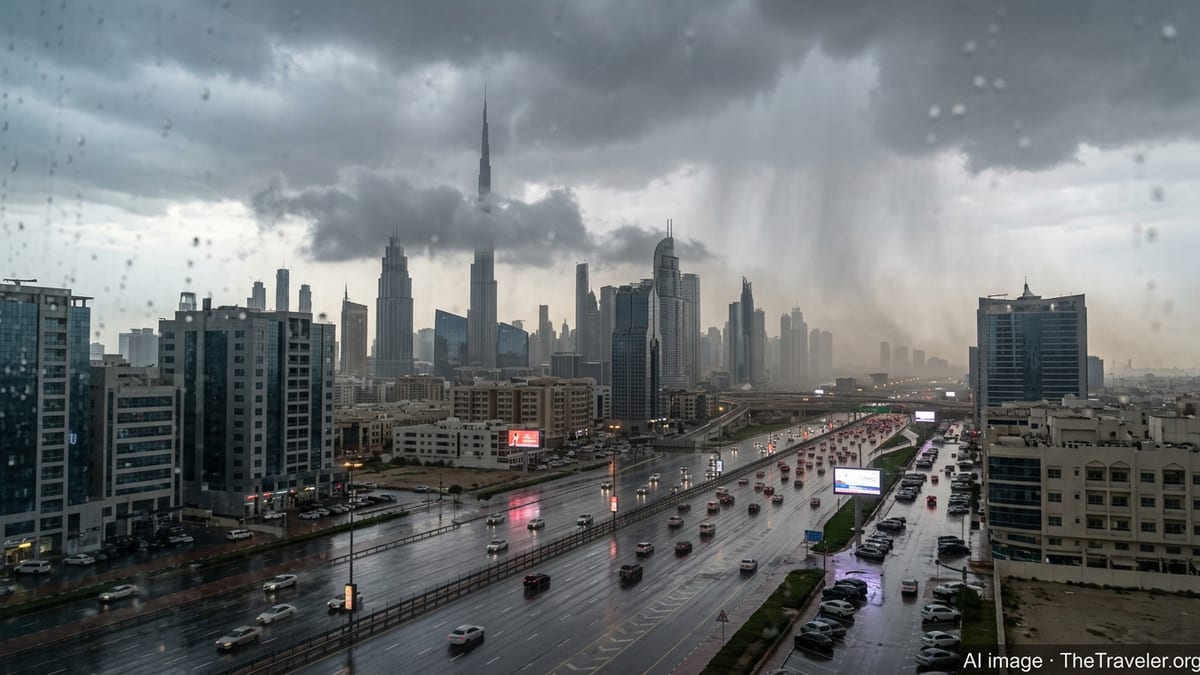
Publicly available regional forecasts and local discussions indicate that from early next week the UAE is likely to experience a succession of unstable weather systems, bringing scattered to heavy rain, thunderstorms in places and the risk of small hail. The pattern is expected to develop around Monday 23 March 2026 and could persist for several days, affecting both coastal cities and inland desert areas.
Rain in the UAE is usually brief and light, but when strong systems move through the Gulf, downpours can be intense in a short period of time. In past years this has led to flash flooding on major highways, water pooling on low-lying streets and disruptions at some public attractions. Commenters on local community forums are already highlighting estimates of high rainfall totals over the week, with particular concern about Monday and Friday as potential peak days.
Alongside the rain, forecasters expect strong, gusty winds that may kick up dust and sand, especially in more open areas outside the city centers. Periods of reduced visibility are possible on highways linking Dubai, Abu Dhabi and the northern emirates. At sea, outlooks point to rougher conditions at times in the Arabian Gulf, which may affect small craft and some leisure activities.
While detailed, day by day projections can still shift this far out, the broad expectation among regional weather watchers is for a noticeably wetter and more unsettled spell than usual for late March, coming on the heels of several smaller systems that have already brought showers to parts of the country this month.
Potential Impact on Flights, Roads and Attractions
For air travellers, the main concern is short term disruption if intense thunderstorms or very poor visibility coincide with busy arrival and departure banks at Dubai and Abu Dhabi airports. Published coverage of previous heavy rain events in the UAE shows that flight schedules can be temporarily affected by delays, diversions or ground holds when apron areas are waterlogged or when lightning is nearby. Even when airports remain fully open, passengers may experience longer taxi times and baggage delays as ground operations slow down for safety.
On the roads, standing water and sudden flooding at junctions and underpasses are recurring issues during strong storms. In earlier episodes of extreme rainfall, images shared on social media and in local news reports have shown vehicles stranded in deep water on some arterial routes. Visitors not used to driving in the region’s rare but intense rain are often advised by travel operators and resident communities to avoid attempting to cross large puddles, keep speeds low and leave extra time for journeys between emirates.
Outdoor attractions, desert tours and theme parks may also face intermittent disruption. Operators sometimes cancel or reschedule desert safaris, dune bashing and helicopter sightseeing when visibility is reduced by dust or when storms are nearby. Beach clubs and rooftop venues can close temporarily during heavy downpours or strong winds, and some family parks may suspend certain rides until conditions improve. Travellers who have prepaid activities for next week are being urged in local discussions to check booking policies and ensure contact details are up to date so that operators can communicate any last minute changes.
Public transport services within Dubai and Abu Dhabi typically continue to operate, but bus and tram schedules can be slowed by traffic congestion. In some past events, sections of roads leading to popular waterfront promenades and shopping districts have experienced localized flooding, prompting detours and temporary closures that affect taxis and ride share pickups.
Health, Safety and Visibility Concerns for Visitors
Beyond the practicalities of getting around, visitors are being reminded to think about basic health and safety during mixed rain and dust conditions. Blowing dust and sand, intensified by strong gusts around thunderstorms, can cause eye and respiratory irritation, especially for those with asthma or allergies. Travel health guidance for the region commonly recommends that sensitive travellers carry any prescribed inhalers and consider using masks or scarves to cover the nose and mouth if visibility drops due to airborne dust.
Heavy rain in cities built for hot, dry conditions can also create slipping hazards on marble pavements, metro station entrances and polished hotel forecourts. Tour operators often suggest that travellers pack closed, non-slip footwear rather than relying solely on sandals, particularly when moving between malls, hotels and transport hubs during wet spells. Umbrellas see relatively little use in the Gulf, but compact travel umbrellas and light waterproof jackets can be useful during short, sharp downpours.
When thunderstorms are in the area, general weather safety advice recommends avoiding open desert areas, exposed hilltops and standing under isolated trees. Although lightning incidents involving tourists are rare in the UAE, sudden electrical storms over the desert or along the coast can develop quickly. Visitors on guided excursions are usually directed to follow the instructions of tour leaders, who monitor radar imagery and local alerts to decide when to adjust routes or return to safer locations.
In urban settings, drainage systems can become temporarily overwhelmed during intense bursts of rain, leading to water flowing across pavements and roadways. Health guidance frequently notes that people should avoid wading through pooled water where possible, as it may conceal uneven surfaces, open drains or roadside debris displaced by the storm.
Practical Steps for Tourists Holding Bookings Next Week
With many March visitors already holding nonrefundable bookings for flights and hotels, the focus is turning to how to travel as smoothly as possible rather than whether to postpone trips. Travel industry commentary suggests that passengers flying into Dubai or Abu Dhabi next week monitor their airline’s app or website closely in the 24 hours before departure for any schedule adjustments. Keeping mobile numbers and email addresses updated in reservations can help ensure that any changes are received quickly.
For those planning to drive, whether in rental cars or taxis, it may be wise to build extra flexibility into itineraries between Sunday and Friday. That could mean allowing more time to reach the airport, booking earlier departure slots for intercity transfers, and avoiding tight back to back reservations at restaurants or attractions on days flagged for heavier rain. In years when storms have caused notable disruption, travel blogs and local coverage have highlighted the value of having a backup indoor activity plan, such as visiting malls, museums or aquariums instead of outdoor sightseeing.
Hotels and resorts in the UAE are generally well equipped to cope with short term weather extremes, and many properties offer extensive indoor facilities, from spas and kids’ clubs to large atriums and enclosed promenades. Visitors arriving during unsettled conditions may find that staff adjust outdoor pool hours or terrace dining setups in response to rain and wind, but services inside the properties typically continue with minimal interruption.
As the week approaches, travellers are encouraged by regional media and community weather pages to keep an eye on updated daily forecasts, rather than relying solely on long range apps. Conditions around isolated thunderstorms, hail showers and dust fronts can change rapidly, and short term outlooks from recognized meteorological centers usually provide the most reliable picture of what to expect over the next 24 to 48 hours.
Balancing Caution With Realistic Expectations
For many visitors, the idea of heavy rain and hail in a country known for clear skies will feel surprising, especially given memories of the severe flooding that affected parts of the UAE in April 2024. Comment threads on regional platforms show that some residents are concerned about a repeat of that event, while others point out that not every wet spell produces the same level of impact. Current forecasts for next week suggest a prolonged period of showers and storms, but not necessarily the same concentrated intensity within a single day that led to the previous extreme flooding.
Travel commentators note that it is important to balance sensible caution with realistic expectations. While some localized flooding, traffic disruption and occasional flight delays are possible, most tourism infrastructure in Dubai, Abu Dhabi and other cities is designed to remain operational through unsettled weather. Visitors who remain flexible, stay informed and follow basic safety guidance are still likely to enjoy much of what the country offers, from indoor attractions and dining to cultural sites that are unaffected by short episodes of heavy rain.
At the same time, next week’s forecast serves as another reminder that the Gulf’s climate is not uniformly dry. Urban planners, insurers and the tourism sector in the UAE have been paying growing attention to how to manage intense but infrequent storms, particularly as international coverage of past flooding has raised questions among would be visitors. The coming days will be closely watched to see how effectively recent infrastructure improvements and operational planning help keep people and journeys moving when the weather turns volatile.
For travellers with departures in late March 2026, the message emerging from publicly available information and regional discussion is clear: the trip can go ahead, but packing for both sunshine and storms, allowing extra time and staying alert to daily forecast updates will be key to navigating what could be one of the more weather affected weeks of the season.