

More news on this day
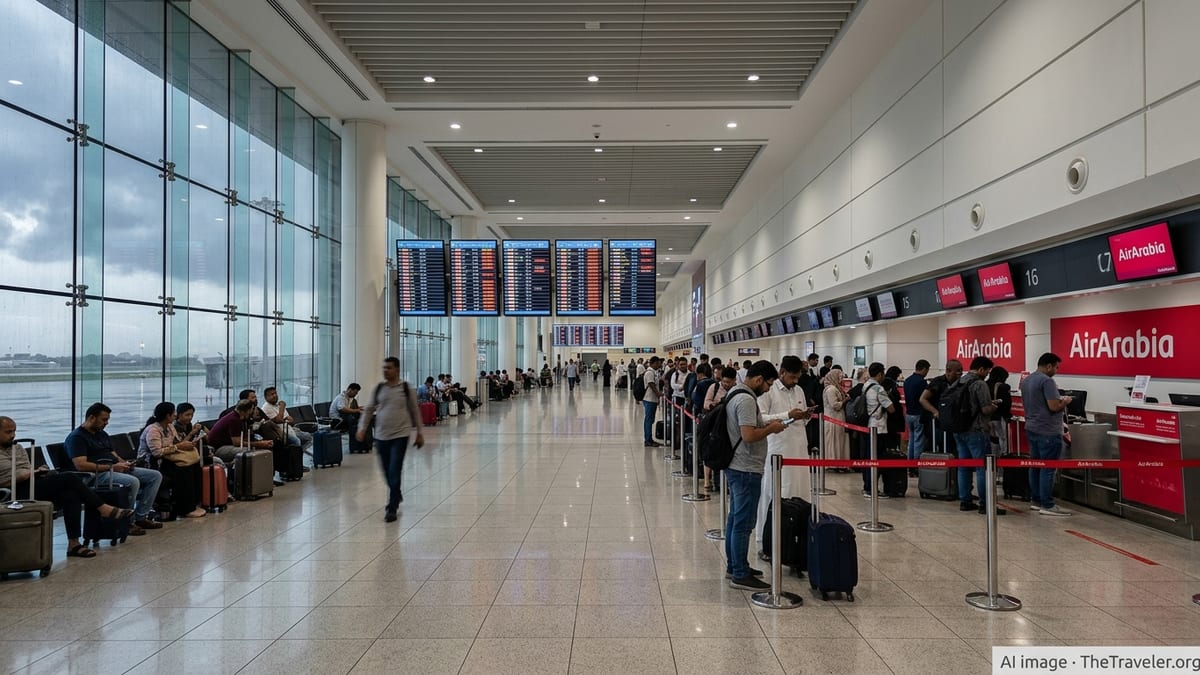
Passengers traveling through Dubai, Sharjah and Ras Al Khaimah on April 2 faced a fresh wave of cancellations and delays, as at least 14 flights were scrapped and around 150 services were rescheduled or heavily delayed across the northern Emirates, disrupting operations for Emirates, flydubai, Air Arabia, IndiGo, EgyptAir and several other carriers.
Get the latest news straight to your inbox!
Regional Tensions Keep UAE Flight Schedules Unstable
The latest disruption comes against the backdrop of weeks of instability in Gulf airspace following missile and drone activity linked to the ongoing conflict involving Iran and regional powers. Publicly available information on recent advisories shows that airspace over parts of the Middle East has repeatedly been restricted or closed, forcing carriers to reroute or trim schedules and creating knock-on effects for airports in the United Arab Emirates.
Airports in Dubai and Abu Dhabi had already moved to limited operations in early March after earlier missile incidents in the UAE led to temporary flight suspensions and a controlled restart of services. Subsequent travel and security analyses published in recent days continue to describe an environment of elevated risk, with periodic alerts about drone activity and air defense interceptions in and around major population centers.
Although the UAE’s main hubs have gradually increased the number of arriving and departing flights, today’s pattern of 14 outright cancellations and around 150 delays across Dubai, Sharjah and Ras Al Khaimah indicates that schedules remain fragile. Even small changes to regional airspace availability or short-notice security measures can ripple across the tightly timed banks of departures that underpin the hub-and-spoke networks of Gulf carriers.
Dubai, Sharjah and Ras Al Khaimah Feel the Strain
Dubai International Airport, the country’s primary global gateway, again bore the brunt of operational strain, with a cluster of cancelled and heavily delayed services affecting both long haul and regional routes. Industry trackers and airport status pages reviewed on April 2 pointed to Emirates and flydubai services among those most affected, as the two airlines dominate traffic at Dubai’s terminals and rely heavily on tightly sequenced connections.
Sharjah International Airport, the home base of low cost airline Air Arabia, recorded multiple delayed services and at least a handful of cancellations today, particularly on routes to South Asia and the wider Middle East. Sharjah serves as a key alternative hub for price sensitive travelers and migrant workers, and disruptions there tend to have an outsized impact on passengers connecting to secondary cities in India, Pakistan and North Africa.
Ras Al Khaimah International Airport, a smaller but growing gateway for leisure and budget travel, also saw schedule changes and delays as regional air corridors shifted. While the airport handles far fewer daily flights than Dubai or Sharjah, its reliance on narrow scheduling margins and shared regional airspace means that even minor reroutes can lead to prolonged waits on the ground and revised departure times.
Multiple Airlines, One Shared Problem
Today’s disruptions cut across the operations of major Gulf and foreign carriers. Emirates and flydubai, which together operate hundreds of daily departures from Dubai, again adjusted frequencies and timings on several routes, particularly where alternative routings around sensitive airspace added flight time and complicated aircraft rotations.
Air Arabia’s network from Sharjah and Ras Al Khaimah also came under pressure, with publicly accessible schedules showing delays on key regional links to India, Pakistan, Saudi Arabia and Egypt. Budget carriers often rely on fast aircraft turnarounds and dense scheduling to keep fares low, so any enforced holding patterns in the air or on the ground quickly cascade into missed departure slots later in the day.
Passenger data and airline advisories highlighted further disruption for IndiGo, EgyptAir and other international airlines that operate into Dubai and Sharjah from South Asia, Africa and Europe. Many of these carriers are already coping with longer routings that skirt restricted airspace over Iran and Iraq, which increases fuel burn and tightens connection windows at their own hubs. When slot times in the UAE shift, it can undermine connections further down the line, prompting preemptive cancellations on some services.
Knock-On Effects for Passengers Around the World
The immediate impact for travelers in the UAE on April 2 involved long queues, rebooked itineraries and uncertain departure times. Reports from aviation forums and travel advisories indicated that some passengers arrived at airports to find their flights already cancelled or rescheduled, while others experienced rolling delays as airlines waited for fresh airspace and slot clearances.
Because Emirates and flydubai use Dubai as a major connecting hub, disruptions there influenced journeys far beyond the Gulf. Passengers originating in Europe, North America, Asia and Africa on itineraries that routed through Dubai, Sharjah or Ras Al Khaimah faced missed onward connections or extended unplanned layovers. Similar knock-on effects were reported for Air Arabia and IndiGo customers whose itineraries relied on tight connections through the northern Emirates.
Travel industry analyses suggest that airline customer service teams continue to manage high call volumes as they rebook affected passengers, offer date changes and, in some cases, process refunds. Seats on alternative routes through other regional hubs are limited, however, as carriers across the Middle East adjust capacity and prioritize their own backlog of disrupted travelers from earlier waves of cancellations.
Outlook for the Coming Days
Forecasts for the coming days indicate that UAE airports are likely to maintain operations but under conditions that remain fluid. Security assessments published on April 2 still reference the possibility of further missile or drone activity in the wider region, as well as potential adjustments to airspace corridors at short notice. Any renewed incidents affecting air defense systems or critical infrastructure could prompt rapid changes to flight schedules.
Aviation analysts note that airlines serving Dubai, Sharjah and Ras Al Khaimah are gradually rebuilding their networks compared with the near-total shutdown in late February, yet they continue to operate with limited slack in their systems. This means that additional cancellations and clusters of delays remain possible, particularly on routes that require lengthy diversions around restricted airspace.
Passengers planning to travel via the UAE in the short term are being urged in public guidance to monitor their flight status closely, keep contact details updated with airlines and allow extra time at the airport in case of security checks or schedule changes. As of the evening of April 2, the situation across Dubai, Sharjah and Ras Al Khaimah had improved from the sharpest days of disruption, but the cancellation of 14 flights and delays to around 150 services underline how fragile the regional aviation recovery remains.