

More news on this day
Middle East air travel is facing its most severe disruption since the pandemic as Oman Air cancels multiple routes and the United Arab Emirates joins Qatar, Kuwait, Denmark, Iraq and other countries in confronting sweeping flight suspensions triggered by the war in Iran and widespread airspace closures.
Get the latest news straight to your inbox!
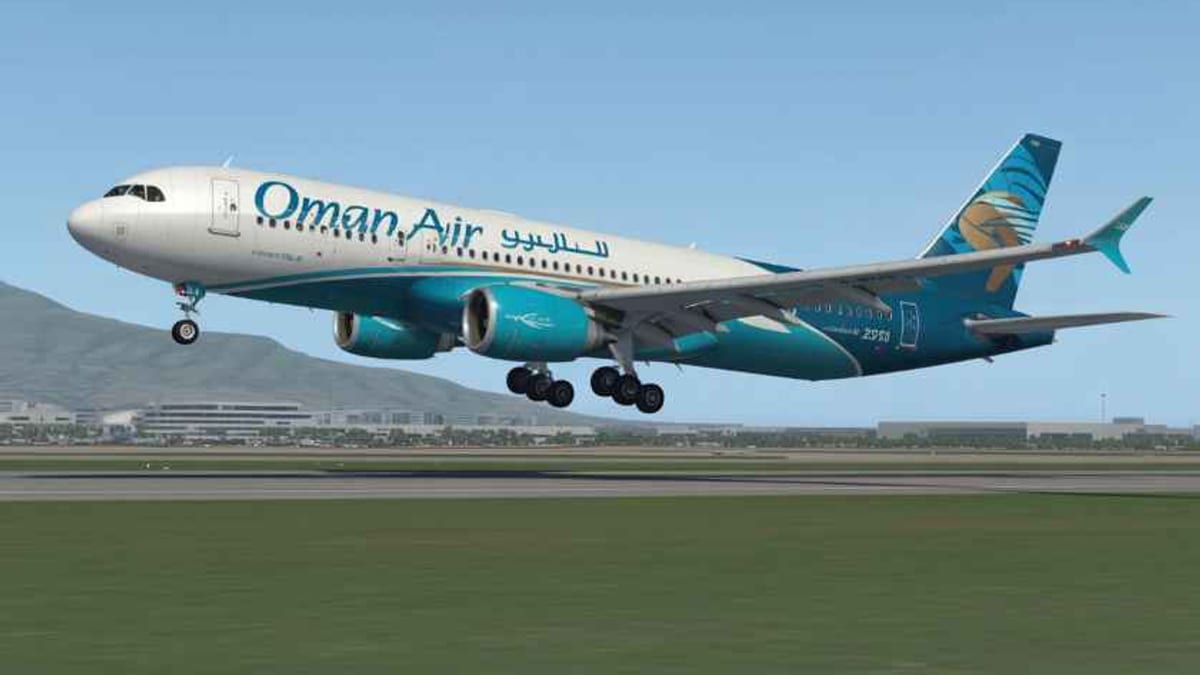
Image by Global Travel Alerts, Advisories, International Travel Alerts
Oman Air Scraps Routes As Security Risks Mount
Recent security briefings indicate that Oman Air has cancelled flights on multiple routes across the region after a surge in missile and drone activity tied to the Iran conflict. A situational report dated mid March notes that the Muscat based carrier has withdrawn services on at least nine routes, reflecting growing concern over aircraft safety near key Gulf corridors and coastal approaches.
Oman’s airspace technically remains open, according to maritime and aviation advisories, but several international flight paths touching Omani territory have been suspended or diverted. Publicly available assessments describe a patchwork of cancellations and schedule reductions that, in practice, sharply curtail the country’s role as a secondary hub between South Asia, East Africa and the wider Middle East.
The cancellations come as Oman itself experiences limited but real exposure to Iranian strikes, including drone activity around ports on the Arabian Sea coast. Analysts suggest that even if physical damage on Omani soil has been comparatively modest, the perceived risk to civil aviation has been amplified by the broader closure of neighboring airspace and uncertainty over future military escalation.
For passengers, the loss of Oman Air routes removes one of the more flexible options for bypassing crowded Gulf hubs. Travel agents and corporate travel managers report that itineraries once easily routed through Muscat now require longer, more complex detours via Saudi Arabia, Turkey or southern routes skirting the Arabian Peninsula.
UAE Partially Reopens But Remains Under Strain
The United Arab Emirates has moved from near complete shutdown to a fragile, partial reopening of its skies in March, yet operations at Dubai and Abu Dhabi remain heavily constrained. A supply chain and logistics update published in mid March describes UAE airspace as only partially open, with Emirates and Etihad adjusting networks and facing ongoing disruption to both passenger and cargo flows.
Earlier in the month, regional bulletins documented airspace closures across the Gulf, along with targeted strikes and interception activity near major airports. One advisory referenced smoke and debris in the vicinity of Dubai International Airport after air defences engaged incoming threats, prompting temporary ground stops and diversions. Reports also highlight a drone incident affecting fuel infrastructure at Dubai, after which only a limited schedule was restored.
Travel forums and airline updates show that Emirates and Etihad initially suspended all regular flights to and from the UAE before gradually reintroducing select sectors under close coordination with aviation authorities and air navigation providers. Capacity into the country is significantly reduced, with travelers frequently rebooked over alternative hubs or asked to accept substantial date and routing changes.
For the UAE’s tourism and trade driven economy, the disruption is especially acute. Industry commentary notes that Dubai’s model as a high frequency super connector between Asia, Europe and Africa is challenged by reroutes that add several hours of flying time and by uncertainty over when full schedules can safely resume.
Qatar, Kuwait, Iraq And European Carriers Tighten Restrictions
The UAE’s experience is mirrored across the Gulf. Travel risk advisories compiled in early March describe Qatari airspace as temporarily closed for several days, with all air travel suspended before a limited reopening of controlled corridors. Subsequent local coverage indicates that Qatar has restored a reduced, tightly managed schedule, while maintaining heightened security procedures and contingency routing.
In Kuwait, Bahrain and Iraq, airspace closures and intermittent shutdowns of key airports have led to hundreds of flight cancellations. Regional media tracking movements in and out of Kuwait City and Iraqi gateways such as Baghdad and Erbil point to waves of suspensions as missile alerts or nearby strikes prompt airlines to halt operations at short notice. Data cited in South Asian news outlets suggest that, in just a few days, hundreds of flights in Iran, Iraq, Tel Aviv and Beirut were scrapped as the crisis escalated.
European carriers are also deeply entwined in the disruption. Aegean Airlines, based in Greece, recently extended the suspension of services to destinations including the United Arab Emirates, Saudi Arabia, Iraq and Lebanon, citing the evolving security environment in the wider Middle East. Travel industry reporting in late March further notes that ITA Airways and the Lufthansa Group have prolonged their own halt on several Middle Eastern routes, with flights to and from Dubai not expected to resume before at least the end of May and some destinations potentially off line into the autumn.
Analysts describe this pattern as a widening ring of caution that stretches from Gulf hubs to European capitals, as airlines factor not only direct threats but also insurance costs, crew safety policies and restricted overflight options above conflict zones.
Denmark’s Role Highlights Global Reach Of Disruptions
While the epicentre of the upheaval lies in the Gulf, European countries such as Denmark are emerging as important reference points for the global reach of the crisis. Scandinavian carriers and charter operators reliant on Gulf connections for winter sun routes and onward links to Asia have had to recast their schedules, with Copenhagen and Billund based passengers seeing reduced access to destinations once served via Doha, Dubai or Abu Dhabi.
Industry commentary from European travel outlets describes how the suspension of connecting flights through Middle East hubs has forced Danish tour operators and travel agencies to rebuild itineraries using alternate gateways, such as Istanbul, Athens or southern European airports. This has implications for pricing, travel times and aircraft deployment, as airlines weigh whether demand justifies longer, less fuel efficient routings that avoid portions of closed or high risk airspace.
Regulatory notices and risk assessments circulating among European aviation stakeholders recommend continued avoidance of specified flight information regions across Iran, Iraq and adjacent waters, while urging operators to maintain contingency plans for sudden changes in threat level. For travelers originating in Denmark and neighboring markets, this translates into fewer frequencies, tighter connection windows and the possibility of last minute cancellations even when flights appear bookable.
The experience of Denmark underlines the degree to which a regional security shock can ripple through long haul networks. Even countries far from the front lines are finding their aviation links to Asia, Africa and the Pacific constrained by decisions taken in Gulf control centers and by the evolving trajectory of the Iran conflict.
Global Rerouting, Longer Journeys And Economic Fallout
Across the industry, published estimates suggest that more than half of all flights originally scheduled to operate to and from the broader Middle East since the start of the Iran war have either been cancelled or significantly rerouted. Analysis in international media characterizes this as the most serious test facing airlines since the height of the pandemic, with air traffic in key corridors effectively paralysed during the initial weeks of fighting.
To maintain some connectivity, airlines are avoiding the Strait of Hormuz and large segments of Iranian and Iraqi airspace, sending aircraft on longer tracks either south over the Arabian Sea and central Saudi Arabia or far to the north via Central Asia and the Caucasus. Specialist aviation coverage notes that typical detours can add between two and four hours to flights linking India, Southeast Asia and Australia with European destinations, driving up fuel burn and squeezing aircraft and crew utilization.
These operational headaches feed directly into broader economic concerns. Cargo operators and logistics companies warn of bottlenecks as capacity via Dubai and other Gulf hubs remains constrained, complicating the movement of high value goods between Asia and Western markets. Supply chain briefings from mid March describe a pivot to hybrid solutions that mix ocean freight with air segments routed through safer airports, adding complexity and time to deliveries.
For economies such as the UAE, Qatar, Oman and their partners, the longer term risk lies in erosion of their role as indispensable transit points. While most analysts expect airlines to return once security conditions stabilize, the current turmoil has highlighted vulnerabilities in a network model that depends heavily on open skies over one of the world’s most volatile regions.