

More news on this day
The United Arab Emirates, long positioned as a safe and stable hub for global travel, is now confronting a sharp tourism slowdown as cross-border strikes involving the United States, Israel, and Iran trigger widespread airline and hotel cancellations across the Middle East.
Get the latest news straight to your inbox!
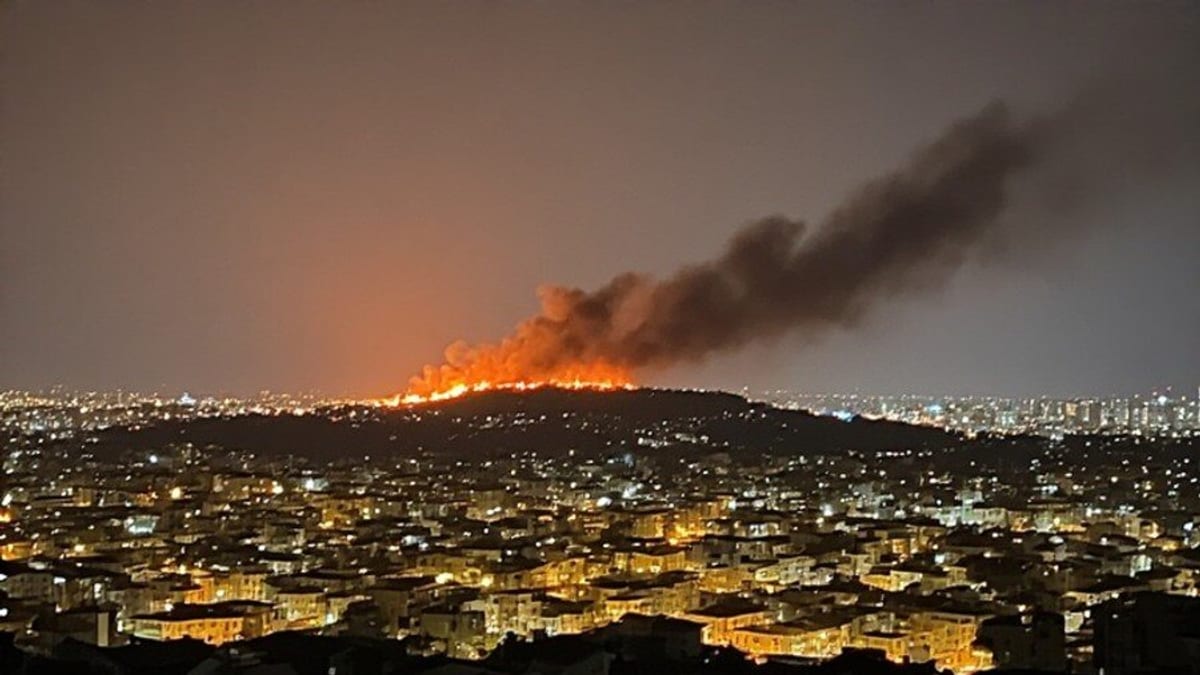
Image by Global Travel Alerts, Advisories, International Travel Alerts
From Record Highs to Sudden Reversal in Visitor Demand
Only months after celebrating record arrivals and visitor spending in 2025, Middle Eastern destinations are facing an abrupt reversal in fortunes. Publicly available data from travel and tourism industry groups indicate that the region had been on track for another year of double-digit growth in 2026 before the latest escalation in the Iran conflict. Forecasts compiled by Tourism Economics and other analysts now point instead to an 11 to 27 percent year-on-year decline in international arrivals to the Middle East, implying a swing of more than 40 percentage points compared with pre-war projections.
The UAE, which had built a reputation as a relatively insulated haven during previous regional crises, is deeply exposed this time. Reports in European and Gulf-based media describe Dubai and Abu Dhabi hotels moving quickly from high occupancy to a sudden wave of cancellations and shortened stays as travelers reconsider trips that involve flying through the Gulf. Industry commentary suggests that business travel, high-end leisure tourism, and stopover traffic have all weakened simultaneously, amplifying the impact on hotel performance metrics.
Regional forecasts cited by financial and tourism consultancies estimate that Middle Eastern destinations could forfeit between 34 and 56 billion dollars in visitor spending in 2026 if hostilities continue. Gulf Cooperation Council states, which include the UAE, Qatar, Bahrain, Oman, and Saudi Arabia, are expected to bear a disproportionate share of those losses because of their heavy reliance on aviation, shopping, and luxury hospitality as pillars of diversification away from hydrocarbons.
Airspace Closures and Flight Rerouting Hit Gulf Hubs
The single biggest shock to tourism flows has come through aviation. Following joint US and Israeli strikes on Iran in late February and subsequent Iranian missile and drone attacks on Gulf states, authorities across the region imposed emergency airspace restrictions and partial closures. Publicly available aviation bulletins and carrier statements show that thousands of flights were canceled in the first days of the crisis, leaving major hubs such as Dubai, Abu Dhabi, and Doha operating at a fraction of normal capacity.
Analyses published by international travel research groups indicate that Gulf hubs typically handle more than half a million passengers a day in transit between Europe, Asia, and Africa. With parts of the airspace around Iran, Iraq, and the Strait of Hormuz considered high risk, airlines have diverted or suspended services, sharply reducing connecting traffic that feeds hotel stays, conferences, and stopover tourism across the UAE and neighboring countries.
Industry coverage suggests that carriers based in the UAE, Qatar, Bahrain, and other Gulf states have been operating heavily reduced schedules, prioritizing repatriation flights for stranded travelers and essential movements. Some long-haul airlines from Europe and Asia have shifted capacity to alternative routings that bypass the region altogether, weakening the role of Gulf mega-hubs in the global aviation network and limiting the immediate prospects for a rapid tourism rebound.
Hotel Cancellations Spread from the UAE to Turkey, Jordan, Oman, Qatar and Bahrain
The turbulence in the skies is quickly translating into weaker performance on the ground for hotels and resorts. Travel trade publications and regional economic think tanks report a broad-based drop in new bookings and a spike in cancellations across popular tourist markets including the UAE, Turkey, Jordan, Oman, Qatar, and Bahrain. Analysts describe a pattern where group tours, meetings and events, and high-spending leisure trips are either postponed or rebooked to alternative destinations perceived as less exposed to the conflict.
For the UAE, early signs include falling occupancy at city hotels in Dubai and Abu Dhabi, especially those reliant on international corporate and conference demand. Reports from hospitality market watchers describe luxury properties offering discounted rates and targeting residents with staycation promotions in an attempt to offset lost international revenue. Beach resorts that typically rely on European winter visitors have also been affected as tour operators in source markets revise travel advisories and adjust capacity.
Neighboring countries are seeing similar patterns. In Turkey and Jordan, bookings from Gulf residents have softened as outbound demand from the region cools and some travelers opt to remain closer to home. In Oman and Qatar, which had been investing heavily in high-end resort and events-driven tourism, hotel and serviced apartment operators are reportedly grappling with double-digit declines in forward bookings for the coming months. Bahrain, which depends heavily on weekend leisure traffic and events, is contending with both flight reductions and cautious consumer sentiment.
Economic Stakes for Diversified Gulf and Regional Economies
The tourism downturn arrives at a sensitive moment for Gulf economies that have spent years promoting travel, hospitality, and aviation as central components of their diversification strategies. Economic analyses published by multilateral institutions and private-sector forecasters highlight that tourism, travel, and related services had grown to account for a rising share of non-oil gross domestic product in the UAE, Qatar, Bahrain, and Oman before the current conflict.
Recent scenario work by global forecasting firms suggests that the broader war in and around Iran could shave several percentage points off projected growth in 2026 for some Gulf states if visitor numbers remain depressed and airspace restrictions persist. In the UAE, published estimates referenced in international media point to the possibility of a material hit to non-oil activity as airlines, hotels, and retail operators face weaker demand, even as energy markets support export revenues.
Across Turkey and Jordan, where tourism receipts play a pivotal role in supporting foreign-exchange earnings and employment, the slowdown in regional visitor flows and long-haul arrivals routed via Gulf hubs poses additional macroeconomic challenges. Analysts warn that a prolonged period of insecurity and elevated travel costs could deter investment in new resorts, convention centers, and tourism infrastructure that had been planned on the basis of continued growth.
Uncertain Outlook as Travelers Seek Alternatives
Looking ahead, the outlook for tourism across the UAE and the wider region is closely tied to the evolution of the conflict and the stability of key transport corridors. According to modeling shared by travel industry research firms, a relatively swift de-escalation that allows for the reopening of critical airspace could limit the decline in arrivals to the lower end of current projections. Under scenarios where cross-border strikes between the US, Israel, and Iran continue or intensify, the fall in visitor numbers could approach or exceed the upper end of the projected range.
Evidence from booking platforms and airline reservation systems suggests that many travelers are already opting for alternative routings through non-Gulf hubs or choosing destinations in Europe, Southeast Asia, and the Americas that avoid the Middle East entirely. While some of this traffic may eventually return once conditions stabilize, specialists in tourism economics note that repeated or prolonged shocks can alter traveler perceptions for years, influencing everything from route planning by airlines to investment decisions by hotel chains.
For now, publicly available information shows that tourism boards, airlines, and hospitality operators across the UAE, Turkey, Jordan, Oman, Qatar, Bahrain, and neighboring states are focused on crisis management, rebooking stranded guests, and testing domestic and regional promotions to soften the blow. The scale and duration of the conflict will determine whether the current wave of cancellations proves to be a temporary setback or the start of a more profound reshaping of travel flows into and across the Middle East.