

More news on this day
UAE-based travelers flying with Emirates now have more breathing room to adapt to shifting plans, with new reports indicating that the carrier has opened up online rebooking for many tickets until 72 hours before departure.
Get the latest news straight to your inbox!
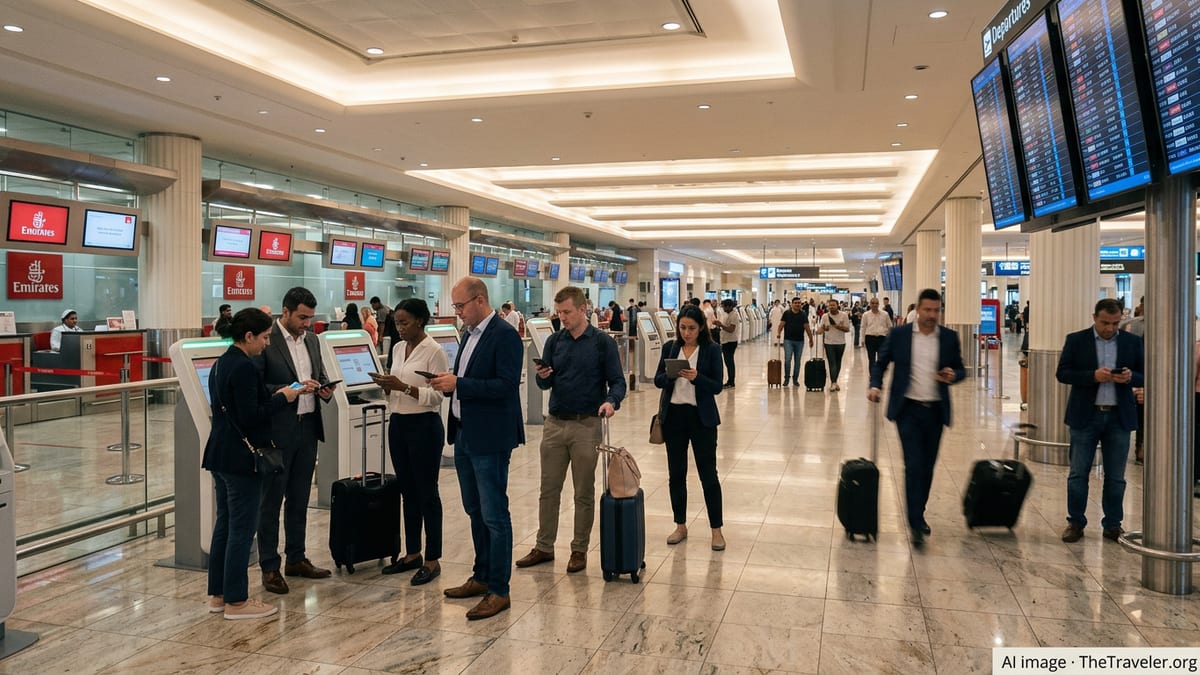
Greater Flexibility for Time-Pressed UAE Flyers
According to recent travel industry coverage and user reports, Emirates has adjusted its digital self-service options so that many passengers can now rebook their flights online up to 72 hours before departure. The change expands the practical window in which travelers can manage their own bookings, reducing the need to call contact centers or visit sales desks when plans change close to travel day.
The move comes at a time when UAE residents and visitors are juggling complex itineraries amid regional uncertainties and evolving travel patterns. A longer online rebooking window is positioned as a way to ease pressure on travelers who need to change dates, adjust connections, or shift their journeys for personal or business reasons without waiting on phone queues.
While Emirates has long allowed changes subject to fare rules and fees, the emphasis of the latest update is on how late in the booking cycle passengers can still make adjustments themselves. For many itineraries, being able to rebook three days before departure can be the difference between salvaging a trip and losing significant value on a nonrefundable ticket.
Publicly available guidance still stresses that all changes remain governed by the original ticket’s fare conditions. That means penalties or fare differences may apply, particularly on lower priced or more restrictive fare types. However, the administrative barrier is reduced when customers can use the airline’s website or app rather than relying solely on call centers, which have faced spikes in demand in recent months.
How the 72-Hour Rebooking Window Works
Published information indicates that the new flexibility centers on the existing “Manage booking” tools on the Emirates website and mobile app. Eligible travelers can log in, retrieve their reservation with a booking reference, and select new dates or times for their flights up to 72 hours before scheduled departure, as long as there is availability in the appropriate fare class.
The exact options presented to each traveler can vary by route, cabin, and fare family. More flexible products typically offer reduced change penalties or even free date changes, while promotional or special fares can still carry higher fees or tighter restrictions. Travelers are advised in public guidance to review the fare conditions visible during the booking process and again on their e-ticket or receipt.
Importantly, the 72-hour reference does not automatically guarantee free changes. Instead, it marks the cut-off for when many passengers can still process changes online without needing to contact support. Within 72 hours of departure, online options may narrow, and some passengers could be directed to contact service channels or airport desks, where decisions may be influenced by operational factors such as overbooked flights or disruption-related waivers.
For itineraries involving partner airlines, the rules can be different. Public FAQs note that partner segments may be subject to the operating carrier’s change policies and fees, even when the journey is ticketed by Emirates. In such mixed-itinerary cases, online rebooking may be limited and travelers might need to seek assistance through customer support to align changes across multiple carriers.
What This Means for UAE Business and Leisure Travelers
The expanded rebooking window is especially significant for UAE-based business travelers, who often face last-minute meeting shifts and regional travel disruptions. Being able to push a flight back or bring it forward up to 72 hours out, without lengthy support calls, can help companies control costs while reducing the stress associated with tight schedules.
Leisure travelers also stand to benefit. Families juggling school calendars, visa approvals, or multi-stop holidays can use the extra flexibility to fine-tune itineraries closer to departure. Publicly available commentary from travel advisors points out that the change is particularly useful when trips hinge on connecting flights, hotel confirmations, or event dates that are prone to last-minute movement.
The update also dovetails with broader efforts across Gulf carriers to advertise customer-friendly flexibility in response to recent regional airspace closures and weather-related disruptions. Travel media reporting has highlighted how airlines are gradually codifying ad-hoc waivers into clearer, more predictable rules so passengers know when and how they can adjust plans if conditions change.
UAE travelers who frequently fly between Dubai and key global hubs such as London, Sydney, Mumbai, and New York may feel the impact most immediately. On high-demand routes, seats can sell out or jump in price within days of departure, so an earlier and clearer rebooking window helps passengers make decisions before options narrow.
Key Differences From Previous Emirates Policies
Before the recent shift, travelers often encountered tighter practical limits on online changes, particularly as departure neared. While Emirates already supported modifications through its digital channels, passengers reported that close-in changes sometimes required calls or in-person assistance, especially for complex itineraries, partially used tickets, or special fares.
The new 72-hour reference point is being interpreted by travel observers as an effort to standardize expectations and reduce ambiguity. Rather than leaving passengers uncertain about when online tools will still work, the airline now provides a clearer timeline for managing changes digitally. This can also help reduce last-minute congestion at airport ticket counters when schedules shift.
The change sits alongside existing policy elements that predate the update. For example, guidance available to customers continues to reference a separate 24-hour grace period tied to certain tickets originating in the United States, as well as legacy flexible booking measures introduced during earlier waves of disruption. The 72-hour rebooking window does not replace those rules but adds another layer of clarity about when self-service options are available.
Fare families such as Flex and Flex Plus remain central to how much a traveler ultimately pays when changing a flight. These products usually allow more generous modifications, while restricted or saver fares can incur higher charges. The underlying structure remains intact; what has shifted is the timeframe in which those changes can be actioned online without a service intermediary.
Tips for Making the Most of the New Flexibility
Travel experts in regional media suggest that UAE passengers take an active role in monitoring their bookings in the days leading up to departure. With the 72-hour window in mind, travelers can check seat availability on alternative flights and weigh up potential change fees or fare differences before deciding whether to modify their plans.
Passengers are also encouraged by publicly available guidance to keep a close eye on travel advisories and operational updates, particularly in the current regional environment. When airlines publish waivers that relax change fees or extend rebooking deadlines, acting within the self-service window can significantly simplify the process and reduce the need for manual intervention.
Another practical step is to make use of the Emirates mobile app, which consolidates booking details, notifications, and rebooking tools in one place. For travelers on the move in the UAE or abroad, being able to initiate a change from a smartphone can be crucial when access to desktop internet or local phone support is limited.
Ultimately, the enhanced 72-hour online rebooking option reflects an industry-wide shift toward giving passengers more control over their journeys. For UAE residents and visitors who rely on Emirates for regional and long-haul connectivity, the development offers a measure of reassurance that travel plans can adapt more easily to the unexpected.