

More news on this day
Uber is moving to acquire German chauffeur specialist Blacklane in a deal that would fold one of the best-known global black-car networks into the rideshare giant’s fast-growing premium segment, according to recent industry coverage and financial press reports.
Get the latest news straight to your inbox!
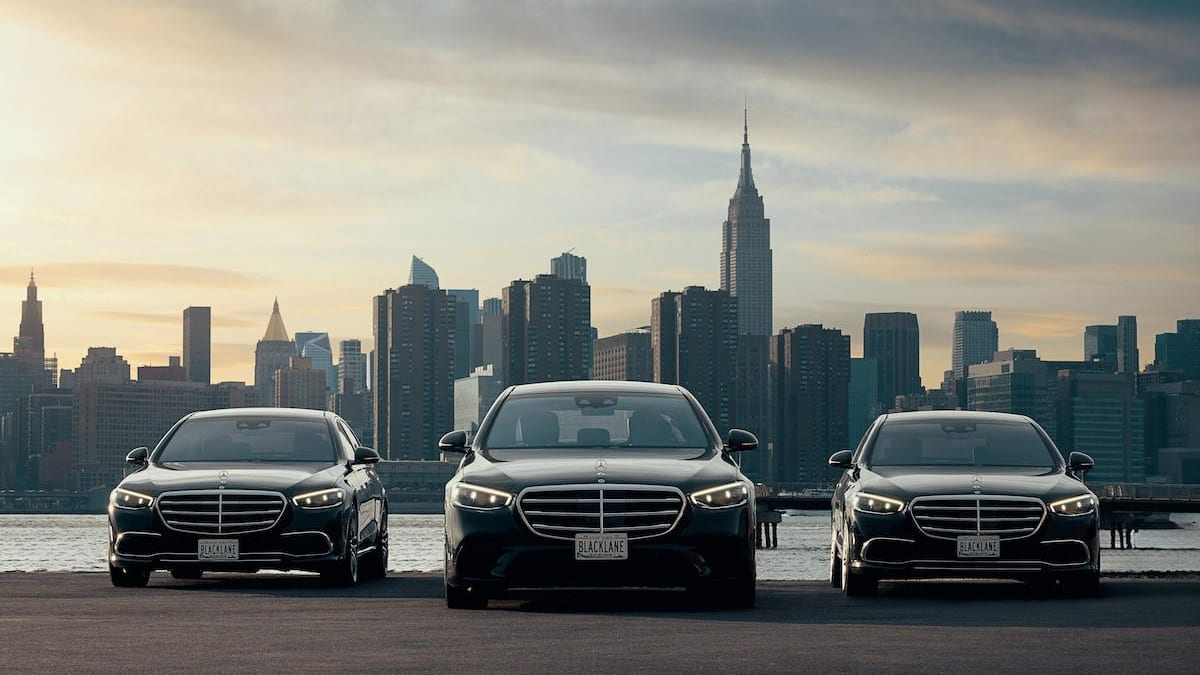
Image by One Mile at a Time
Strategic bet on high-end and corporate travel
Publicly available information indicates that Uber has identified executive and luxury travel as one of the fastest-growing parts of its business, even as it continues to expand lower-priced options in many cities. The planned acquisition of Blacklane, a company built around prebooked chauffeured transfers, would give Uber a ready-made global footprint in high-yield airport, hotel and corporate rides.
Reports from industry outlets describe the deal as a logical extension of Uber’s premium tiers, such as Uber Black and newer invitation-only offerings that target business leaders and frequent flyers. By integrating Blacklane’s service into its platform, Uber would be in a position to offer everything from budget rides to chauffeur-driven sedans and SUVs, all within the same app.
The move comes as both business travel and high-end leisure demand continue to recover, with travel managers and corporate clients looking for more consistent service levels and clear pricing. Analysts following the sector suggest that a deeper push into premium travel could help Uber diversify revenue and reduce its exposure to the most price-sensitive parts of the rideshare market.
While financial terms of the prospective Blacklane transaction have not been disclosed in available coverage, the deal would mark one of Uber’s most visible bets on the upper end of ground transportation, positioning it more directly against traditional limousine firms and specialist chauffeur platforms.
Who is Blacklane and how it operates
Founded in Berlin in 2011, Blacklane has grown into a global chauffeur service operating in hundreds of cities across more than 50 or 60 countries, according to company and legal filings. Rather than owning its own vehicles, Blacklane partners with local licensed chauffeur and limousine companies, providing them with bookings while presenting a unified, app-driven experience to travelers.
The company has attracted substantial investment over the past decade, including a multi-million euro Series G funding round in late 2024 that was earmarked for network expansion and technology upgrades. Legal and corporate documents describe Blacklane as a premium platform focused on reliable airport transfers, point-to-point rides and hourly bookings, targeting both individual travelers and corporate accounts.
Blacklane has also positioned itself as an environmentally conscious operator, highlighting efforts to certify its carbon-offsetting approach and promote low-emission vehicles where possible. These sustainability-focused initiatives align with broader trends in corporate travel procurement, where emissions reporting and greener options are increasingly part of supplier selection.
Recent partnerships around airports, including collaborations that combine chauffeur rides with terminal assistance services, show how Blacklane has been trying to differentiate itself in a crowded field. Folding that expertise into Uber’s global brand and customer base could accelerate those efforts and bring them to a much wider audience.
How Uber could integrate chauffeur service into its platform
Industry reports suggest that, if the acquisition closes as expected, Uber would gain access to Blacklane’s existing relationships with local chauffeur companies, as well as its booking and dispatch technology. That would create an opportunity to embed a true chauffeur option alongside Uber’s existing premium categories, with more consistent vehicle standards, dress codes and meet-and-greet services at airports and hotels.
Travel technology analysts note that Uber has been steadily expanding its travel-related tools, from in-app flight and hotel integration to new ground products tailored for business travelers. Adding a global chauffeur network would fit with that strategy, allowing Uber to present itself not only as a ride-hailing app but as a broader mobility and travel partner for corporations, travel management companies and high-spend individual customers.
For drivers and operators, the combination could mean new distribution channels. Blacklane’s model already funnels prebooked high-value rides to professional chauffeur firms. Plugging that model into Uber’s vast demand pool and corporate sales infrastructure could increase utilization for fleets that meet stricter licensing and vehicle standards.
At the same time, integrating two different operational models presents challenges. Blacklane’s prebooked, fixed-price approach and tighter controls over service levels differ from Uber’s more flexible, on-demand marketplace. Observers say the success of the deal will depend on how well Uber can preserve Blacklane’s premium positioning while still achieving the scale benefits it seeks.
Competitive and regulatory implications for global mobility
The planned acquisition arrives as competition intensifies at the top end of the ride and chauffeur market. Traditional limousine providers, regional black-car specialists and other app-based players are all vying for corporate contracts and high-spend travelers. Bringing Blacklane under the Uber umbrella would give the U.S.-based company a stronger claim to that space, especially in Europe and key international hubs where Blacklane is well established.
Regulatory scrutiny is likely to focus on how the combined business affects local chauffeur and limousine markets, particularly in cities where licensing rules are strict and incumbents have historically pushed back against ride-hailing platforms. Commentators point out that Blacklane’s long-standing work with licensed operators and its adherence to local rules in many jurisdictions could help smooth some of those concerns.
The deal also intersects with Uber’s parallel push into autonomous and electric vehicles, including recent agreements with technology and automotive partners. While robotaxis and chauffeur-driven rides serve different segments, both fit into Uber’s broader pitch to be a one-stop mobility platform spanning multiple price points and levels of service.
For travelers, the combination of Uber’s scale with Blacklane’s chauffeur offering could eventually translate into more choice when booking airport transfers or executive transport. How pricing, loyalty benefits and booking flows will be structured has not yet been detailed in public reporting, but travel buyers and frequent travelers are already watching closely as the companies move toward closing the transaction by the end of 2026, subject to regulatory approvals.