

More news on this day
Uganda is ramping up efforts to court Chinese travelers, unveiling an ambitious blend of cultural diplomacy and destination marketing that positions the East African nation as a compelling long-haul choice for one of the world’s most powerful outbound tourism markets.
Get the latest news straight to your inbox!
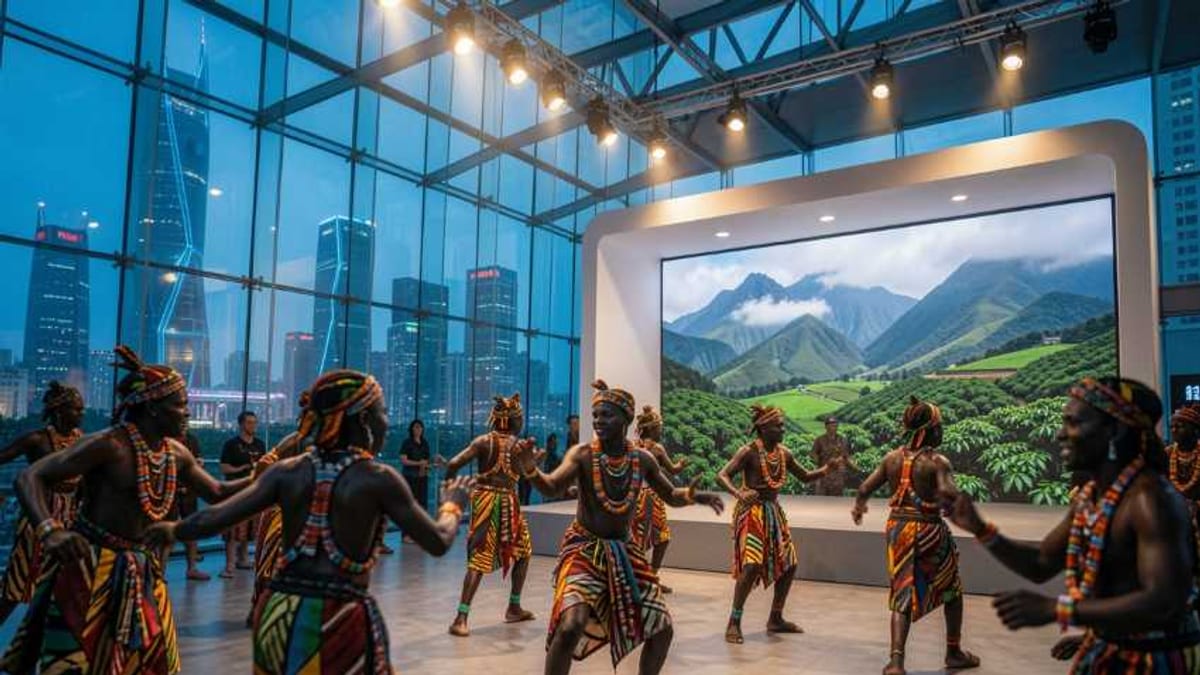
Image by Travel And Tour World
Cultural Showcases Take Center Stage in China
Recent promotional drives in China have placed Uganda’s cultural wealth at the heart of its tourism message. Publicly available information from Ugandan diplomatic missions describes a series of themed events that combine traditional music and dance, cuisine, fashion and storytelling with visual campaigns built around the “Explore Uganda, The Pearl of Africa” brand. These activities are designed to give Chinese audiences a vivid sense of the country’s living heritage rather than a purely safari-focused image.
Embassy and consular initiatives in Beijing, Shanghai and Guangzhou have highlighted Uganda’s diverse ethnic traditions, from drumming ensembles and royal court dances to contemporary cultural performances. At high-profile functions marking Uganda’s independence and national days, cultural troupes, chefs and artists have been brought together to curate immersive evenings that present culture, tourism and investment as interlinked pillars of cooperation.
Participation at major Chinese trade and tourism platforms has added further visibility. At the China International Tourism Industry Expos and large import and investment fairs, Uganda’s stands have prominently featured cultural artifacts, traditional attire and live demonstrations alongside wildlife and landscape imagery. Reports indicate that these showcases are attracting growing attention from Chinese tour operators looking to diversify beyond classic destinations.
Uganda’s representation at international education and cultural festivals in Chinese universities has also become a useful channel to reach younger, experience-driven travelers. Student-focused events, where Ugandan participants present dance, fashion and food, are helping to plant the idea of Uganda as a distinctive and welcoming destination among China’s emerging middle-class travelers.
Tourism Agreements and Expo Awards Build Market Confidence
Alongside visual spectacle, Uganda is leveraging formal partnerships to deepen its reach in China’s competitive tourism market. Recent coverage of Uganda’s participation at China’s large-scale travel expos indicates that Ugandan delegations have used these gatherings to negotiate agreements with major Chinese tour wholesalers and online travel platforms. These arrangements typically focus on joint marketing, product development and route packaging.
One widely reported milestone from 2025 was Uganda’s recognition among top-performing organizers at a leading tourism industry expo in southern China. Media accounts describe Uganda being singled out for innovative presentation of its nature and culture, an accolade that helped reinforce its profile among hundreds of Chinese and international industry buyers. The recognition followed a period of intensive promotion featuring coffee tastings, cultural performances and destination briefings.
Strategic memoranda of understanding signed with Chinese travel enterprises are intended to translate such brand exposure into actual visitor flows. These agreements outline plans for co-branded tour series featuring gorilla and wildlife encounters combined with cultural circuits, as well as digital campaigns on Chinese social media and travel platforms. Ugandan tourism officials have framed these deals as a foundation for sustained, rather than sporadic, promotion.
Chinese partners, for their part, gain access to fresh product in Africa at a time when more travelers are seeking less-crowded, high-experience destinations. Packaged itineraries that integrate iconic wildlife with village visits, traditional performances and gastronomy experiences are seen as particularly promising for affluent Chinese travelers interested in status travel and storytelling.
Heritage, Wildlife and Coffee Positioned as Signature Experiences
Uganda’s messaging in the Chinese market is being built around three interlinked pillars: cultural heritage, biodiversity and coffee. Trade and tourism materials emerging from recent expos highlight the country’s status as home to rare mountain gorillas and the “Big Five,” set within lush highlands and savannah landscapes that contrast strongly with many Chinese domestic destinations.
At the same time, curators of Uganda’s China showcases have deliberately foregrounded cultural depth. Exhibitions have presented traditional crafts, royal regalia, musical instruments and fashion that draw on Uganda’s numerous kingdoms and ethnic groups. Performances and displays seek to convey an image of a modern, youthful society anchored in long-standing traditions, appealing to Chinese visitors who associate culture-rich travel with prestige and learning.
Coffee occupies a special place in this narrative. Uganda’s presence at Chinese fairs frequently features specialty coffee from highland regions, with live brewing sessions and tastings. This approach taps into the rapid growth of coffee culture in China’s major cities and frames Uganda not only as a place to visit but as a source of premium lifestyle products that travelers can continue to enjoy after their trips.
By blending these strands, Uganda is positioning itself as more than a wildlife stop. It is being promoted as a destination where Chinese visitors can attend festivals, learn about traditional kingdoms, explore historical sites and sample distinctive cuisine alongside headline attractions such as gorilla trekking and Nile experiences.
Data Signals Rising Potential in the Chinese Market
Uganda’s focus on China is supported by recent tourism statistics that point to rising potential despite global headwinds. Official tourism data published in late 2025 shows that, while arrivals from some traditional markets in Europe and North America softened in 2024, visitors from China registered a modest but noticeable uptick. Analysts interpret this as an early sign that targeted promotion and improved air connectivity in the wider region are starting to pay off.
Comparative figures for 2020 to 2024 indicate that China’s share of total tourist arrivals remains relatively small but is trending upward. Policy documents and promotional strategies from Uganda’s tourism authorities now routinely list China among priority source markets, alongside regional African neighbors and a handful of long-haul economies. This shift reflects both demographic realities in China and the desire to diversify beyond traditional markets.
Uganda’s broader tourism performance has also strengthened the case for deeper engagement. The Pearl of Africa Tourism Expo in Kampala has evolved into a major B2B platform where Chinese and Asian buyers are increasingly represented. Coverage of the 2025 edition describes growing interest in multi-country East African circuits that incorporate Uganda, suggesting opportunities to bundle Ugandan experiences with routes through Kenya, Tanzania or Rwanda for Chinese groups.
The emphasis on culture within these statistics-driven strategies is notable. Planning documents and promotional narratives highlight cultural tourism as a high-value niche capable of distributing visitor spending beyond core wildlife parks, into communities, historic towns and cultural landscapes. Targeting the Chinese market with such products is seen as a way to maximize economic impact and support heritage preservation.
Cultural Diplomacy as a Long-Term Strategy
Beyond immediate tourism gains, Uganda’s activities in China are being framed as part of a long-term cultural diplomacy strategy. Official newsletters and embassy communications repeatedly stress the role of culture and tourism in deepening people-to-people ties, complementing established cooperation in infrastructure, trade and education.
Events in Beijing and other Chinese cities have brought together Ugandan diaspora communities, Chinese business representatives, students and media to experience Ugandan music, dance and food in a shared setting. Organizers present these gatherings as platforms to challenge outdated perceptions of Africa and to introduce Uganda as a dynamic partner in creative industries, education exchanges and sustainable tourism.
Film and multimedia are emerging tools in this effort. A recent documentary premiere at Uganda’s consulate in Guangzhou, which focused on conservation and culture, was attended by travel professionals, media and cultural influencers. Reports from the event describe strong interest in story-led itineraries that link wildlife experiences with community-based tourism projects and cultural landmarks.
As Uganda looks ahead, the bet is that sustained cultural presence in China will generate returns not only in visitor numbers but also in investment, educational links and soft power. By projecting its cultural grandeur alongside its natural riches, the country aims to secure a distinctive place in the imagination of Chinese travelers and to translate that visibility into tourism wealth at home.