

More news on this day
The United Kingdom has become the latest country swept into a widening wave of global flight disruptions, as spreading conflict in the Middle East forces airlines to reroute long-haul services, push up fares and scramble capacity to keep key routes to Europe open.
Get the latest news straight to your inbox!
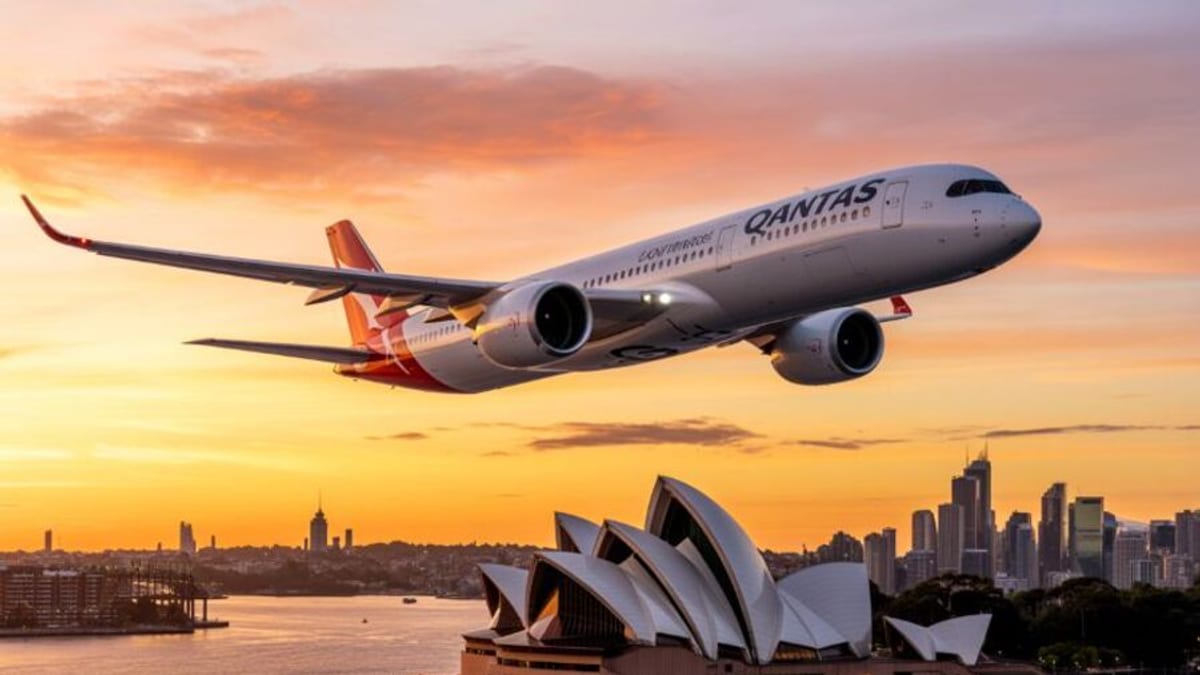
Image by Latest International / Global Travel News, Breaking World Travel News
UK Curbs Highlight Expanding Airspace Patchwork
Recent restrictions and precautionary measures involving flights linked to the United Kingdom have underscored how far the ripple effects of Middle East conflict now reach into global aviation. Publicly available tracking data and media coverage show the UK aligning with the United States and a growing list of states that have limited, rerouted or closely managed flights transiting volatile corridors after waves of missile and drone activity.
Flight tracking platforms and industry reports indicate that airspace closures and restrictions in and around Iran, Iraq, Syria, Israel, Qatar and the United Arab Emirates have repeatedly forced airlines to redraw their flight plans. As a result, carriers serving the UK and continental Europe have been shifting routings north or south of traditional paths, adding time and fuel burn to journeys that once cut directly across the Gulf and surrounding regions.
Italy and France have also been cited in recent coverage as among the European states whose carriers are adjusting services, particularly on routes connecting to the Middle East, South Asia and Australasia. The knock-on effect for UK airports is a more fragile long-haul network, with aircraft and crew often arriving out of position and schedules vulnerable to cascading delays.
Analysts note that with Russian and Ukrainian airspace already largely off-limits due to the war in Ukraine, the latest restrictions in the Middle East are shrinking the safe, commercially viable corridors available to long-haul flights linking Europe with Asia and Australia. For UK-based travelers, that means fewer direct options, longer flight times and a growing reliance on complex multi-stop itineraries.
US, Gulf and European Hubs Grapple With Ongoing Volatility
Reports from aviation data providers and international news outlets describe a constantly shifting operating environment across the Middle East, with airspace repeatedly closing at short notice around major hubs in Qatar, the UAE and Iran during spikes in regional tension. Temporary suspensions and diversions affecting Doha, Dubai and other key waypoints have disrupted carefully choreographed global networks that connect the US and Europe with Africa, South Asia and Oceania.
Coverage of recent incidents has highlighted how quickly large numbers of travelers can be stranded when multiple states simultaneously restrict their skies. After major strikes or escalations, countries including Qatar, Iran, Iraq and Bahrain have at times closed or limited airspace, while the UAE has briefly halted arrivals and departures as a precaution. These moves have forced transcontinental flights between North America, Europe and Asia to take lengthy detours or divert to secondary airports.
US-bound itineraries that typically rely on Gulf and Levant hubs have been especially exposed. With some direct overflight options unavailable, airlines are routing traffic through alternative hubs in Europe, Central Asia and Africa, creating new choke points and stretching airport and air traffic control capacity. Travelers originating in or connecting through the UK, Italy and France are increasingly feeling the impact in the form of missed connections, overnight delays and shortened itineraries.
The accumulation of these measures by the US, Gulf states and European partners illustrates how aviation has become tightly bound to the shifting front lines of the conflict. Even when formal airspace closures are lifted, many carriers have maintained wide buffer zones around perceived risk areas, extending the period of disruption well beyond each individual incident.
Qantas Adds Europe Capacity While Rerouting Around Conflict Zones
Against this backdrop of mounting airspace complexity, Qantas is moving in two directions at once: increasing its European capacity to meet intense demand while redrawing its flight paths to avoid volatile skies. According to recent Australian and international business coverage, the airline has reported unusually strong bookings on key European routes, including services linking Perth with London and Paris, as well as seasonal flights to Rome.
Publicly available statements and reports indicate that Qantas is examining additional capacity on Europe routes that already run near full, often at more than 90 percent load factors in recent weeks. Some long-haul flights are being steered further away from conflict-affected areas, with routings that favor connections through Asia, South Africa or North America instead of traditional Middle East hubs. These alternatives increase flying time and operating costs but reduce exposure to unexpected airspace closures.
Industry analysis suggests that Qantas, like other long-haul carriers, is trying to preserve the attractiveness of the so-called Kangaroo Route between Australia and Europe without relying on corridors that have become operationally unpredictable. For UK, French and Italian travelers headed to Australia, this has translated into a patchwork of options that often blend Qantas-operated sectors with partner airlines on more circuitous routings.
The airline’s strategy reflects a broader shift in global network planning, with carriers recalibrating schedules season by season as the regional security outlook changes. In practice, that can mean last-minute aircraft swaps, retimed departures and newly introduced stopovers on routes that were previously nonstop or single-stop connections.
Airfare Increases Intensify Pressure on Long-Haul Travelers
Rising operating costs associated with conflict-driven rerouting are now feeding directly into ticket prices. Recent Australian business reporting shows Qantas raising international fares, citing volatile oil prices linked to the war in the Middle East and the need to cover longer flight paths and heightened insurance and security expenses. Similar upward pressure on pricing is being observed among other airlines exposed to the same corridors.
For travelers between Europe and Australia, especially those originating in the UK and major EU markets such as France and Italy, this creates a painful combination of fewer predictable routing options and higher fares. Published analyses note that premium cabins in particular have seen strong demand, as passengers look for flexibility and protection against disruption, driving yields higher even as airlines contend with operational uncertainty.
Budget-conscious travelers are increasingly shunting itineraries through secondary hubs or accepting longer layovers to avoid the most expensive direct options. However, as more carriers converge on a limited number of safe corridors, congestion is likely to keep base fares elevated. Industry observers suggest that any relief in pricing will depend not only on oil markets calming but also on a sustained easing of geopolitical risk along key overflight routes.
Until then, air travel between Europe, the Gulf and the Asia-Pacific region is expected to remain more expensive and less predictable than before the current phase of conflict. With the UK now clearly caught in the same web of constraints affecting the US, UAE, Qatar, Iran, Italy, France and others, airlines and passengers alike face a prolonged period of adjustment in how they connect across continents.