

More news on this day
UK air passengers are beginning to feel the impact of a global jet fuel shock, as rising operating costs and weakening demand trigger the first wave of flight cancellations and surcharges across the country’s aviation market.
Get the latest news straight to your inbox!
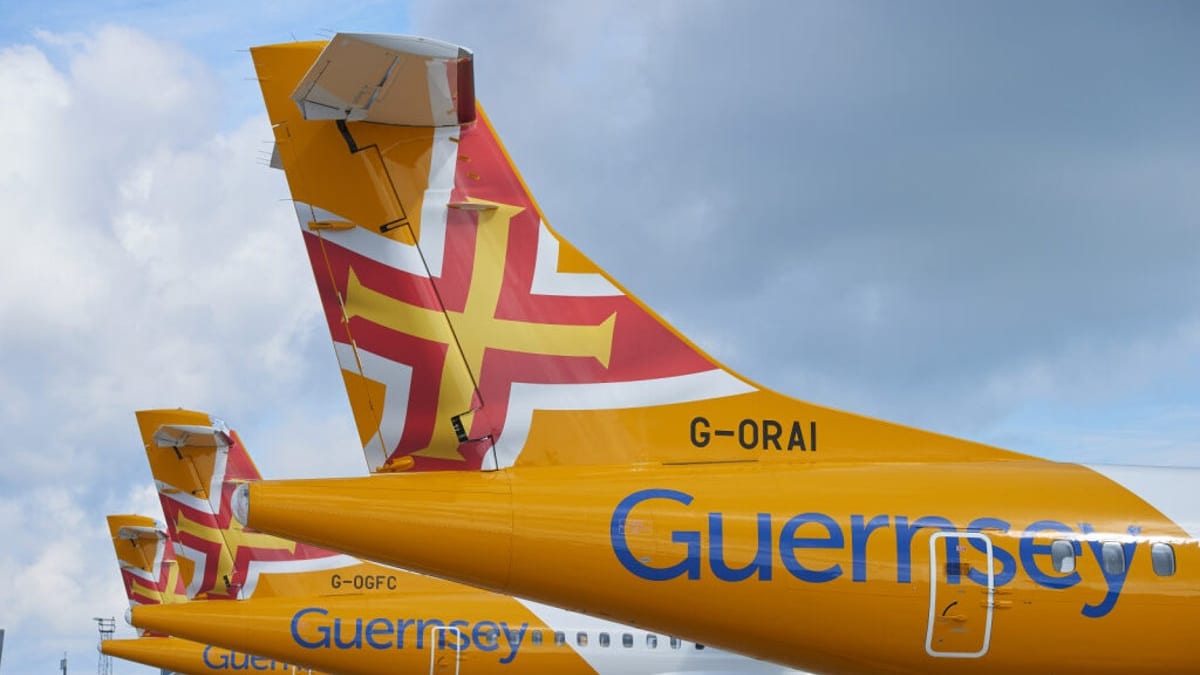
Regional carriers lead in early UK flight cuts
Early signs of a capacity pullback are emerging first among smaller regional operators serving the UK. Recent reports indicate that Guernsey-based Aurigny has begun cancelling a series of services between mid-April and early June, citing a sharp rise in fuel costs alongside a reported double-digit fall in bookings for May. The carrier has linked the decision to global energy instability and a deteriorating revenue outlook on marginal routes.
The cancellations focus on lower-density services where aircraft are more exposed to swings in fuel prices and where yields have softened as households respond to broader cost-of-living pressures. Industry analysts note that these regional links often operate on thin margins, leaving little room to absorb rapid cost inflation without schedule changes.
Aurigny’s move is being watched closely by other small and mid sized airlines that lack extensive fuel hedging programs or diversified networks. Market observers suggest that similar capacity reductions could follow on short cross-channel and domestic routes if fuel markets remain volatile into the summer peak.
For travellers, the disruption is most immediately visible in island and secondary-city connections, where alternative options are limited and replacement flights may involve longer routings through major hubs such as London or Manchester.
Jet fuel prices surge as supply risks mount
The cancellations come against a backdrop of rapidly escalating jet fuel prices linked to geopolitical tensions and shipping disruption around key Middle Eastern supply routes. Recent industry data indicate that wholesale jet fuel benchmarks have roughly doubled from late 2025 levels, with some assessments putting spot prices close to 200 dollars per barrel in early April.
Supply security has become a central concern for European aviation planners. Publicly available analysis of the so called Hormuz crisis suggests that the UK faces one of the highest disruption risks in Europe due to its heavy reliance on imported fuel and the closure of domestic refining capacity in recent years. Specialist energy trackers report that the final Middle East tanker supplying UK jet fuel left port at the end of March, highlighting the fragility of current stocks.
Airlines are also contending with policy driven cost pressures. From 2026 the phase out of free carbon allowances under European emissions trading rules requires carriers to purchase a greater share of permits, adding another line item to operating budgets at the same moment that conventional fuel bills spike.
Larger UK based and European airlines have shielded themselves in part through hedging strategies that lock in fuel at pre crisis prices. Budget groups with higher hedge coverage have publicly indicated they remain “reasonably well covered” for the coming year, but acknowledge that any prolonged period of elevated prices will eventually filter through to fares and capacity plans.
Demand cools as fares and surcharges climb
While the immediate shock is on the cost side, early evidence suggests that demand for some UK routes is already softening in response to higher ticket prices. Reports from airlines and travel agencies point to weaker forward bookings on discretionary short haul trips, particularly outside school holidays, even as long haul and leisure heavy markets remain comparatively resilient.
According to recent coverage in UK and European travel media, some carriers have begun to introduce or increase fuel related surcharges on tickets originating in the UK. In parallel, airport charges and environmental levies are edging higher, further lifting advertised prices. For price sensitive travellers, especially on domestic and near European routes where rail or ferry alternatives exist, the combined effect appears to be a growing willingness to defer or cancel trips.
Analysts tracking global traffic trends note that the shift echoes patterns seen during previous energy shocks, in which airlines initially try to pass higher costs to passengers but are eventually forced to trim capacity as demand reacts. In the current cycle, that adjustment is being accelerated by the lingering effects of high inflation on UK household budgets and by uncertainty around the broader economic impact of the fuel crisis.
These demand dynamics leave carriers with difficult choices about where to deploy scarce fuel and aircraft time. Early schedule changes are focusing on lower yielding frequencies and shoulder season flights, preserving peak holiday departures where willingness to pay remains strongest.
Summer schedules under review across UK networks
With the key summer travel period approaching, airlines operating in and out of the UK are reassessing their schedules, particularly on fuel intensive and lower margin routes. Aviation analytics firms report that European carriers have already pared back some services to the Middle East and parts of Asia as detours around conflict zones lengthen flight times and increase fuel burn.
For UK travellers, the immediate impact may be most pronounced on connecting itineraries via Gulf and Eastern Mediterranean hubs, where some flights have been reduced or rerouted. Long haul journeys that once relied on dense, competitively priced one stop options are increasingly constrained by higher operating costs, prompting several airlines to prioritise core trunk routes over thinner spokes.
Industry forecasts published in recent weeks warn that, if current fuel price levels persist into June and July, more extensive cancellations could be needed to keep networks financially viable. In that scenario, observers expect airlines to concentrate remaining capacity on routes with strong leisure or visiting friends and relatives demand while scaling back experimental or marginal services.
Airport slot rules and staffing constraints may further complicate any large scale reshaping of the summer programme. Nevertheless, schedule changes announced so far suggest that capacity adjustments are already underway, even if they have yet to translate into widespread headline grabbing mass cancellations for UK airports.
What UK passengers can expect in the months ahead
For now, major UK hubs such as Heathrow, Gatwick and Manchester continue to operate broadly normal schedules, and overall cancellation rates remain relatively low by historical standards. The emerging pattern is one of targeted cuts, modest surcharges and selective fare increases rather than blanket grounding of fleets.
Travel experts advise that the greatest risk of disruption lies on routes operated by smaller regional carriers and on services scheduled for late spring and early summer that may be revised as the fuel situation evolves. Passengers booking for May and June are being urged by consumer groups to monitor airline communications closely and to consider flexible tickets where possible, given the potential for timetable changes.
At the same time, passengers retain important protections under UK and EU consumer rules when flights are cancelled or significantly altered for commercial reasons. While compensation and rebooking rights can vary according to the circumstances, recent reports highlight a growing number of travellers successfully securing refunds or alternative travel when airlines consolidate lightly booked services.
Much will depend on whether fuel markets stabilise in the coming weeks and whether demand continues to cool. If prices ease and bookings recover, current cancellations may be remembered as a short, sharp adjustment. If not, the early cuts now visible in UK regional skies could mark the start of a broader realignment in how and where airlines choose to fly.