

More news on this day
Air travelers heading to and from the UK and European Union this summer are being urged to brace for possible schedule changes, higher fares and last-minute disruptions as warnings grow over looming jet fuel shortages across the region.
Get the latest news straight to your inbox!
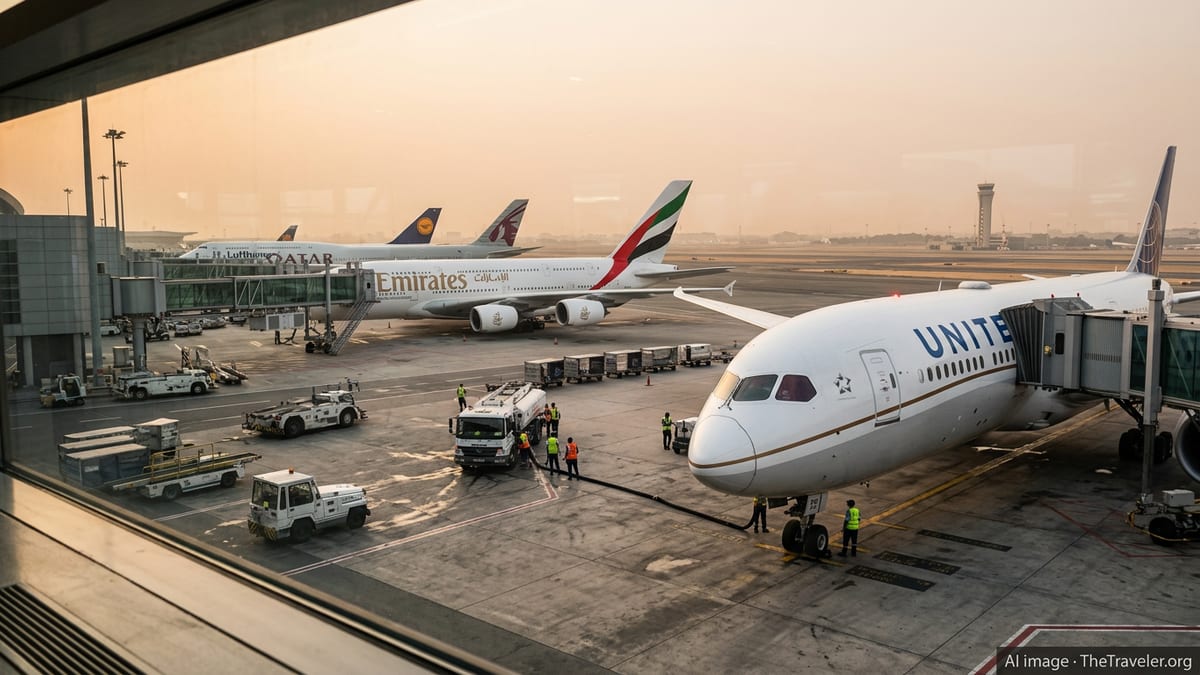
Why Europe Is Suddenly Worried About Jet Fuel
Publicly available information from aviation bodies and energy analysts indicates that Europe’s jet fuel supplies have come under acute pressure following the closure of key shipping lanes in the Gulf, particularly around the Strait of Hormuz. The region relies heavily on refined products from the Middle East, and recent conflict-related disruptions have sharply reduced the flow of aviation kerosene into Northwest Europe.
Recent analysis by Airports Council International Europe and other industry groups highlights that imported jet fuel now covers a substantial share of demand for the EU and the UK. With several European refineries having reduced or halted kerosene output in recent years, the continent’s own production capacity is no longer sufficient to offset a prolonged interruption of Gulf cargoes.
Specialist market reporting points to a rapid spike in jet fuel prices, in some cases reaching levels far above those seen even during earlier energy shocks. That combination of tight physical supply and rising costs is feeding concern that airlines may be forced to trim schedules or reconfigure networks just as peak holiday demand builds from late spring into August.
Coverage in European and international media also notes that this jet fuel squeeze is unfolding alongside broader energy strains triggered by the Iran-related conflict, which has lifted global oil benchmarks and pushed up fuel bills for households and businesses across the continent.
How UK and EU Flights Could Be Affected
Reports from several European outlets suggest that airports and airlines are already preparing for potential shortfalls from late April onward if Gulf shipments do not resume at scale. Internal briefings described in published coverage refer to the risk of a “systemic” shortage, in which multiple airports across different countries would see constrained supplies at the same time.
In practice, the most likely immediate impacts for passengers would include selective flight cancellations, thinner schedules on certain routes and more frequent use of refuelling stops. Some long-haul services that normally depart the UK or EU with full tanks may instead uplift less fuel at departure and refuel en route at airports with more secure access to fuel, adding time and complexity to journeys.
Low-cost and short-haul carriers serving popular holiday destinations are also under scrutiny, as they typically operate high-frequency, quick-turnaround schedules that depend on reliable fuel supply at every base. Public comments from airline leaders, reported in European business media, indicate that some large carriers are already considering cutting a portion of their planned summer flights if the market remains tight.
Airports in parts of Italy and southern Europe have been among the first to introduce local fuel restrictions, according to regional press reports. While these measures have so far been described as precautionary and targeted, they illustrate how localized constraints could gradually ripple outward and affect wider networks, including hubs serving the UK.
Which Destinations and Travelers Are Most at Risk
Analysts quoted in recent European coverage suggest that the impact of any jet fuel shortage will not be evenly spread. Airports and countries that depend heavily on imported fuel from the Gulf, and that have limited alternative supply routes or storage, are seen as most exposed. Several studies have singled out the UK and parts of southern Europe, including Portugal and Italy, as particularly vulnerable.
Major hub airports in the UK, France, Germany, the Netherlands and Spain may be better positioned in the short term because they typically work with multiple suppliers and have more experience managing complex supply chains. However, their role as transfer points means that even modest fuel constraints can quickly cascade into missed connections and congested terminals if flights begin to run late.
Leisure routes serving Mediterranean beach destinations, island getaways and secondary tourist airports could see earlier and sharper cuts, since airlines often prioritize fuel and aircraft for core business and trunk leisure routes. Travelers booked on services that operate only a few times a week, or to smaller regional airports, may therefore face a higher risk of schedule changes.
By contrast, some northern European airports with access to alternative refining hubs or pipeline networks may be able to cushion the blow, although industry briefings quoted by European media still warn that no part of the continent would be entirely insulated if Gulf disruptions extend through the summer.
What Airlines and Airports Are Doing to Cope
Publicly available information indicates that airlines and airports across the UK and EU are already deploying a mix of short-term fixes to safeguard operations. One widely reported measure is “tankering,” in which aircraft load extra fuel at airports where supply is more secure or cheaper, then use that fuel to cover sectors to airports facing shortages.
This strategy can help maintain schedules but increases aircraft weight and fuel burn, and may in some cases require airlines to restrict baggage or limit the number of passengers on specific flights to stay within safety margins. Industry outlets have already described instances in which carriers have adjusted payloads on long-haul services departing from fuel-constrained airports.
Some airports, particularly in the UK and leading EU hubs, are drawing more heavily on strategic stocks while working with governments and fuel suppliers to diversify sourcing. At the same time, the crisis is accelerating interest in sustainable aviation fuel, with several major airports having recently raised their targets for alternative fuel use as a way to improve long-term resilience.
Airlines also continue to lean on financial hedging strategies put in place before the crisis, which lock in fuel prices for a portion of their 2026 needs. While hedging cannot create supply where none exists, it may help limit sudden fare spikes and buy time for carriers as they adjust capacity to the evolving situation.
How Travelers Can Prepare Before the Summer Holidays
Consumer travel advisories and airline statements reviewed by TheTraveler.org consistently stress that most scheduled flights remain intact for now, but they also urge passengers to plan more cautiously for the coming months. Flexible booking options, once seen as a pandemic-era extra, are again being highlighted as a practical safeguard.
Travel industry guidance suggests that passengers booking flights to or within Europe in the next few weeks should pay close attention to fare conditions, prioritizing tickets that allow free date changes or low-cost rebooking. Choosing direct flights where possible and allowing longer connection times can reduce the risk of missed onward journeys if earlier legs are delayed or rescheduled.
Travel insurers and consumer groups are also reminding passengers to review policy wording related to “operational disruption” and fuel-related cancellations. Some policies may cover additional accommodation and rebooking costs if airlines alter schedules due to fuel constraints, while others may treat such disruption more narrowly.
Finally, passengers are being advised to monitor airline apps and airport information channels closely in the days before departure and on the day of travel. With the jet fuel outlook still uncertain and contingent on developments in the Gulf, the situation for UK and EU flights heading into the peak holiday season remains fluid, making timely information and flexible plans more important than ever.