

More news on this day
British and European holidaymakers face a fresh bout of uncertainty for summer 2026 as Ryanair flags the risk of fuel-related disruption across its network, with the UK, Portugal and several other European markets now bracing for possible schedule chaos, higher fares and last-minute changes.
Get the latest news straight to your inbox!
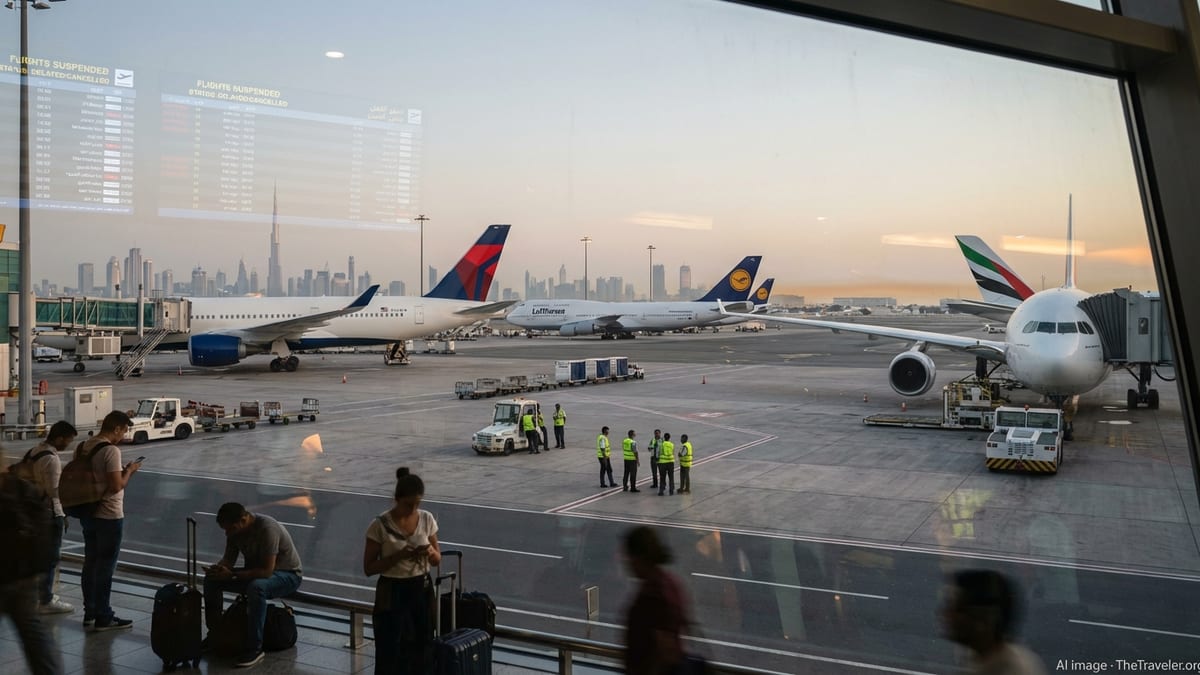
Fuel Shock Fears Ahead of Peak Holiday Season
Recent commentary from Ryanair and industry analysts highlights growing concern that the current oil supply turmoil could spill over into jet fuel availability just as Europe’s peak holiday season begins. Publicly available information indicates that the closure of key shipping routes and the wider fallout in energy markets have pushed benchmark crude prices sharply higher and raised the risk of regional fuel shortages in the months ahead.
Coverage of Ryanair’s latest investor guidance notes that the airline has warned of a “reasonable” risk that a share of its fuel supply could be affected during May and June, even though the carrier has hedged a significant portion of its needs at lower prices. Financial analysis reports add that Ryanair has begun stress testing scenarios that include localised supply issues at some European airports, which could lead to selective flight cancellations or forced schedule changes if aviation fuel deliveries fall short.
European aviation observers point out that any fuel squeeze would hit low cost networks at a particularly sensitive moment. Airlines such as Ryanair, easyJet and Wizz Air rely on tight aircraft rotations and high utilisation during summer to keep fares down. Even a relatively small number of fuel-related delays at key bases could quickly cascade into wider disruption because there is little slack in schedules once school holidays begin.
UK Identified as Especially Exposed Market
Reports in European travel media state that Ryanair has singled out the United Kingdom as one of the markets most vulnerable to fuel supply interruptions this summer, reflecting the country’s significant reliance on imported energy. Industry commentary also notes that the UK’s dense and highly congested airspace, coupled with chronic air traffic control constraints, leaves very little margin to absorb additional operational shocks.
Recent travel coverage in the UK press has already warned of a difficult summer for passengers, citing concerns about air traffic control staffing, potential industrial unrest and capacity bottlenecks at major hubs. Against this backdrop, the possibility of intermittent fuel constraints is being described by analysts as another layer of risk that could amplify delays, diversions and on-the-day cancellations if airlines are forced to re-route or tanker additional fuel from less affected airports.
Ryanair continues to expand its UK offer for summer 2026, with new routes announced from several regional airports and increased frequencies on leisure favourites such as Spain and Portugal. Network specialists say that this growth may leave some airports juggling higher volumes of departing and arriving flights at the same time as they are working with fuel suppliers to secure stable deliveries in a volatile global market.
Portugal and Southern Europe Confront Compounding Pressures
In Portugal, where UK travellers make up a significant share of inbound tourism to the Algarve and Lisbon region, travel industry reaction to Ryanair’s warnings has been particularly acute. Local news outlets report heightened public concern around the broader fuel supply situation, pointing to recent discussions about the country’s dependence on imported energy and the potential for shortages to affect both road transport and aviation.
Portugal is already navigating a complicated relationship with Europe’s largest low cost carrier. Over the past few seasons, Ryanair has repeatedly trimmed capacity or threatened full withdrawals on certain Portuguese routes, citing disputes over airport charges, taxes and regulatory policy. Coverage from European aviation specialists shows that the airline has confirmed plans to cease all services to the Azores from March 2026, while also shifting some summer capacity away from smaller Iberian airports toward larger hubs and alternative markets.
Across southern Europe, similar tensions are evident. Reporting on Ryanair’s 2026 schedule indicates that the airline is cutting seats at several regional Spanish airports and reallocating aircraft toward higher yielding routes in markets such as Italy, Croatia and selected northern destinations. Analysts say these adjustments, when combined with the emerging fuel risk, mean that many traditional sun destinations now face both reduced route choice and an elevated chance of disruption during the most popular travel weeks.
Route Cuts, Capacity Shifts and Rising Fares
While Ryanair has not announced a wholesale reduction of its summer 2026 program, a pattern of targeted route cuts and capacity reshuffling across Europe is already visible in airline and airport filings. Independent flight disruption trackers report confirmed reductions on several routes linking secondary cities, alongside plans to end service entirely at some smaller regional airports where fee disputes remain unresolved.
Financial coverage of the airline suggests that Ryanair is preparing for a season in which demand remains robust but available capacity is constrained by both structural and external factors. The carrier’s own public statements about hedging and fleet growth are now being weighed against the possibility that fuel shortages could force last minute operational decisions, particularly at airports where alternative supply options are limited.
For passengers, the most immediate impact is likely to be on price. Business and financial media in Europe have highlighted forecasts of significantly higher average fares this summer, as airlines contend with elevated fuel costs and limited ability to add extra flights. Some low cost competitors have already pruned schedules for May and June, and market analysts suggest that if fuel supply tightens further, carriers may prioritise the most profitable leisure and visiting friends and relatives routes, leaving thinner regional connections more exposed to cancellation.
Holidaymakers Urged to Prepare for an Uncertain Season
Consumer-facing travel coverage across the UK and continental Europe is increasingly framing summer 2026 as a season that will demand flexibility and contingency planning from holidaymakers. Commentators point to recent experiences of weather-related disruption, air traffic system outages and staffing shortages as evidence that even well-prepared airlines can struggle to maintain punctuality when multiple pressures converge.
Passenger forums and travel advisory columns now commonly recommend that travellers build extra time into connections, consider earlier outbound dates for major events and avoid tight turnarounds for cruises or tours. There is also growing emphasis on the importance of checking booking conditions carefully, particularly for low cost tickets that may be less flexible in the event of schedule changes triggered by fuel or operational constraints.
With Ryanair, Portugal, the UK and other European markets all on alert for potential fuel-related disruption, the overarching message from publicly available analysis is one of cautious realism. Demand for summer travel remains strong, and airlines are still planning to operate extensive networks, but the combination of volatile energy markets, ongoing route disputes and infrastructure bottlenecks means that travellers heading to and from Europe’s beaches and cities should prepare for a season where last-minute changes and longer queues are more likely than in recent years.