

More news on this day
Passengers traveling across the UK, Turkey, Austria, the United Arab Emirates and wider Europe faced a fresh wave of disruption today as British Airways and Pegasus flights were hit by 25 cancellations and more than 130 delays, stranding travelers at major hubs including London Heathrow, Istanbul Sabiha Gökçen and Vienna.
Get the latest news straight to your inbox!
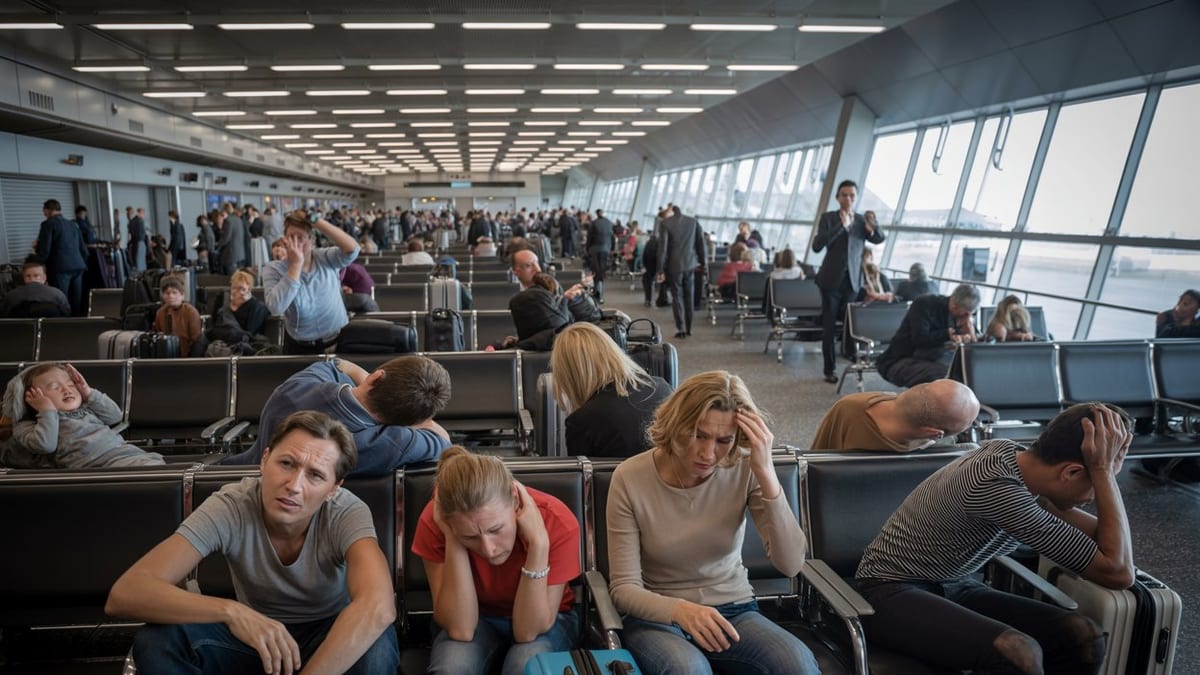
Disruption Deepens at Heathrow and UK Airports
Operational data and airport departure boards show British Airways among the most affected carriers in the UK, as widespread delays compound earlier schedule pressures at London Heathrow. Recent coverage of England’s air travel patterns indicates that Heathrow has already been operating under strain, with hundreds of delays recorded across London and regional airports in the past week. That fragile system is now facing renewed pressure as 25 cancellations and scores of late departures ripple through British Airways’ network.
Publicly available information points to Heathrow as a key choke point, with knock-on impacts at other British gateways. Manchester, Edinburgh and regional airports feeding into the London hub are seeing growing numbers of late-running services, forcing some passengers to miss onward connections to continental Europe and the Middle East. Travelers heading to and from cities like Vienna, Istanbul and Dubai on through‑tickets are particularly exposed when a single delay at Heathrow cascades across their itinerary.
Analysts of airline operations note that British Airways, like many network carriers, relies on tightly sequenced aircraft rotations. When a Heathrow arrival runs late, the outbound sector to European destinations such as Vienna or to long‑haul markets in the Gulf can be pushed back, affecting not only the original flight but also later services that depend on the same aircraft. This pattern appears to be visible again today, as incremental schedule slippage feeds into the total of 134 recorded delays.
Travel industry monitoring suggests that, while severe weather has eased since earlier spring storms, congestion, crew availability and lingering technical bottlenecks are keeping punctuality under pressure. Passengers at Heathrow report long queues at customer service desks and busy transfer zones as rebooking activity intensifies across the afternoon peak.
Pegasus Operations Strained at Sabiha Gökçen and Across Turkey
In Turkey, low‑cost carrier Pegasus is facing its own wave of disruption, centered on Istanbul’s Sabiha Gökçen International Airport. Recent aviation reports highlight Pegasus as one of the most delay‑affected airlines at this secondary Istanbul hub, with dozens of late departures and several cancellations already recorded across European and Middle Eastern routes in recent days. Today’s figures, adding to the total of 25 cancellations and 134 delays shared by both airlines, reinforce the picture of a stressed operation at Sabiha Gökçen.
Published coverage of Turkish aviation indicates that domestic connections between Istanbul, Ankara, Izmir and Antalya, as well as key leisure routes to Bodrum and Dalaman, are among those seeing late departures. Internationally, flights linking Sabiha Gökçen with European cities such as Vienna, Brussels and London, and Gulf destinations including Dubai and Kuwait, have also been affected in recent disruption cycles, leaving passengers facing extended waits in terminal areas.
Pegasus’ low‑cost model depends on fast aircraft turnarounds and dense scheduling. Industry observers note that in this kind of operation, even a relatively short delay early in the day can propagate through multiple rotations, magnifying the number of affected flights by evening. Recent experiences reported by passengers highlight how missed connections at Sabiha Gökçen can lead to overnight stays, additional visa requirements for some nationalities and difficulties retrieving checked baggage once a journey plan breaks down.
Air travel advisors in Turkey have been urging passengers to allow additional time at Sabiha Gökçen and to keep a close eye on departure screens and airline notifications. With several days of elevated disruption reported across the country’s main airports leading into today’s events, travelers are being warned to expect longer queues at security, check‑in and transfer points.
Vienna, Gulf Gateways and European Hubs Feel the Knock‑On Effects
The latest cancellations and delays are not confined to the carrier home bases. Vienna, Dubai and other hubs in Austria and the United Arab Emirates have reported rising numbers of late arrivals and departures linked to British Airways and Pegasus schedules, according to airport‑level data compiled by travel industry outlets. This has added to a broader pattern of disruption seen this week across Ireland, the UK, France, Turkey and Belgium, where dozens of cancellations and several hundred delays have already been logged.
In Vienna, British Airways and Pegasus services feed into a busy European network, where connection times can be tight. Reports from recent days show Vienna handling its own share of delayed flights arriving from London and Istanbul, placing pressure on turnaround times for onward services to Central and Eastern Europe. As aircraft arrive behind schedule, subsequent departures can be held while ground teams work to offload and reload passengers and baggage.
Across the Gulf, Dubai and other UAE airports are similarly exposed when inbound flights from European hubs arrive late. Earlier published tallies of Middle East flight performance show how even a limited number of cancellations can translate into hundreds of delays as aircraft and crews are repositioned. With Pegasus operating services into Gulf gateways and British Airways feeding long‑haul traffic through Heathrow, today’s disruption has the potential to reverberate through evening departure waves toward Asia and Africa.
This regional pattern underscores how modern airline networks turn local issues into cross‑border challenges within hours. A relatively small cluster of cancellations at Heathrow or Sabiha Gökçen can leave travelers in Austria or the UAE facing long waits, missed business meetings and disrupted holiday itineraries, even when local weather and airport conditions appear normal.
What Is Driving the Latest Wave of Cancellations and Delays
Publicly available analysis of European and Middle Eastern flight operations suggests several overlapping drivers behind the current disruption. Recent days have seen lingering weather‑related schedule adjustments in parts of Europe, combined with airspace congestion and infrastructure constraints that leave little spare capacity when things go wrong. Airlines including British Airways and Pegasus have also been operating close to peak seasonal utilization, with limited slack in aircraft and crew rosters.
Industry commentary on British Airways’ performance in early 2026 notes that the carrier’s overall disruption rate remains relatively modest compared with some regional peers, but that its reliance on Heathrow as a single dominant hub creates vulnerability. When runway or terminal capacity is stretched, the airline may cancel selected short‑haul flights to protect long‑haul operations, particularly on transatlantic and key business routes.
For Pegasus, operational data compiled by consumer rights platforms and aviation trackers suggests that delays are often linked to congested turnaround windows at Sabiha Gökçen and other busy Turkish airports. High utilization of aircraft fleets, combined with intense peak‑time demand on Fridays and weekends, can result in a domino effect where a technical check or late‑arriving inbound service pushes subsequent rotations outside their scheduled slots.
Across both airlines, the cumulative impact of these structural challenges is now being felt by passengers. The 25 cancellations and 134 delays reported today represent only a fraction of total daily operations, but their distribution across connecting flights in the UK, Turkey, Austria, the UAE and beyond means that a relatively small statistical disruption is translating into a highly visible travel headache.
Guidance for Affected Passengers and Wider Travel Outlook
Travel organizations and passenger advocates are advising those booked on British Airways or Pegasus to check their flight status frequently on day of departure, even if they are traveling from airports that appear less affected. Recent disruption patterns show that secondary airports can experience sudden schedule changes when airlines attempt to rebalance aircraft and crew after problems at major hubs.
Consumer information resources recommend that passengers keep boarding passes, booking confirmations and any receipts for accommodation, meals or alternative transport incurred during delays. Under European and UK air passenger regulations, travelers on flights departing from the UK or European Union, or operated by EU and UK carriers, may be entitled to care, rebooking and in some cases financial compensation when significant delays or cancellations occur for reasons within the airline’s control.
For those connecting through hubs such as Heathrow, Sabiha Gökçen, Vienna or Dubai, experts suggest building in extra time between flights where possible, particularly during periods of heightened disruption. Allowing a wider connection window, opting for through‑tickets on a single booking and ensuring that contact details are up to date with the airline can all help mitigate the impact of last‑minute schedule changes.
Looking ahead, aviation analysts expect intermittent disruption to continue through the spring as airlines juggle strong demand with infrastructure and staffing constraints. While today’s tally of 25 cancellations and 134 delays is not unprecedented, it highlights how even modest operational stress can strand passengers across multiple continents when it affects key hubs for carriers such as British Airways and Pegasus.